By combining the analysis of biotic and abiotic components of terrestrial ecosystems, this book synthesizes material on arid and semiarid landscapes, which was previously scattered among various books and journal articles.
This is a comprehensive work summarizing the current state of knowledge of the biology of the hard ticks (Acari: Ixodidae) of Southern Africa (South Africa, Namibia, Botswana, Swaziland, Lesotho and Maputo Province, Mozambique).
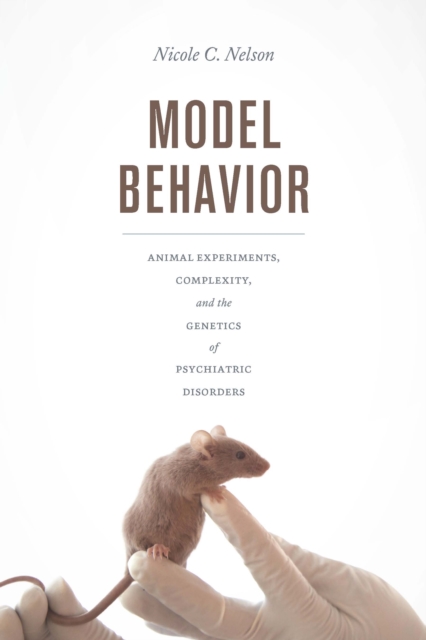
Mice are used as model organisms across a wide range of fields in science today-but it is far from obvious how studying a mouse in a maze can help us understand human problems like alcoholism or anxiety.
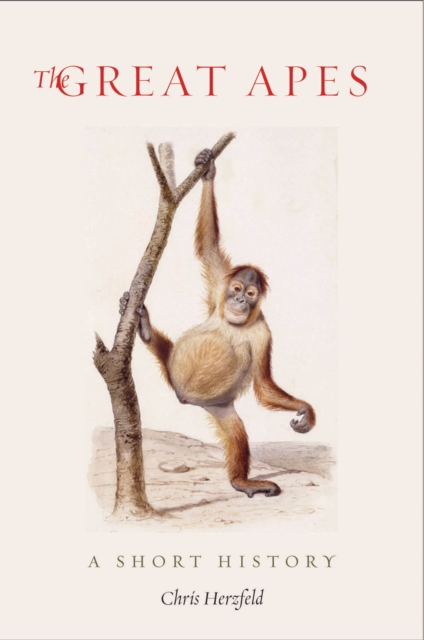
A unique, beautifully illustrated exploration of our fascination with our closest primate relatives, and the development of primatology as a disciplineThis insightful work is a compact but wide-ranging survey of humankind's relationship to the great apes (chimpanzees, bonobos, gorillas, orangutans), from antiquity to the present.
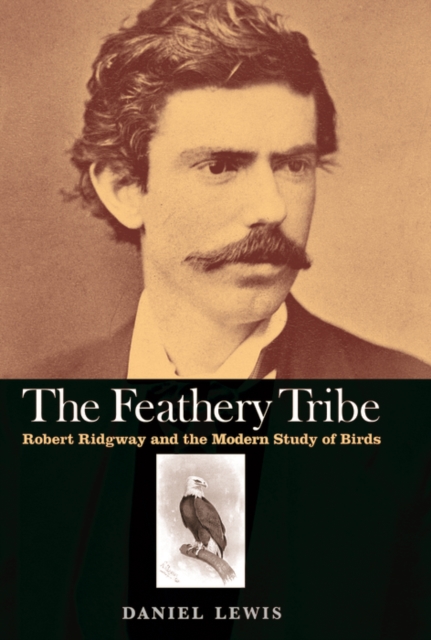
Amateurs and professionals studying birds at the end of the nineteenth century were a contentious, passionate group with goals that intersected, collided and occasionally merged in their writings and organizations.
This book presents the latest developments and recent research trends in the field of plankton, highlighting the potential ecological and biotechnological applications.
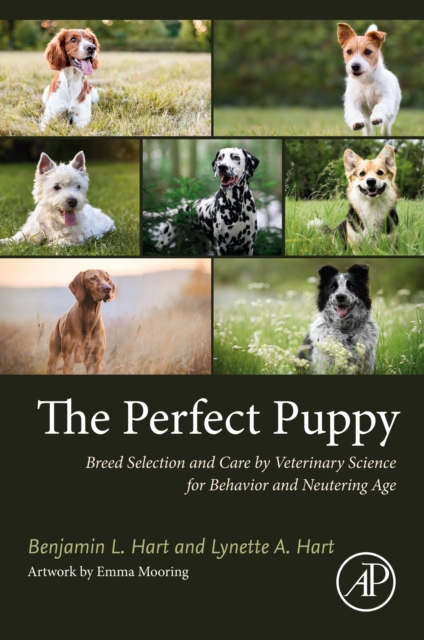
The Perfect Puppy: Breed Selection and Care by Veterinary Science for Behavior and Neutering Age provides the most updated and expert knowledge on dog breeds to guide the selection of a puppy or mature dog.
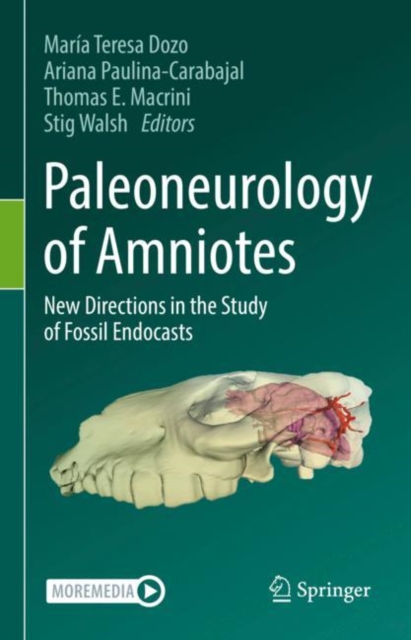
This book presents a detailed examination of the current state of knowledge in the field of paleoneurology in the main amniote groups (reptiles, birds and mammals), and advances resulting from new non-invasive technologies.
This unique volume gives insight into the science of slaughter with in-depth discussion of neural communication and the welfare aspects of pre-slaughter handling and slaughter of livestock.
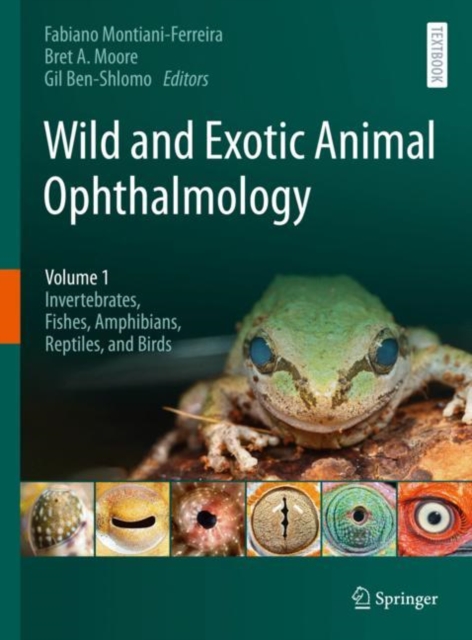
This Volume 1 of a two-volume work is the first textbook to offer a practical yet comprehensive approach to clinical ophthalmology in wild and exotic invertebrates, fishes, amphibia, reptiles, and birds.
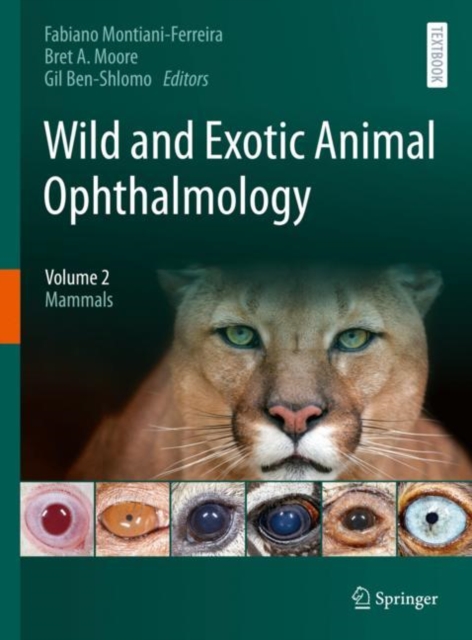
This Volume 2 of a two-volume work is the first textbook to offer a practical yet comprehensive approach to clinical ophthalmology in wild and exotic mammals.
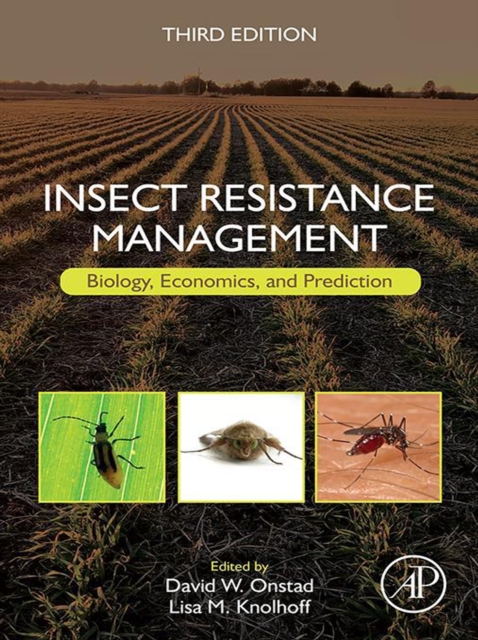
The third edition of Insect Resistance Management: Biology, Economics, and Prediction expands coverage by including three new chapters on African agriculture, genetic control of pests, and fitness costs of resistance.
Epigenetic modifications comprise heritable gene expression changes that occur without alteration of the DNA sequence and 'co-act' with genetic factors to shape development processes and evolutionary trajectories.
This book aims to synthesize the state of the art on biodiversity knowledge exchange practices to understand where and how improvements can be made to close the knowledge-implementation gap in conservation science and advance this interdisciplinary topic.
Class insecta is numerically the largest class of the largest phylum outnumbering the total number of all the other known species of the rest of the animal kingdom.
An exciting look at the essential roles that parasites play in Earth's ecosystemsThis book looks at the weird and wonderful world of parasites, the most abundant form of life on Earth.
As sequel to Aquatic Animal Nutrition - A Mechanistic Perspective from Individuals to Generations, the present treatise on organic macro- and micronutrients continues the unique cross fertilization of aquatic ecology/ecophysiology and aquaculture.
The seventh volume in the series "e;Ethology and Behavioral Ecology of Marine Mammals"e; describes aspects of the often-complex relationship between humans and marine mammals.
This atlas offers stunning color electron scanning micrographs and exceptional light microscopy pictures of capillaries, vessels and diverse histomorphological tissues and organs of Xenopus laevis.
The most comprehensive and up-to-date general reference book on honey bee biologyHoney bees are marvelously charismatic organisms with a long history of interaction with humans.
This book presents comprehensive information on various aspects of ecology with special reference to insects, to form a platform to design an ecologically sound insect pest management.
Channels and transporters are multi-functional proteins that mediate substrate transport and signal transmission and simultaneously act as regulators for other proteins and biosensors for environmental materials.
This detailed second edition presents a wide variety of marine invertebrate model systems, from cephalochordata to holothurians, along with novel experimental protocols for taking advantage of their unique properties.
This book presents the discoveries made during nearly three decades of research on the parental shield bug, Parastrachia japonensis inhabiting Kyushu Island, Japan.
The study of the chimpanzee, one of the human species' closest relatives, has led scientists to exciting discoveries about evolution, behavior, and cognition over the past half century.
The field of primatology has expanded substantially in the last twenty years, particularly with regard to studies of primates in human-altered landscapes.
This volume compiles state-of-the-art scientific knowledge on the technologies that are used to quantify and reduce the environmental impact of livestock production in the cattle, pig and poultry industries.
This volume provides a compilation of methods that will aid researchers studying virology, immunology, and vaccinology of this devastating disease of swine.
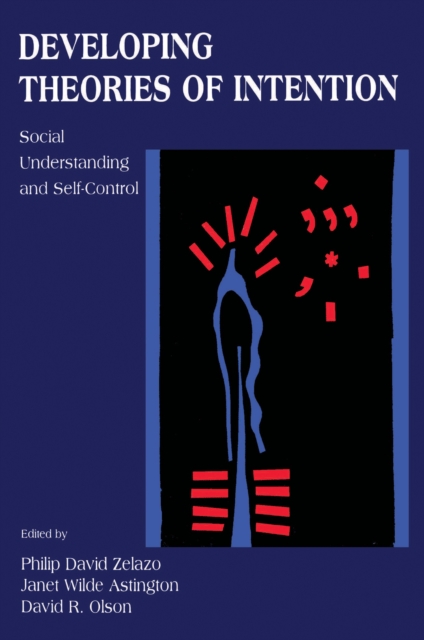
The chapters collected in this volume represent the "e;state-of-the-art"e; of research on the development of intentional action and intentional understanding--topics that are at the intersection of current research on imitation, early understanding of mental states, goal-directed behavior in nonhuman animals, executive function, language acquisition, and narrative understanding, to name just a few of the relevant foci.