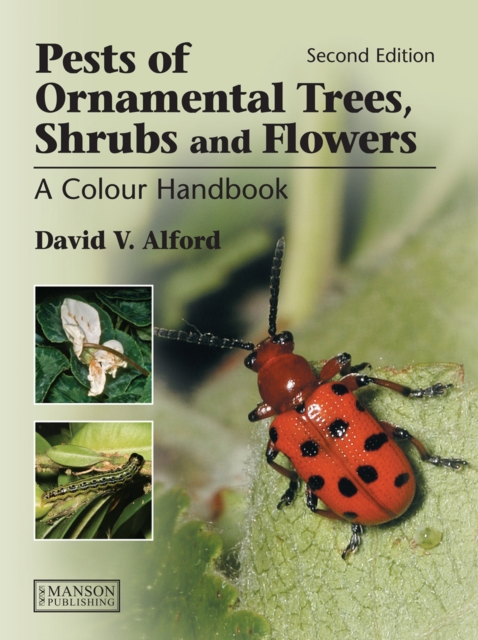
Ornamental trees, shrubs and flowers have always been extremely popular and there is large demand-whether in gardens or parks-for alpines, bedding plants, cacti, cut flowers, house plants and pot plants, as well as herbaceous plants, ornamental grasses, shrubs and trees.
Learn the science and business of dog training from the BESTThe Association of Professional Dog Trainers, APDT, is the largest group of professional dog trainers in the world.
Dog trainers continue to learn from the BESTWhen the first volume of The Dog Trainer s Resource was published in 2007, it became a resounding success among professional dog trainers and behaviorists.
Nanobiotechnology Applications in Plant Protection: Volume 2 continues the important and timely discussion of nanotechnology applications in plant protection and pathology, filling a gap in the literature for nano applications in crop protection.
This book addresses, reviews and evaluates key themes in organic aquaculture and is set out to show how these relate to the challenges and bottlenecks for a responsible organic aquaculture production in Europe.
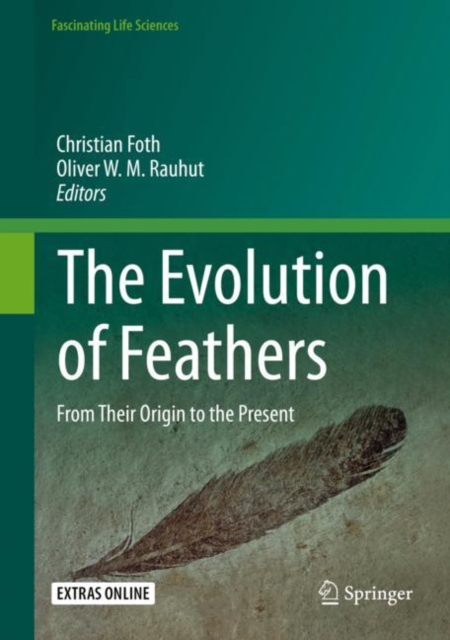
Feathers are one of the most unique characteristics of modern birds and represent the most complex and colourful type of skin derivate within vertebrates, while also fulfilling various biological roles, including flight, thermal insulation, display, and sensory function.
This book provides a comprehensive overview of the patterns of biodiversity in various neotropical ecosystems, as well as a discussion on their historical biogeographies and underlying diversification processes.
This book gathers papers presented at the annual meetings of the Acarological Society of America (ASA), jointly organized with the Entomological Society of America.
This book addresses how skeletons can inform us about behavior by describing skeletal lesions in the Gombe chimpanzees, relating them to known life histories whenever possible, and analyzing demographic patterns in the sample.
About 15 years ago, we asked ourselves why the methods developed by the research institutions for the management of pests were almost not used by small landholder farmers.
This book presents the facet theoretical framework as a tool for facilitating the conception of complex animal behaviour research and the design of research procedures through employing mapping sentences.
The indiscriminate use of chemical substances in industrial processes and anthropogenic activities, have resulted in the release of these compounds into aquatic ecosystems through municipal, hospital and industrial discharges, producing various undesired effects on the environment and on species of ecological interest.
This book provides comparative data on fish ecology and small-scale fisheries between Tapajos (clear water) and Negro (black water) rivers, in the Brazilian Amazon.
By providing multiple economic goods and ecosystem services, Latin American forests play a key role in the environmental, social and economic welfare of the region's countries.
This book identifies all valid species belonging to the superfamily Mactroidea living in American waters, distributed across fourteen biogeographical provinces.
This SpringerBrief answers the question on how birds recognize their predators using multidisciplinary approaches and outlines paths of the future research of predator recognition.
This richly-illustrated handbook covers all aspects of modern feline dermatology, from the approach to different signs and symptoms to the description of the etiology, pathogenesis, clinical manifestation, diagnosis and current treatment of each feline dermatological disease.
This book reviews the latest research on bioproducts from various economically important insects, such as silkworms, honey bees, lac and drosophila, and termites, and discusses their general, biomedical and industrial applications in detail.
In a world where habitats are constantly changing and the impact of anthropization on the environment is increasingly intense, interactions between human and wildlife are becoming more and more complex.
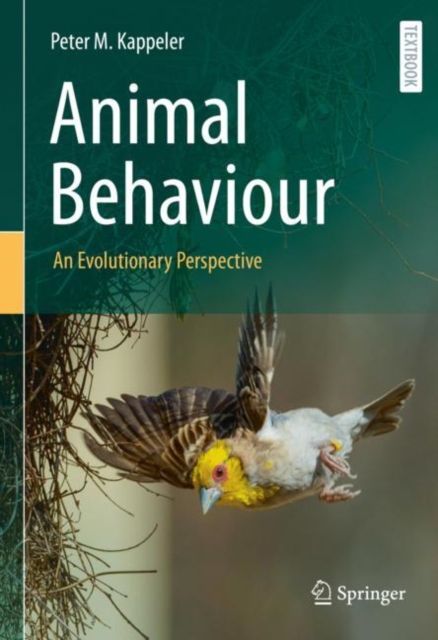
This book covers central aspects of behavioral ecology, including sexual selection, social and genetic mating systems, cooperative breeding, brood parasitism, brood reduction, migration, personalities and communication.
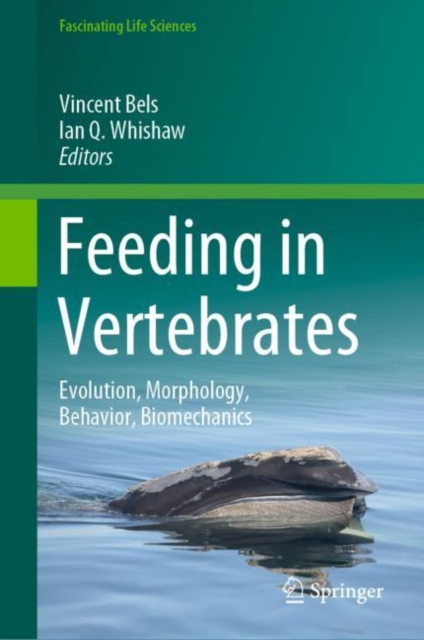
This book provides students and researchers with reviews of biological questions related to the evolution of feeding by vertebrates in aquatic and terrestrial environments.
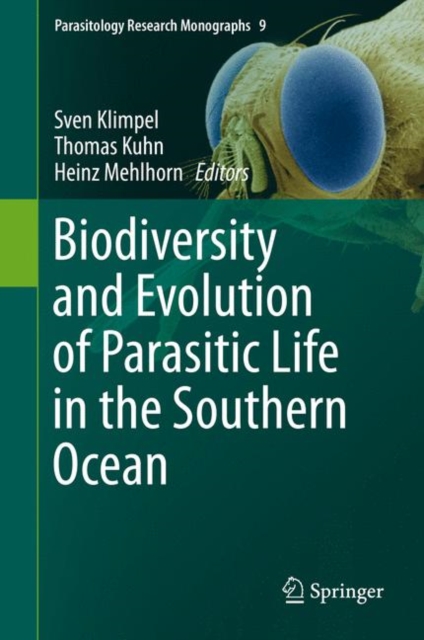
The Southern Oceans including Antarctic regions are peculiar and very sensitive water biotopes, where animal life and species interrelations are only poorly investigated.
Drosophila suzukii (Matsumura) (Diptera: Drosophilidae), the spotted wing drosophila (SWD), is the most important pest affecting berry crop production worldwide.
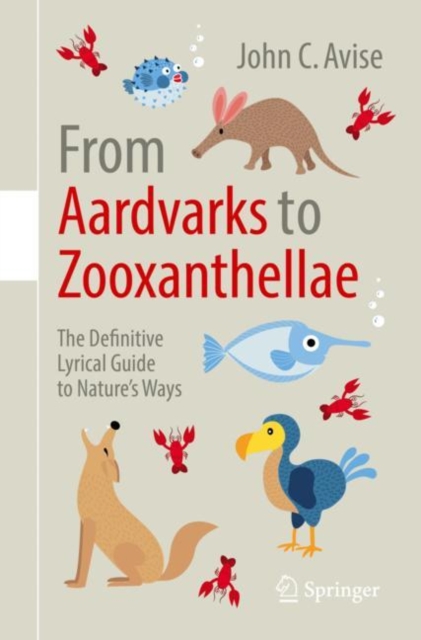
Hundreds of animal species provide the cast of characters for these newly composed bio-limericks, arranged into 17 chapters by taxonomic group (such as Birds, Fishes, Insects) or biological subject (such as Ecology, Genetics, and Anthropology).