This book presents the whole picture of the ecological and evolutionary study on the ground beetle group, the subgenus Ohomopterus of the genus Carabus, endemic to Japan.
This book offers an introduction to aquaculture sciences and fisheries, discussing the concepts and basic characteristics of fisheries, fishery resources and the related industries, as well as the status of fisheries in various countries around the globe.
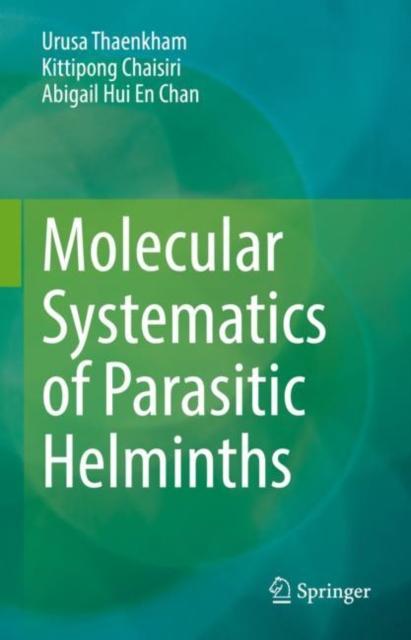
This book aims to provide fundamental knowledge and information for research in molecular systematics on parasitic helminths (nematode, trematode, cestode).
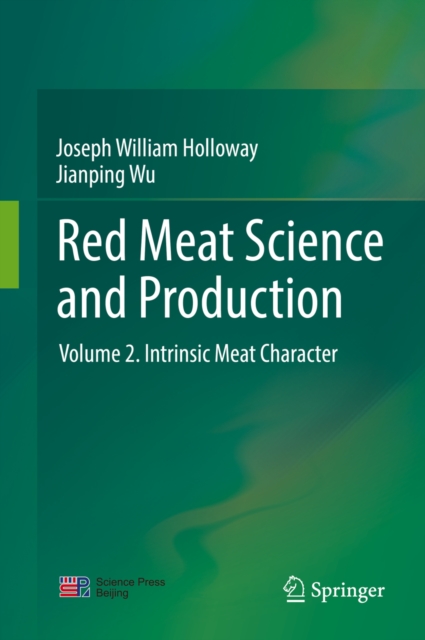
This book comprehensively describes the biological underpinnings of red meat production, discussing the current state of the science in the context of the provision of red meat products perceived by consumers to offer a quality eating experience.
Phytoplasma-associated diseases are a major limiting factor in the context of the quality and productivity of many ornamental, horticultural and other economically important agricultural crops worldwide.
This book comprehensively describes the biological underpinnings of red meat production, discussing the current state of the science in the context of the provision of red meat products perceived by consumers to offer a quality eating experience.
Cryopreservation and Freeze-Drying Protocols: Second Edition is a compilation of robust, reproducible techniques for the conservation of a wide range of biological materials.
Grown exponentially by the genomic revolution, the use of the rat as a model of choice for physiological studies continues in popularity and at a much greater depth of understanding.
The avian influenza (AI) virus, which is the type A influenza virus adapted to an avian host, has been an important pathogen for the poultry industry worldwide for many years.
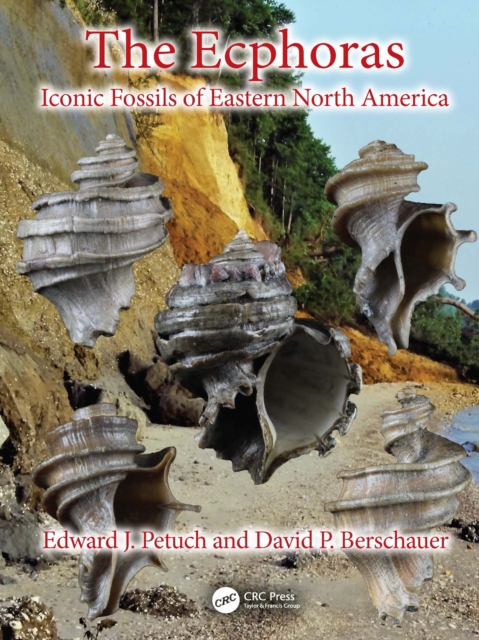
In the Miocene and Pliocene fossil shell beds of the eastern United States, the single most spectacular molluscan species radiation is seen in the ecphora shells (the Tribe Ecphorini).
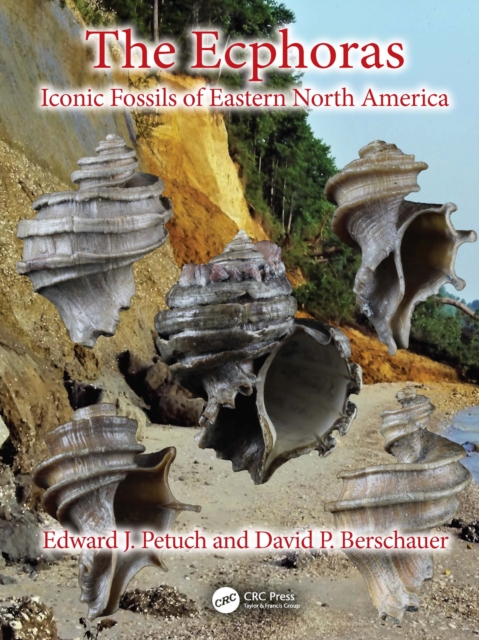
In the Miocene and Pliocene fossil shell beds of the eastern United States, the single most spectacular molluscan species radiation is seen in the ecphora shells (the Tribe Ecphorini).
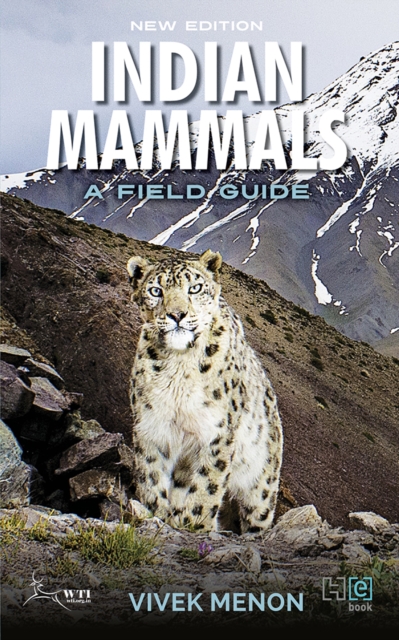
A fully updated edition of the bestselling guide to the mammals of IndiaCovering the rich diversity of mammal species in India, from tigers, elephants, rhinoceros and whales to primates, rodents and bats, Indian Mammals is field-ready, illustrated and comprehensive in approach.
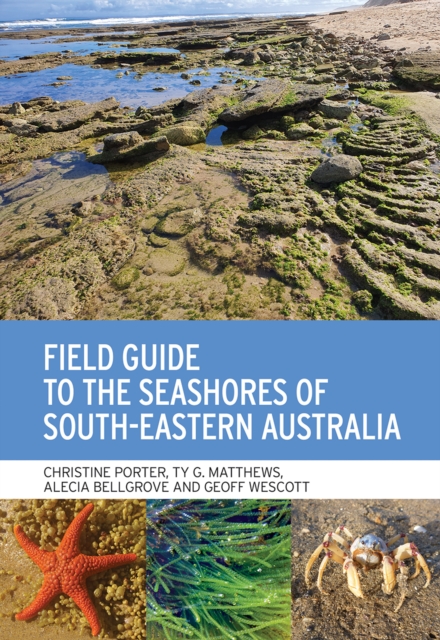
The types of plants and animals that live on seashores in temperate regions are similar around the globe, but many of the individual species in south-eastern Australia are found only in this region.
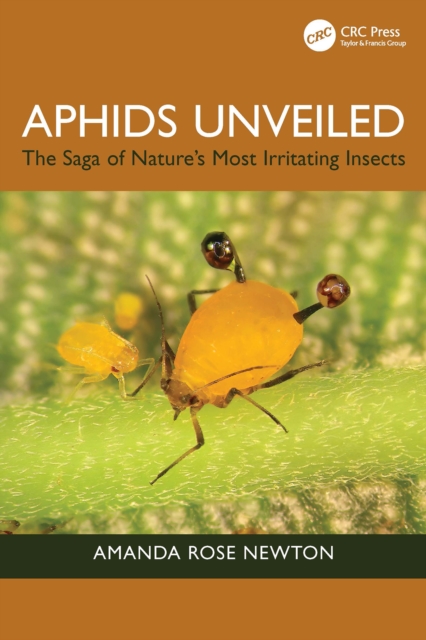
Aphids Unveiled: The Saga of Nature's Most Irritating Insects explores the curious journey of these tiny insects from humble beginnings to becoming the most obnoxious pests for farmers and home gardeners alike.
Essential Oils: Extraction, Characterization and Applications covers sixteen essential oils from different herbal and aromatic plants, including production, composition and extraction techniques such as distillation, chemistry and properties, characterization and applications.
Coastal Habitat Conservation: New Perspectives and Sustainable Development of Biodiversity in the Anthropocene offers the latest research and approaches to biodiversity conservation in coastal areas.
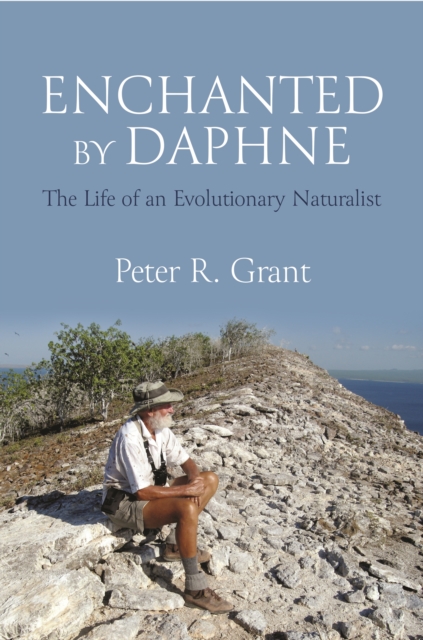
The extraordinary life story of the celebrated naturalist who transformed our understanding of evolutionEnchanted by Daphne is legendary ecologist Peter Grant's personal account of his remarkable life and career.
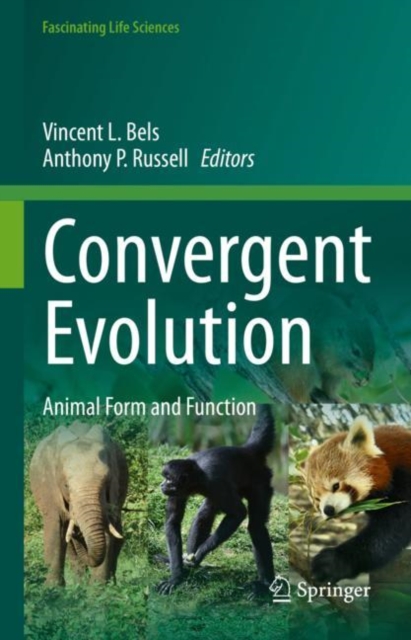
This volume presents a series of case studies, at different levels of inclusivity, of how organisms exhibit functional convergence as a key evolutionary mechanism resulting in responses to similar environmental constraints in mechanically similar ways.
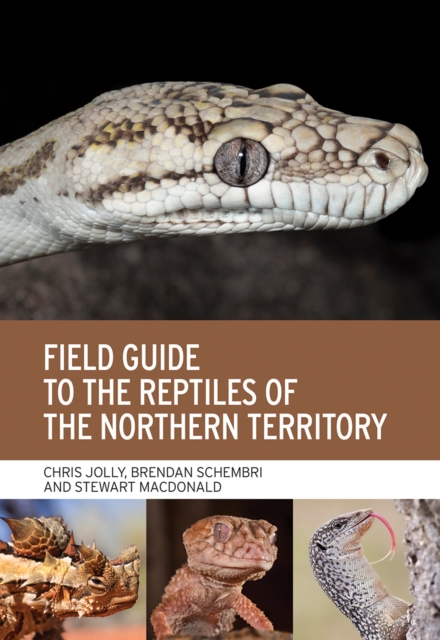
A land of extremes, the Northern Territory's arid deserts and monsoonal forests harbour some of Australia's smallest and the world's largest reptiles, as well as some of the world's most venomous snakes.
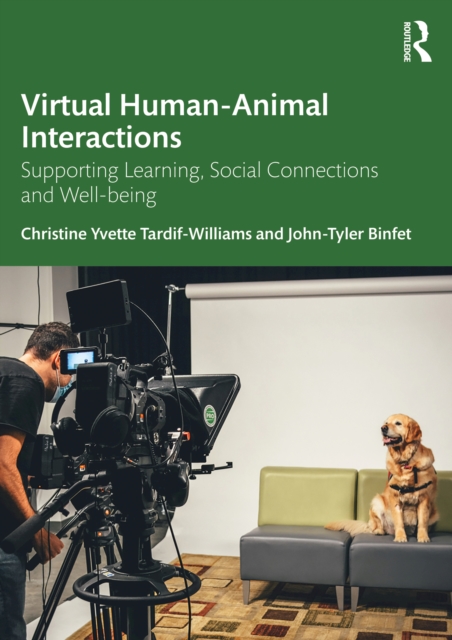
Interest in the field of human-animal interactions is burgeoning, and researchers and educators are keen to understand the science undergirding research that helps us understand interactions between people and animals.
Coral reefs, which are one of the most productive and biodiverse ecosystems on Earth, serve various important roles, such as providing shelter and spawning grounds to a wide range of marine animals.
Xenolinguistics brings together biologists, anthropologists, linguists, and other experts specializing in language and communication to explore what non-human, non-Earthbound language might look like.