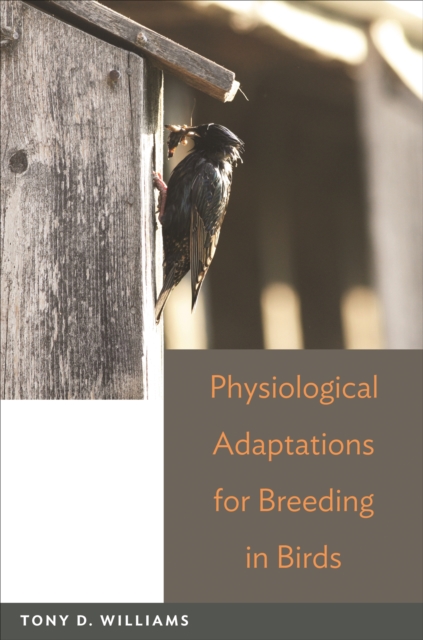
In this book, an international team of leading marine mammal scientists, with a remarkably diverse set of backgrounds and areas of expertise, lead you through a synthesis of current knowledge on baleen whales.
This volume provides comprehensive overviews of each terrestrial cetartiodactyl species' biology including palaeontology, physiology, genetics, reproduction and development, ecology, habitat and diet.
This book explores the current trends and challenges of sustainable goat meat and milk production in different global contexts, providing valuable insights into this industry in adverse environments like mountain, semiarid and arid regions.
Braconidae of the Middle East (Hymenoptera): Taxonomy, Distribution, Biology, and Biocontrol Benefits of Parasitoid Wasps provides the latest and most comprehensive knowledge of parasitoid wasp species.
Insect Ecology: An Ecosystem Approach, Fifth Edition provides the most updated and comprehensive knowledge of the diversity of insect responses to environmental changes and their effects on ecosystem properties and services.
This book covers more than 40 indigenous goat breeds and several ecotypes around the globe and describes genotypic and phenotype traits related to species adaptation to harsh environments and climate change.
Within the last few decades, arachnology in the Neotropical region has experienced a great development filling the knowledge gap in one of the most diverse regions of the world.
This volume presents a selection of some of the most exciting new perspectives on moral development that have emerged over the last decade and have transformed our understanding of the field.
This book is the first digital atlas of the degu brain with microscopic features simultaneously in Nissl sections and magnetic resonance imaging (MRI).
This book provides accurate, comprehensive, and convenient reference for usages of the "e;freely rotatable three dimensional combined Nissl-stained and MRI digital data of the marmoset brain"e;.
Population genomics is revolutionizing wildlife biology, conservation, and management by providing key and novel insights into genetic, population and landscape-level processes in wildlife, with unprecedented power and accuracy.
Das Buch gibt einen umfassenden und prägnanten Überblick über die grundsätzlichen Mechanismen der Tumorentstehung, diskutiert die relevantesten Tumoren der Haustiere im Detail und adressiert die Herangehensweise an die Tumordiagnose und -therapie.
This updated monograph deals with methanogenic endosymbionts of anaerobic protists, in particular ciliates and termite flagellates, and with methanogens in the gastrointestinal tracts of vertebrates and arthropods.
A number of species of Thysanoptera (thrips) are increasingly important crop pests in many parts of the world, as well as in some cases being vectors of plant disease.
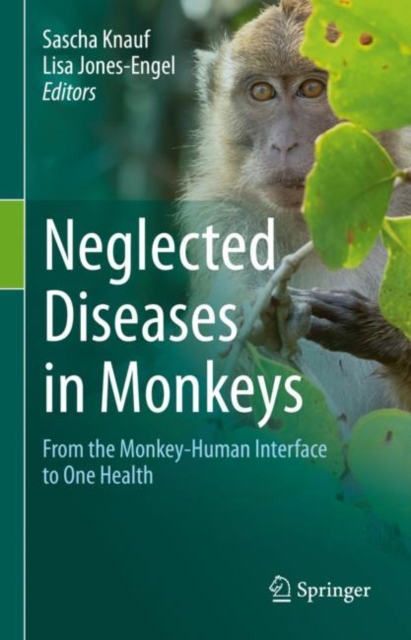
This book offers a valuable resource, reviewing the current state of knowledge concerning the pathology and epidemiology of infectious diseases in both captive and wild monkeys.
This book embeds a novel evolutionary analysis of human group selection within a comprehensive overview of multilevel selection theory, a theory wherein evolution proceeds at the level of individual organisms and collectives, such as human families, tribes, states, and empires.
The population of the Persian leopard (Panthera pardus saxicolor) has drastically declined; this Asian leopard subspecies has disappeared from some parts of its former range.
The Atlas of Diagnostic Pathology in Nonhuman Primates offers the first extensively illustrated collection of classic lesions in nonhuman primate diseases and pathological conditions, compiled by an international team of expert contributors.
Integrated Population Models: Theory and Ecological Applications with R and JAGS is the first book on integrated population models, which constitute a powerful framework for combining multiple data sets from the population and the individual levels to estimate demographic parameters, and population size and trends.
Conservation Physiology for the Anthropocene - A Systems Approach, Volume 39B in the Fish Physiology series, is a comprehensive synthesis related to the physiology of fish in the Anthropocene.
The Role of Animals in Emerging Viral Diseases presents what is currently known about the role of animals in the emergence or re-emergence of viruses including HIV-AIDS, SARS, Ebola, avian flu, swine flu, and rabies.
From eminent biologists like Alfred Russel Wallace and Charles Darwin to famous authors such as Rudyard Kipling in his Just So Stories, many people have asked, "e;Why do zebras have stripes?
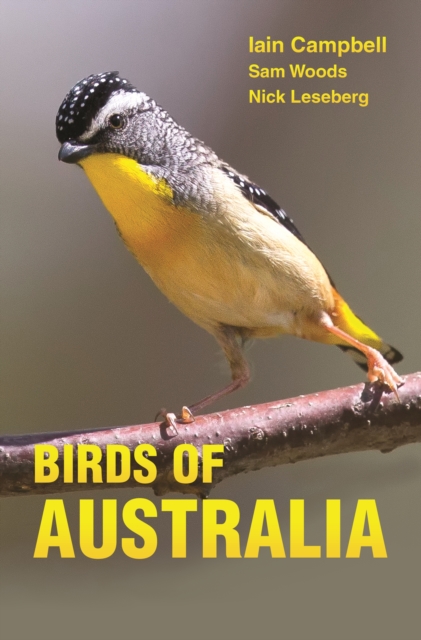
The best photographic field guide to Australia's birdsAustralia is home to a spectacular diversity of birdlife, from parrots and penguins to emus and vibrant passerines.
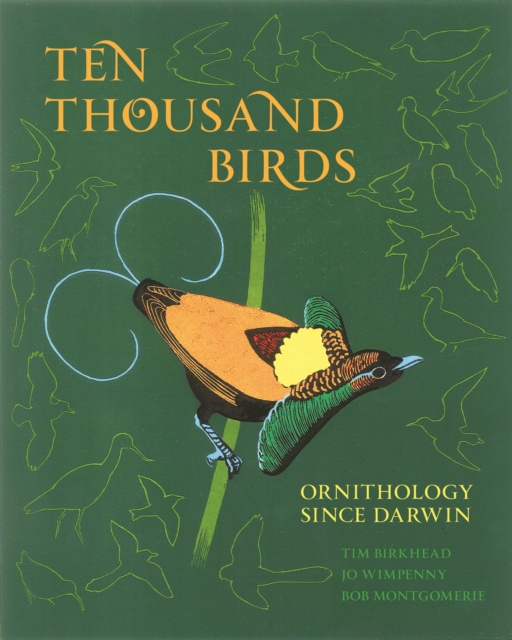
Ten Thousand Birds provides a thoroughly engaging and authoritative history of modern ornithology, tracing how the study of birds has been shaped by a succession of visionary and often-controversial personalities, and by the unique social and scientific contexts in which these extraordinary individuals worked.
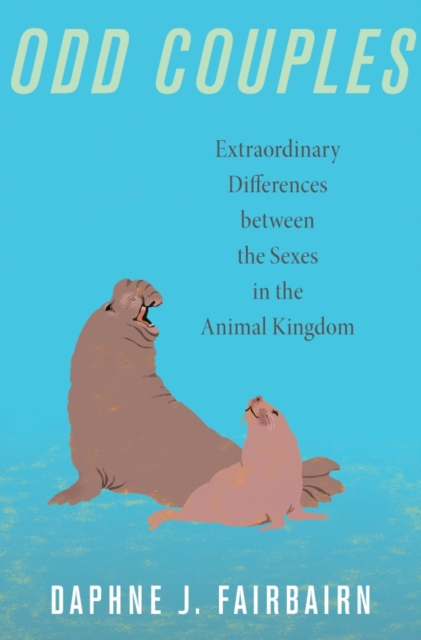
The remarkable and unique ways that male and female animals play out gender roles in natureWhile we joke that men are from Mars and women are from Venus, our gender differences can't compare to those of many other animals.
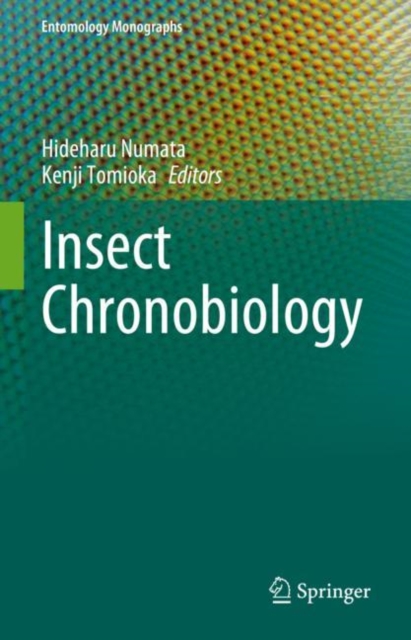
This book reviews the physiological mechanisms of diverse insect clocks, including circadian clock, lunar clock, tidal clock, photoperiodism, circannual rhythms and others.
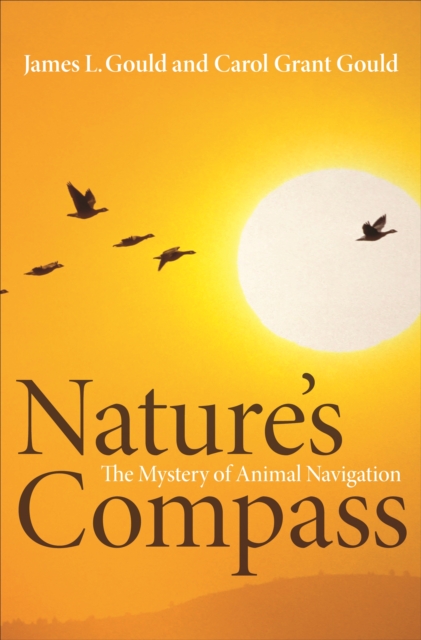
The mysterious and remarkable ways that animals navigateWe know that animals cross miles of water, land, and sky with pinpoint precision on a daily basis.