Adopting a multidisciplinary approach with input from physicists, researchers and medical professionals, this is the first book to introduce many different technical approaches for the visualization of microcirculation, including laser Doppler and laser speckle, optical coherence tomography and photo-acoustic tomography.
Discover the astonishing truth about our aquatic cousins: how they think and what they know, their experiences and unique behaviours, and the many things we have in common.
Dieser Buchtitel ist Teil des Digitalisierungsprojekts Springer Book Archives mit Publikationen, die seit den Anfängen des Verlags von 1842 erschienen sind.
This book is an outcome of the keynote/lead papers presented by the experts from different disciplines in the Indian Ecological Society International Conference 2016 on "e;Natural Resource Management: Ecological Perspectives"e;, organized at the Sher-e-Kashmir University of Agricultural Sciences and Technology of Jammu, India.
This updated monograph deals with methanogenic endosymbionts of anaerobic protists, in particular ciliates and termite flagellates, and with methanogens in the gastrointestinal tracts of vertebrates and arthropods.
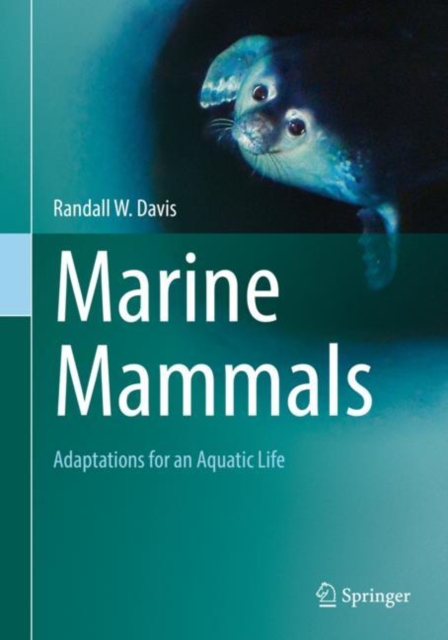
This comprehensive book provides new insights into the morphological, metabolic, thermoregulatory, locomotory, diving, sensory, feeding, and sleep adaptations of Cetacea (whales and dolphins), Pinnipedia (seals, sea lions and walrus), Sirenia (manatees and dugongs) and sea otters for an aquatic life.
Offering extensive information on tardigrades, this volume begins with a chapter on the history of tardigrades, from the first description by Goeze in 1773, until 1929, when the most comprehensive monographic approach by E.
This work brings together a wealth of data regarding the reference values and factors of variation in biochemical parameters used by camel veterinarians and scientists to determine these animals' nutritional and clinical status.
Ticks of the family Ixodidae, commonly known as hard ticks, occur worldwide and are second only to mosquitoes as vectors of agents pathogenic to humans.
This volume focuses on the reconstruction of past ecosystems and provides a comprehensive review of current techniques and their application in exemplar studies.
This book focuses on explaining the distribution of sexual systems (simultaneous hermaphroditism, sequential hermaphroditism, environmental sex determination,dioecy, androdioecy, etc.
The vertebrate head is the most complex part of the animal body and its diversity in nature reflects a variety of life styles, feeding modes, and ecological adaptations.
Losses of forests and their insect inhabitants are a major global conservation concern, spanning tropical and temperate forest regions throughout the world.
Clear and concise, this easy-to-use book offers an introductory course on the language of gene cloning, covering microbial, plant, and mammalian systems.
The stingless bees are the most diverse group of highly social bees and are key species in our planet's tropical and subtropical regions, where they thrive.
Immunologists, perhaps understandably, most often concentrate on the human immune system, an anthropocentric focus that has resulted in a dearth of information about the immune function of all other species within the animal kingdom.
Rather than a loosely connected list of facts/topics, this book addresses virtually every field that involves the use of developing animals in environmental science.
This book is devoted to the rapidly growing area of science dealing with structure and properties of biological surfaces in their relation to particular functions.
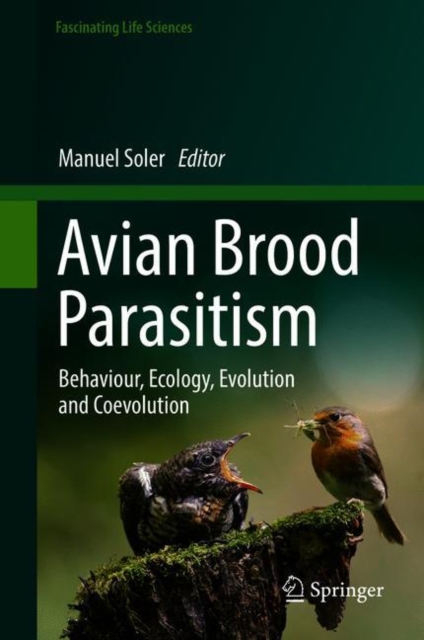
Brood parasitism has become one of the most flourishing areas of research in evolutionary ecology and one of the best model systems for investigating coevolution.
This book explores the current trends and challenges of sustainable goat meat and milk production in different global contexts, providing valuable insights into this industry in adverse environments like mountain, semiarid and arid regions.
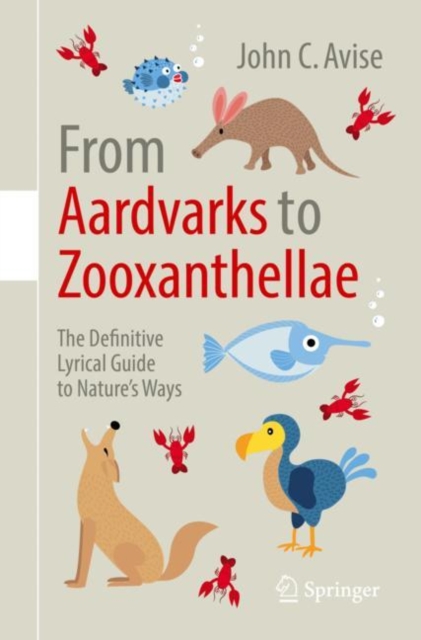
Hundreds of animal species provide the cast of characters for these newly composed bio-limericks, arranged into 17 chapters by taxonomic group (such as Birds, Fishes, Insects) or biological subject (such as Ecology, Genetics, and Anthropology).
This book covers more than 40 indigenous goat breeds and several ecotypes around the globe and describes genotypic and phenotype traits related to species adaptation to harsh environments and climate change.
This is a comprehensive work summarizing the current state of knowledge of the biology of the hard ticks (Acari: Ixodidae) of Southern Africa (South Africa, Namibia, Botswana, Swaziland, Lesotho and Maputo Province, Mozambique).
This book consists of a diverse collection of chapters that seeks to broaden our fundamental understanding of the ecological function and biological importance of the Earth's lower atmosphere, which provides a huge living space for billions of animals moving within and across continents.
This book provides in-depth information on Caatinga's geographical boundaries and ecological systems, including plants, insects, fishes, amphibians, reptiles, birds, and mammals.
Within the last few decades, arachnology in the Neotropical region has experienced a great development filling the knowledge gap in one of the most diverse regions of the world.
This book features Louis Agassiz's seminal lecture course in which the Swiss-American scientist, a self-styled "e;American Humboldt,"e; summarized the state of zoological knowledge in his time.