This book sheds new light on the transformative role of biotechnology in health science, offering a detailed examination of recent discoveries in transcriptomics, diagnostics, and therapeutics.
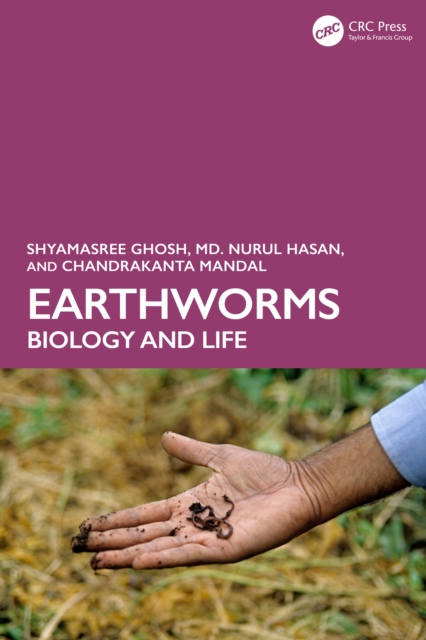
Earthworms: Biology and Life is a scientifically rich and comprehensive exploration of earthworm biology, diversity, and ecological significance, with a particular emphasis on the Indian subcontinent and its global context.
This book discusses future biotechnological strategies for plant species conservation and further modification to improve yield and quality characteristics.
This book discusses regional climate variability and change, with a focus on the La Plata Basin (LBP) region, and its applications for societal benefits.
This book discusses regional climate variability and change, with a focus on the La Plata Basin (LBP) region, and its applications for societal benefits.
This new volume focuses on the bioimaging of Parkinson’s, Alzheimer’s, and the epilepsies, presenting the latest in the technologies that diagnose and treat the person who has the disease, enabling personalized medicine.
This book highlights the main challenges of utilizing microalgae biotechnology with chemical absorption technologies as a combined technique for applications in biofixation of carbon dioxide (CO2) and feedstock production for biofuels and other bioproducts.
This book offers a forward-looking perspective on the convergence of artificial intelligence (AI) and biotechnology, and its transformative impact on synthetic biology.
This book explores the intersection of biosciences, artificial intelligence (AI), and information technology (IT), highlighting their potential to drive innovation in biomedicine and health, particularly in the context of pandemic resiliency and human longevity.
This comprehensive volume offers an in-depth exploration of the latest advancements in omics technologies and their practical applications across environmental science, agriculture, healthcare, and biotechnology.
The book discusses the definition of negative and cognitive symptoms and offers a comprehensive and up-to-date overview of their impact on patients' real-life functioning and quality of life.
This comprehensive volume offers an in-depth exploration of the latest advancements in omics technologies and their practical applications across environmental science, agriculture, healthcare, and biotechnology.
The book “Bionanocomposites from Marine Origin: Preparation and Application” can magnificently create a significant connection between the spheres of marine nanoscience, material science, biotechnology, nanotechnology, and biomimetic for discovering the tiny revolutionary materials of our ocean ecosystem to expose the enormous prospective related to it.
This book offers the first comprehensive academic treatment of death-feigning behavior, a widespread yet understudied anti-predator strategy observed across the animal kingdom.
This book explores the intersection of biosciences, artificial intelligence (AI), and information technology (IT), highlighting their potential to drive innovation in biomedicine and health, particularly in the context of pandemic resiliency and human longevity.
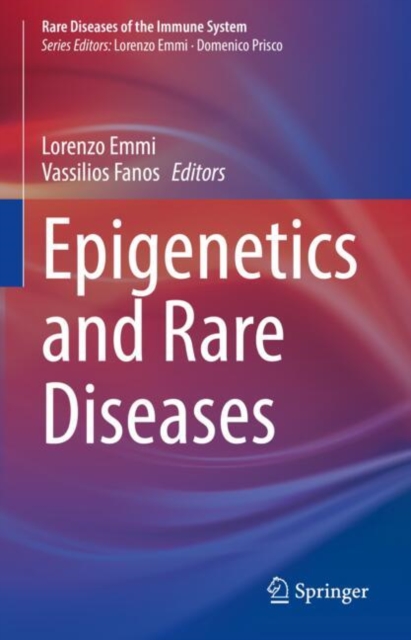
This book explores the intricate world of epigenetics and its pivotal role in precision medicine and the identification of epigenetic biomarkers for patient stratification, highlighting the importance of non-coding RNAs (ncRNAs), DNA methylation and histone modifications.
This book addresses the need to develop future crops that are highly resilient and adaptable to fluctuating environmental conditions, in order to sustain global food security in the years ahead.
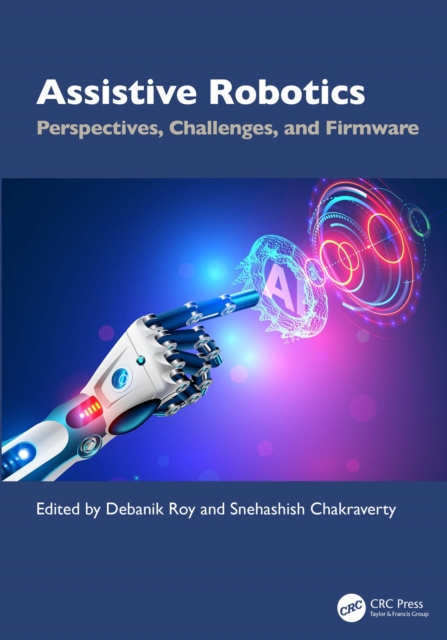
This book brings out analytical paradigms and research outcomes of novel assistive robots that are deployed in healthcare or surveillance and indoor service or agricultural activity.
This book aims to overcome the still prevailing schizophrenic divisions among sciences, humanities, the arts, and multiple forms of ecological knowledge.
This book aims to overcome the still prevailing schizophrenic divisions among sciences, humanities, the arts, and multiple forms of ecological knowledge.
This second edition volume expands on the previous edition with new chapters discussing the latest protocols that encompass the detection, characterization, and genomic analysis of Cryptosporidium.
This second edition volume expands on the previous edition with new chapters discussing the latest protocols that encompass the detection, characterization, and genomic analysis of Cryptosporidium.
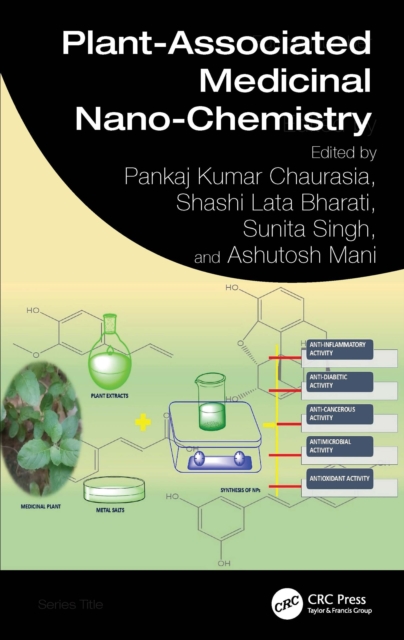
Plant-Associated Medicinal Nano-Chemistry is a collection of 15 meticulously curated chapters that interconnects the transformative synergy between plant-derived bioactives and advanced nanotechnological platforms.
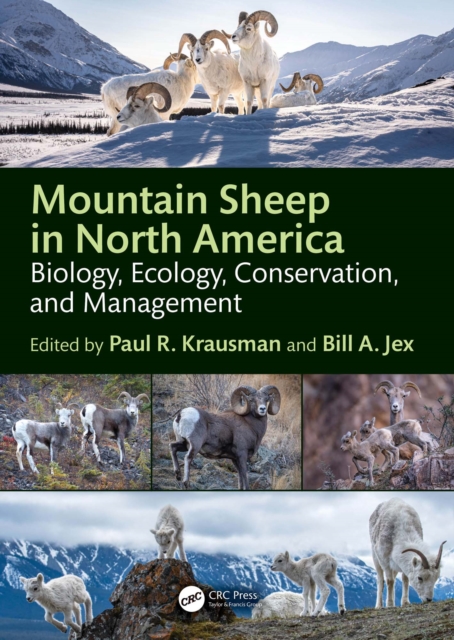
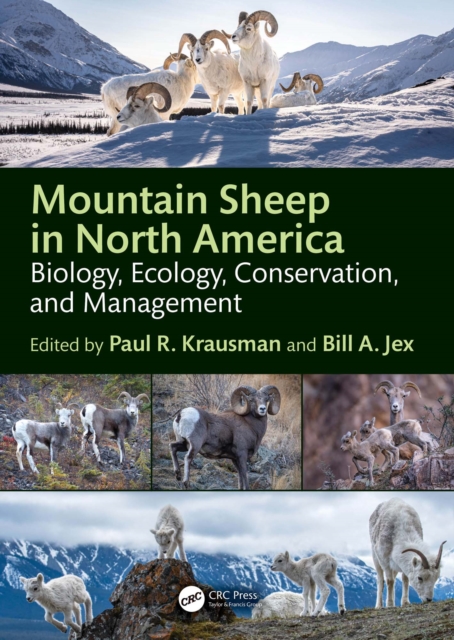
Mountain Sheep in North America: Biology, Ecology, Conservation, and Management provides a detailed account of bighorn and thinhorn sheep across their geographic ranges from Alaska and Canada to Mexico.
Earthworms: Biology and Life is a scientifically rich and comprehensive exploration of earthworm biology, diversity, and ecological significance, with a particular emphasis on the Indian subcontinent and its global context.
Mountain Sheep in North America: Biology, Ecology, Conservation, and Management provides a detailed account of bighorn and thinhorn sheep across their geographic ranges from Alaska and Canada to Mexico.
This book constitutes the refereed proceedings of the 23rd International Conference on Computational Methods in Systems Biology, CMSB 2025, which took place in Lyon, France, during September 10–12, 2025.
This book offers a wide perspective on the fundamental and state-of-the-art knowledge in radiobiology, radiation oncology, and the connection between both fields.
This book offers a wide perspective on the fundamental and state-of-the-art knowledge in radiobiology, radiation oncology, and the connection between both fields.
This book showcases recent findings on the effects of air pollution on the brain throughout the lifespan, describing different types of pollutants, the mechanisms involved in brain impacts, and a description of the brain diseases associated with exposure.
This book constitutes the refereed proceedings of the 23rd International Conference on Computational Methods in Systems Biology, CMSB 2025, which took place in Lyon, France, during September 10–12, 2025.
This book showcases recent findings on the effects of air pollution on the brain throughout the lifespan, describing different types of pollutants, the mechanisms involved in brain impacts, and a description of the brain diseases associated with exposure.
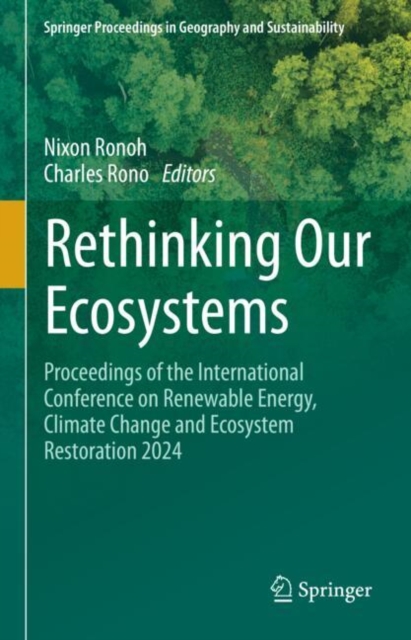
The International Conference on Climate Change and Ecosystem Restoration (ICCCER), organized by The Restoration Alliance and Moi University, addresses and consolidates efforts toward climate change mitigation through landscape restoration.
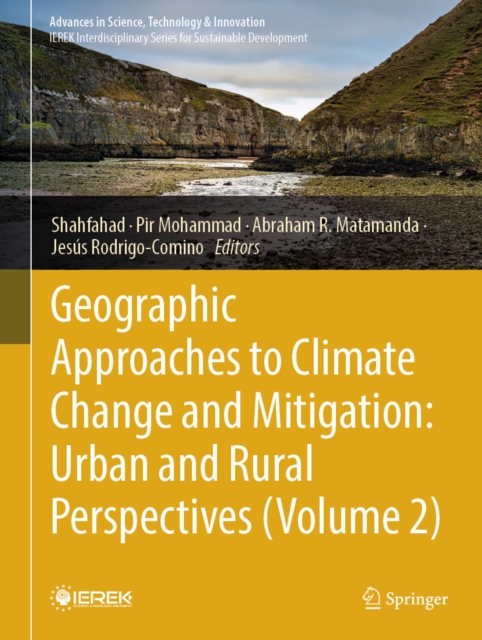
This book provides an exploration of innovative geographic approaches to address the challenges posed by climate change, focusing on solutions across urban and rural contexts.
Epigenetics, as well as all -omics fields of study, such as transcriptomics, proteomics and metabolomics, have caused a revolution in all branches of medicine in recent years.
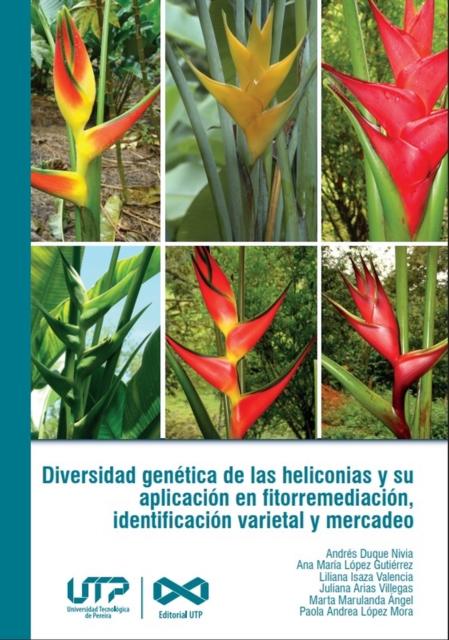
Diversidad genética de las heliconias y su aplicación en fitorremediación, identificación varietal y mercadeo tiene un hilo conductor (el estudio de la diversidad genética y la expresión fenotípica) y un propósito unificador (aportar al mercado de las flores tropicales y estrategias de descontaminación de metales pesados).
Structural Health Monitoring & Machine Learning, Volume 12: Proceedings of the 43rd IMAC, A Conference and Exposition on Structural Dynamics, 2025, the twelfth volume of twelve from the Conference brings together contributions to this important area of research and engineering.