Artificial Intelligence in Patient Counselling explores the transformative role of artificial intelligence in enhancing patient counseling and education.
Transforming Biotech in Food Processing is a comprehensive and forward-thinking exploration at the intersection of biotechnological innovations and global food processing.
The family of monoamine transporters (MATs), composed of the dopamine transporter, serotonin transporter, and norepinephrine transporter, mediates the reuptake of dopamine, serotonin, and norepinephrine from the synapses and extra-synaptic regions, and is thus critical for regulating neurotransmission by controlling the extracellular levels of these neurotransmitters.
This book focuses on the most recent tools unveiling the role of glial cells in brain function and dysfunction, especially involving epilepsy, ischemia, and glioma.
Noise, often viewed as a disturbance in biomedical signal analysis, plays a crucial and informative role in the dynamics of complex physiological systems, particularly in neurocardiovascular and neural networks.
This book explores the evolving and strategic leadership role of Medical Affairs within the pharmaceutical industry—an area uniquely positioned at the intersection of clinical science, product development, and stakeholder engagement.
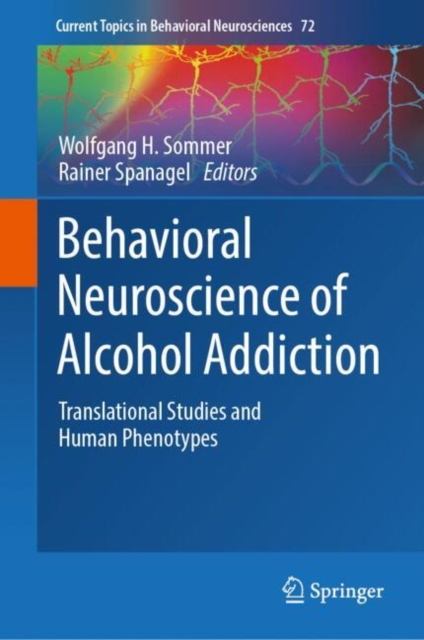
Behavioral Neurobiology of Alcohol Addiction explores the forefront of addiction research, integrating fundamental neurobiological mechanisms with translational insights into human phenotypes.
Coastal environments are unique and highly dynamic ecosystems that play a vital role in climate regulation, support biodiversity, and highly impact human activities.
This book provides fundamental information on all aspects of computational haemodynamics in an integrated manner, combining physiology, fluid mechanics, differential equations and related numerical methods, computing, experiments and cardiovascular pathologies.
Behavioral Neurobiology of Alcohol Addiction explores the forefront of addiction research, integrating fundamental neurobiological mechanisms with translational insights into human phenotypes.
Coastal environments are unique and highly dynamic ecosystems that play a vital role in climate regulation, support biodiversity, and highly impact human activities.
Noise, often viewed as a disturbance in biomedical signal analysis, plays a crucial and informative role in the dynamics of complex physiological systems, particularly in neurocardiovascular and neural networks.
This book focuses on the most recent tools unveiling the role of glial cells in brain function and dysfunction, especially involving epilepsy, ischemia, and glioma.
This book provides fundamental information on all aspects of computational haemodynamics in an integrated manner, combining physiology, fluid mechanics, differential equations and related numerical methods, computing, experiments and cardiovascular pathologies.
The family of monoamine transporters (MATs), composed of the dopamine transporter, serotonin transporter, and norepinephrine transporter, mediates the reuptake of dopamine, serotonin, and norepinephrine from the synapses and extra-synaptic regions, and is thus critical for regulating neurotransmission by controlling the extracellular levels of these neurotransmitters.
Transforming Biotech in Food Processing is a comprehensive and forward-thinking exploration at the intersection of biotechnological innovations and global food processing.
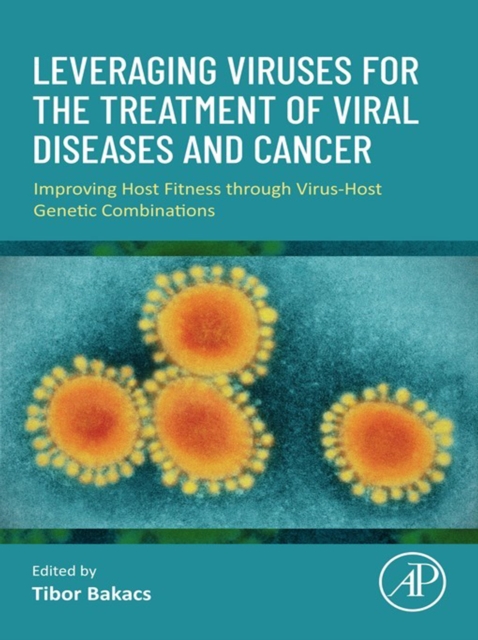
Leveraging Viruses for the Treatment of Viral Diseases and Cancer: Improving Host Fitness by Combinations of Virus and Host Genes gives a comprehensive overview on the impact of using naturally or intentionally attenuated viruses - which are apathogenic to people - to control viral diseases and cancer.
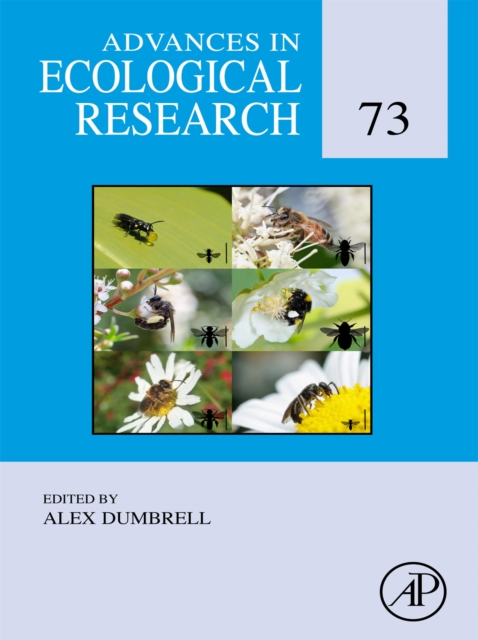
Advances in Ecological Research, Volume 73 highlights new advances in the field, with this new volume presenting interesting chapters written by an international board of authors.
Debating the use of genomic tools and their societal impactOver the past decade, the field of human genetics has produced an extraordinary range of discoveriesincluding the refinement of polygenic scores, which use a person's DNA to estimate their likelihood of developing a trait or disease.
Debating the use of genomic tools and their societal impactOver the past decade, the field of human genetics has produced an extraordinary range of discoveriesincluding the refinement of polygenic scores, which use a person's DNA to estimate their likelihood of developing a trait or disease.
Extracellular Polysaccharides: A Novel Frontier in Alternative Food Strategies represents a pioneering venture into the understudied territory of extracellular polysaccharides (EPS) and the potential advancements, such as a reduced reliance on chemical additives, that they can make in the realm of alternative food solutions.
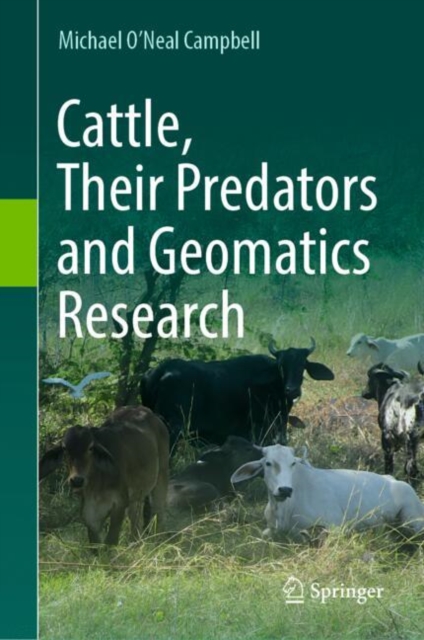
Cattle are currently the most important domesticated mammals, with populations numbering in the hundreds of millions and occupying large tracts of land, while the conservation of large mammalian carnivores is becoming a dominant discourse in modern geopolitics, also claiming large portions of the Earth's land surface.
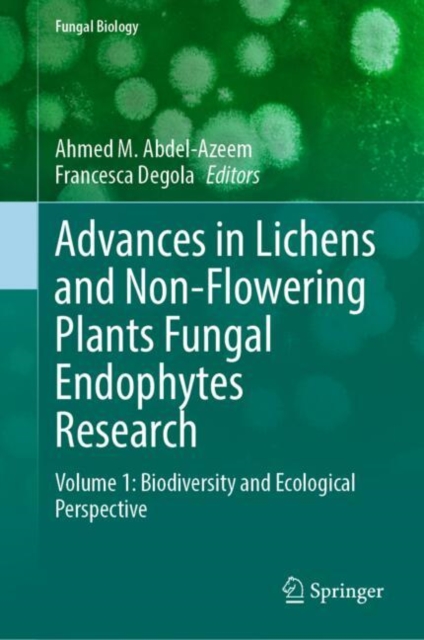
Advances in Lichens and Non-Flowering Plants Fungal Endophytes Research provides a better understanding of endophytic fungal diversity from lichens and non-flowering plants, and their applications.
Behavioral Neurobiology of Alcohol Addiction explores the forefront of addiction research, integrating fundamental neurobiological mechanisms with translational insights into human phenotypes.
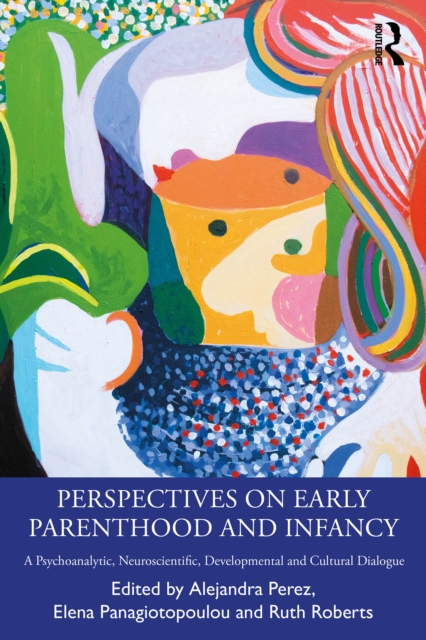
Perspectives on Early Parenthood and Infancy offers a comprehensive exploration of these vital life stages through the lenses of psychoanalysis, neuroscience, developmental psychology, and diverse socio-cultural contexts.
Investigative and Predictive DNA Testing delves into the cutting-edge of DNA analysis, presenting a comprehensive guide that unlocks the potential of DNA in solving complex cases.
This book explores the evolving and strategic leadership role of Medical Affairs within the pharmaceutical industry—an area uniquely positioned at the intersection of clinical science, product development, and stakeholder engagement.
Advances in Lichens and Non-Flowering Plants Fungal Endophytes Research provides a better understanding of endophytic fungal diversity from lichens and non-flowering plants, and their applications.
Extracellular Polysaccharides: A Novel Frontier in Alternative Food Strategies represents a pioneering venture into the understudied territory of extracellular polysaccharides (EPS) and the potential advancements, such as a reduced reliance on chemical additives, that they can make in the realm of alternative food solutions.
Behavioral Neurobiology of Alcohol Addiction explores the forefront of addiction research, integrating fundamental neurobiological mechanisms with translational insights into human phenotypes.
Perspectives on Early Parenthood and Infancy offers a comprehensive exploration of these vital life stages through the lenses of psychoanalysis, neuroscience, developmental psychology, and diverse socio-cultural contexts.
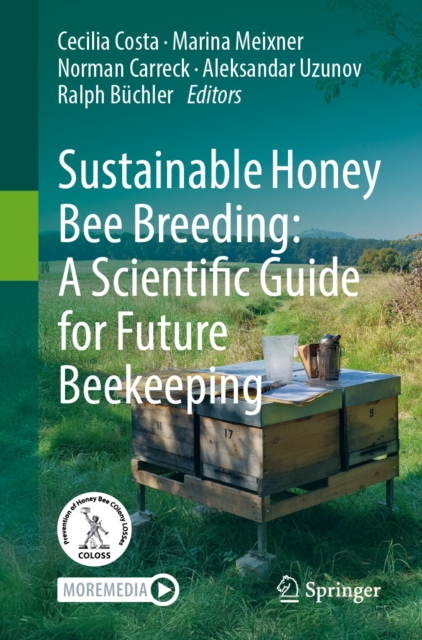
This book is the result of collaborative efforts which have taken place over the past 20 years within the COLOSS network, when the factor “bee origin” was first put into the equation of factors involved in colony losses.
Die Entdeckung von Leben auf anderen Himmelskorpern wurde nahelegen, dass es mehrere Wege zur Entstehung und Entwicklung von komplexen Wesen gibt und wurde damit unsere Sicht auf das Universum dramatisch verandern.