This book explores the intersection of climate resilience, livelihoods, and sustainability in various sectors - from forestry to fisheries and agriculture - within the global South.
The new edition of this popular book introduces the study of attention, focusing on attention modeling, and addressing such themes as saliency models, signal detection, and different types of signals, including real-life applications.
This book presents an international perspective on environmental educational and specifically the influence that context has on this aspect of curriculum.
This book is based on the Special Policy Study on Global Ocean Governance and Ecological Civilization commissioned by the China Council for International Cooperation on Environment and Development (CCICED).
This book constitutes the refereed proceedings of the 17th International Conference on Bioinformatics and Computational Biology, BICOB 2025, held in San Francisco, CA, USA, on March 17, 2025.
This textbook provides a comprehensive overview of the human spermatozoon, tracing its journey from historical discovery to contemporary scientific understanding.
This book discusses the role of nanobiotechnology in genetic engineering, abiotic stress, nanobionics, postharvest reduction, soilless farming, climate change, precision agriculture, food packaging and processing.
In Environmental Education: Identity, Politics and Citizenship the editors endeavor to present views of environmental educators that focus on issues of identity and subjectivity, and how 'narrated lives' relate to questions of learning, education, politics, justice, and citizenship.
This book comprehensively reviews the interplay between hormones and biofilms, uncovering the complex ways in which hormonal signals impact microbial communities and the formation of biofilms.
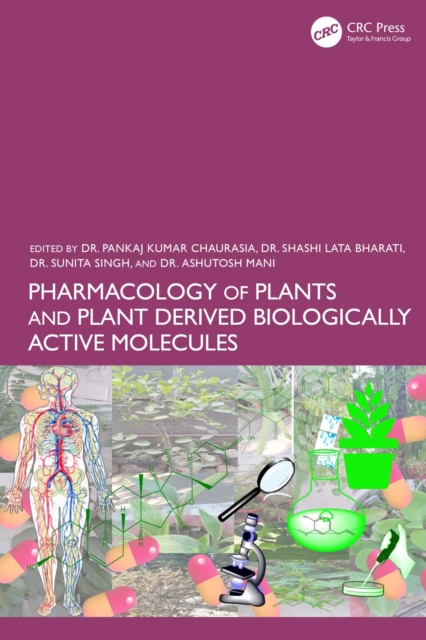
This book, Pharmacology of Plants and Plant Derived Biologically Active Molecules, delves into the interesting world of phytochemicals and their therapeutic applications.
This book explores the current ecosystem status of tropical inland waters especially in Southeast Asia, the progress of ecosystem restoration in terms of current studies, technological interventions, policy recommendations, and stakeholder participation that gives due respect to traditional knowledge and cultural practices, and the challenges and opportunities of the restoration processes.
Fermentation-based processing advanced with global food systems as humanity started to organize the domestication of agriculture from plant and animal sources.