This new volume of the book series Epigenetics and Human Health is dedicated to microRNAs (miRNAS), regulatory non-coding RNAs that have important roles in the control of gene expression both at posttranscriptional and transcriptional levels.
This new volume of the book series Epigenetics and Human Health is dedicated to microRNAs (miRNAS), regulatory non-coding RNAs that have important roles in the control of gene expression both at posttranscriptional and transcriptional levels.
This book highlights and attempts to fill a crucial gap in the existing literature by providing a comprehensive exploration of the emerging field of neuro-symbolic AI.
In this next volume in the Cell Biology and Translational Medicine series, we continue to explore the potential utility of stem cells in regenerative medicine.
Aquaculture is expanding along with the increase in demand for animal protein and hence significantly contributes to food security and socioeconomic livelihood.
In this next volume in the Cell Biology and Translational Medicine series, we continue to explore the potential utility of stem cells in regenerative medicine.
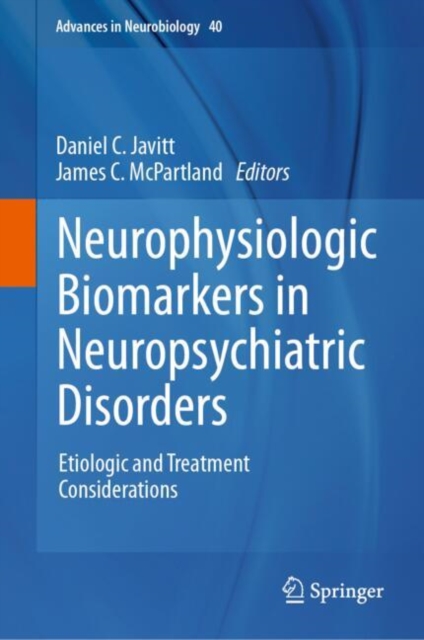
This book reviews neurophysiological biomarkers in neuropsychiatric disorders from the viewpoint of the 21st Century Cures Act, which encourages the use of biomarkers for a variety of purposes during drug development.
Over the last century, antibiotics have been a primary treatment for infectious diseases, and indiscriminate use by both healthcare providers and patients has led to the rapid emergence of resistant pathogens.
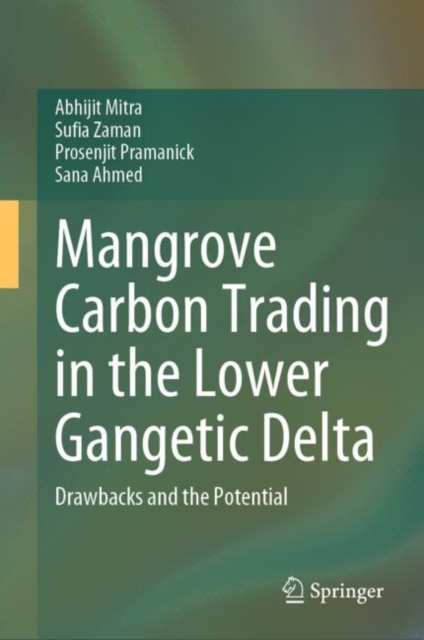
True mangrove flora and their associates in the lower Gangetic region are noted for their wide spectrum of ecosystem services in which carbon storage and sequestration by the forest is one of the most important components.
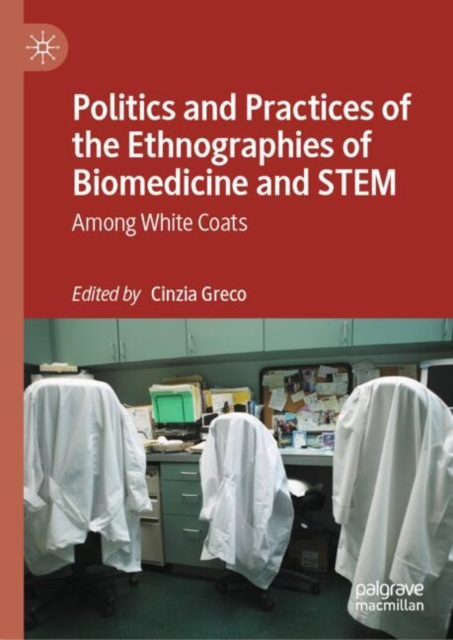
Politics and Practices of the Ethnographies of Biomedicine and STEM: Among White Coats collects critical examinations of the politics, positionality, and epistemological and methodological issues of doing ethnography in a number of locales across the globe and in fields including computer science, astronomy, mining, biology, and medicine.
Politics and Practices of the Ethnographies of Biomedicine and STEM: Among White Coats collects critical examinations of the politics, positionality, and epistemological and methodological issues of doing ethnography in a number of locales across the globe and in fields including computer science, astronomy, mining, biology, and medicine.
This book reviews neurophysiological biomarkers in neuropsychiatric disorders from the viewpoint of the 21st Century Cures Act, which encourages the use of biomarkers for a variety of purposes during drug development.
Over the last century, antibiotics have been a primary treatment for infectious diseases, and indiscriminate use by both healthcare providers and patients has led to the rapid emergence of resistant pathogens.
This book charts the multidimensional course of what has come to be known as the "e;Vegetal Turn"e; in environmental humanities - a wave of theoretical and practical interest in the complexities and peculiarities of plant life and plant-human relations.
True mangrove flora and their associates in the lower Gangetic region are noted for their wide spectrum of ecosystem services in which carbon storage and sequestration by the forest is one of the most important components.
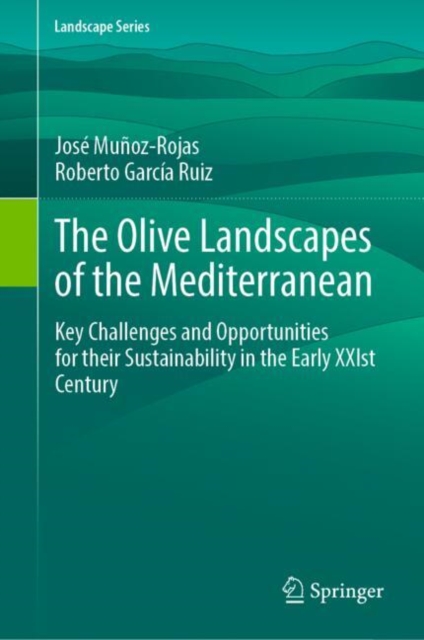
This book provides a state-of-the-art review of the current models and typologies of olive landscapes and related farming systems in the Mediterranean.
This book covers whole Europe within its geographical limits, providing not only an overview about biogeography and recent taxonomic status of Charophyte species but also in-depth information about recent knowledge about ecology, ontogenesis, morphology, palaeontology and systematics of this group of algae.
This book charts the multidimensional course of what has come to be known as the "e;Vegetal Turn"e; in environmental humanities - a wave of theoretical and practical interest in the complexities and peculiarities of plant life and plant-human relations.
This book highlights and attempts to fill a crucial gap in the existing literature by providing a comprehensive exploration of the emerging field of neuro-symbolic AI.
This book provides an updated account of recent advancements in the field of nanotechnology-based theranostics with special emphasis on their application in the diagnosis and treatment of various types of cancer and neurological diseases.
Aquaculture is expanding along with the increase in demand for animal protein and hence significantly contributes to food security and socioeconomic livelihood.
This book outlines how to approach the anaesthetic for congenital heart disease patients for non-cardiac surgery, how to plan for it and to provide a blueprint on how to anaesthetise any congenital cardiac lesion.
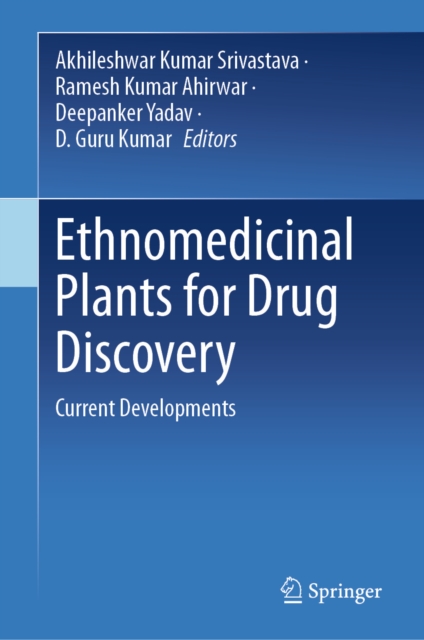
This book explains the translational aspects of ethnomedicinal plants of different geographical regions including India by explaining the medicinal properties against several diseases, genomic evolution in changing environments, metabolic profiling for biomarker discovery, the role of non-coding RNA in the synthesis of secondary metabolites, genome-wide transcriptome profiling, application of pluripotent stem cells for drug discovery, the importance of high-throughput omics, and genome-editing techniques.
This book explains the translational aspects of ethnomedicinal plants of different geographical regions including India by explaining the medicinal properties against several diseases, genomic evolution in changing environments, metabolic profiling for biomarker discovery, the role of non-coding RNA in the synthesis of secondary metabolites, genome-wide transcriptome profiling, application of pluripotent stem cells for drug discovery, the importance of high-throughput omics, and genome-editing techniques.
This book provides a comprehensive, detailed, and coherent spatio-temporal account of Caribbean mangrove evolution from its evolutionary origins to the present that is not available for any mangrove region in the world.
This book contributes significantly to the international literature by bringing forth a novel and comprehensive exploration of urban resilience in the face of climate change and environmental pollution.
This book contributes significantly to the international literature by bringing forth a novel and comprehensive exploration of urban resilience in the face of climate change and environmental pollution.
This book focuses on the various invasive and non-invasive techniques which can be used for the characterization of starch macromolecules along with, the various types of physical, chemical, and enzymatic modifications of starch to enhance its usage in the food industry.
This book focuses on the various invasive and non-invasive techniques which can be used for the characterization of starch macromolecules along with, the various types of physical, chemical, and enzymatic modifications of starch to enhance its usage in the food industry.