This book elucidates the role of microbial genomic islands (GEIs) in genome stability, plasticity, evolutionary adaptation, and pathogenicity in the bacterial population.
This book focuses on advances in our understanding of the regulatory mechanisms of brain iron uptake, iron homeostasis and iron metabolism in the pathophysiology and pharmacology of CNS disease models.
This book overviews the sustainable production and diverse applications of Polyhydroxyalkanoates (PHAs), with a special focus on agriculture, industry, and the environment.
This book analyzes potential yields of six major food crops - rice, wheat, maize, potato, soybean and rapeseed worldwide using both qualitative and quantitative approaches to study both China's and global food security under climate change.
This updated and expanded second edition textbook, describes all main aspects of soil management, to address the serious problems of soil erosion and the attendant environmental pollution.
This book describes the basic concepts and recent advances in new discoveries and technologies related to microbial omics and their role in environmental research and human health.
This book, now in an extensively revised second edition, provides a comprehensive summary of the latest knowledge regarding glycosignals and a thorough analysis of their involvement in not only cancers but also other refractory conditions such as chronic inflammatory disorders.
This book introduces aquaculture ecology as a science of the interaction between commercial aquatic organisms as well as their farming activities and the environment, including the rationales of building and management of aquaculture systems.
This edited book provides an overview of omics technologies and methods for integration across multiple omics layers used in the plant disease diagnosis and developing management strategies.
This book elucidates the role of microbial genomic islands (GEIs) in genome stability, plasticity, evolutionary adaptation, and pathogenicity in the bacterial population.
This book comprehensively reviews the disease dynamics, distribution, surveillance, epidemiology, diagnosis, control strategies, and management of the desert malaria.
The book addresses recent advances in biofortification using different approaches like foliar fertilizer, plant breeding, and genetic engineering as well as its utilization for improvement of nutritional quality of cereals.
This book gives insight into several aspects of the microbiology, biotechnology, and ecosystem sustainability of special and under-explored regions, that captivate human beings by their natural richness, their extensive biodiversity, the extraordinary forms of adaptation of the living beings that they inhabit, and even that keep living secrets as is the very origin of life.
The edited book highlights comprehensive studies on plant diversity dynamics, ecosystem processes, and best conservation practices from the interdisciplinary perspectives such as the botanists, ecologists, conservation biologists, geneticists, cell biologists, molecular biotechnologists, and social scientists.
Reducing the amount of meat in our diet would have major environmental benefits, including reducing greenhouse gas emissions, pollution, deforestation, and biodiversity loss.
This book is a socio-philosophical journey across several aspects of our society's focus on individual freedom, taking cues from some of the most prominent thinkers of our time.
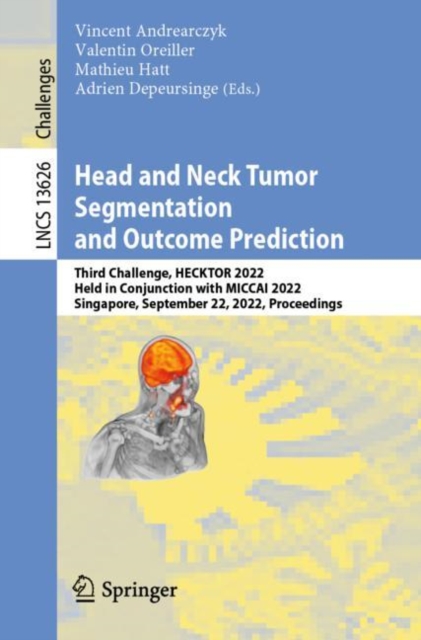
This book constitutes the Third 3D Head and Neck Tumor Segmentation in PET/CT Challenge, HECKTOR 2022, which was held in conjunction with the 25th International Conference on Medical Image Computing and Computer-Assisted Intervention, MICCAI 2022, on September 22, 2022.
This book intends to report the new progress of pseudotyped viruses, including the construction of pseudotyped viruses with different strategies or vectors for most important viruses.
This book presents a comprehensive guide to traditional immunity-boosting medicinal plants of the Himalayas, their traditional uses, phytochemistry, pharmacology, diversity, conversation, biotechnology, toxicology, as well as future prospective.