This work is the first to focus systematically on a much-debated topic: the conceptual issues of community ecology, including the nature of evidence in ecology, the role of experiments, attempts to disprove hypotheses, and the value of negative evidence in the discipline.
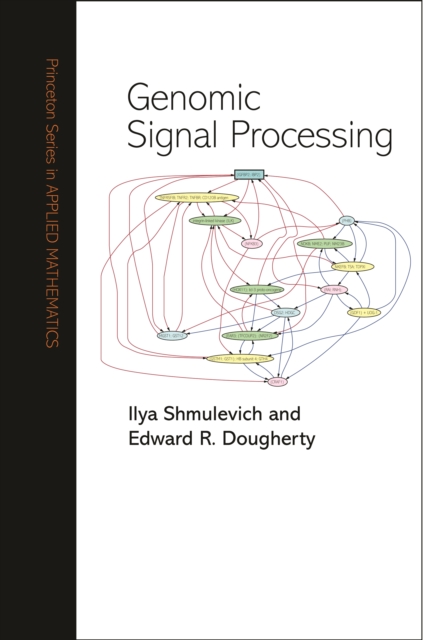
Genomic signal processing (GSP) can be defined as the analysis, processing, and use of genomic signals to gain biological knowledge, and the translation of that knowledge into systems-based applications that can be used to diagnose and treat genetic diseases.
An engaging blend of environmental theory and literary studies, Natures State looks behind the myth of Alaska as Americas last frontier, a pristine and wild place on the fringes of our geographical imagination.
Spatial patterns of movement are fundamental to the ecology of animal populations, influencing their social organization, mating systems, demography, and the spatial distribution of prey and competitors.
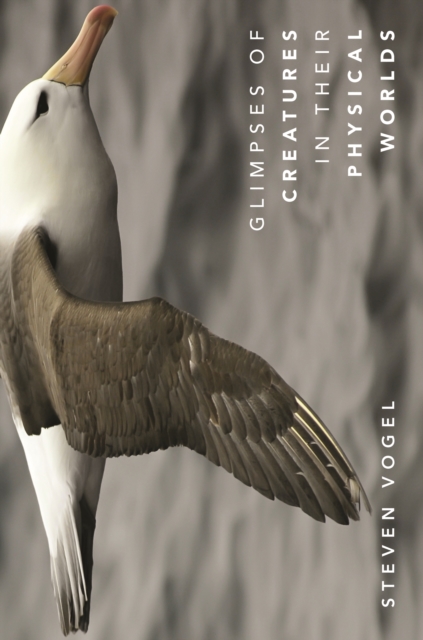
Glimpses of Creatures in Their Physical Worlds offers an eye-opening look into how the characteristics of the physical world drive the designs of animals and plants.
Recent decades have witnessed an explosion of theoretical and empirical studies of sex allocation, transforming how we understand the allocation of resources to male and female reproduction in vertebrates, invertebrates, protozoa, and plants.
In the current resurgence of interest in the biological basis of animal behavior and social organization, the ideas and questions pursued by Charles Darwin remain fresh and insightful.
Evidence-based medicine (EBM) has emphasized that potential advances in healthcare must be tested and proven to do more good than harm before they are incorporated into medical practice.
Ecological Informatics promotes interdisciplinary research between ecology and computer science on elucidation of principles of information processing in ecosystems, ecological sustainability by informed decision making, and bio-inspired computation.
The book compiles case studies regarding the biodiversity research and monitoring program of Andean species and habitats carefully chosen as indicators to assess the short- and long-term effects of a linear disturbance: the PERU LNG pipeline.
This book explores the latest information on microbial electrolysis systems (MES) for hydrogen production and provides a comprehensive and technical description of various aspects of biohydrogen in anaerobic fermentation and efforts to maximize their yield at optimum conditions.
The story of the Santee is, in fact, the story of a major part of the Carolinas east of the Appalachians, for the river drains an immense area of both states from the mountains to the ocean.
An engaging blend of environmental theory and literary studies, Natures State looks behind the myth of Alaska as Americas last frontier, a pristine and wild place on the fringes of our geographical imagination.
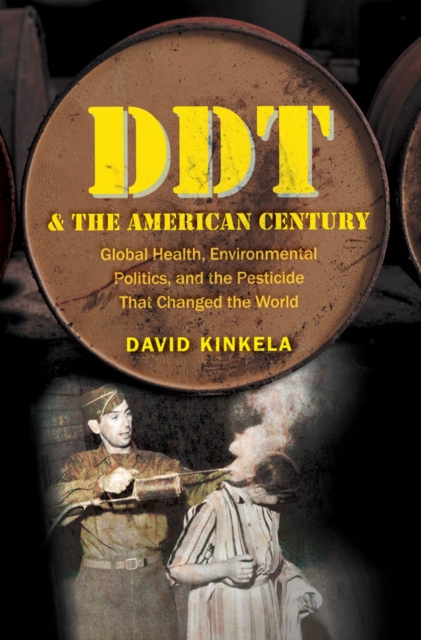
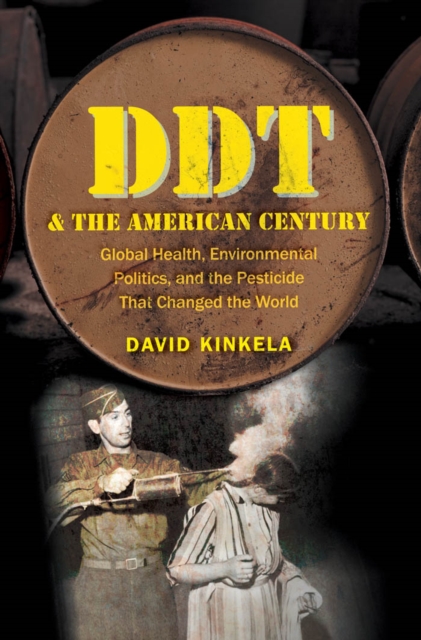
Praised for its ability to kill insects effectively and cheaply and reviled as an ecological hazard, DDT continues to engender passion across the political spectrum as one of the worlds most controversial chemical pesticides.
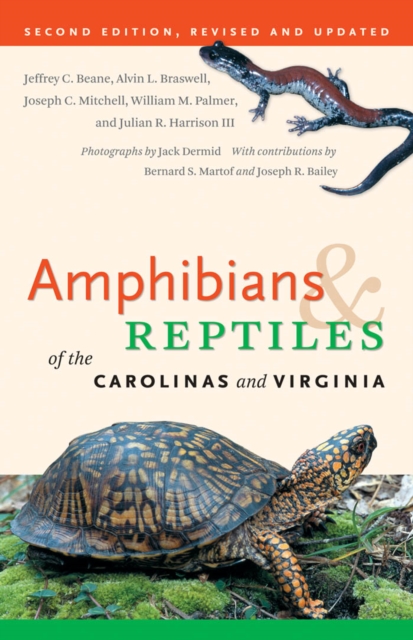
Revised and updated to reflect the most current science, and including 30 new species, this authoritative and comprehensive volume is the definitive guide to the amphibians and reptiles of the Carolinas and Virginia.
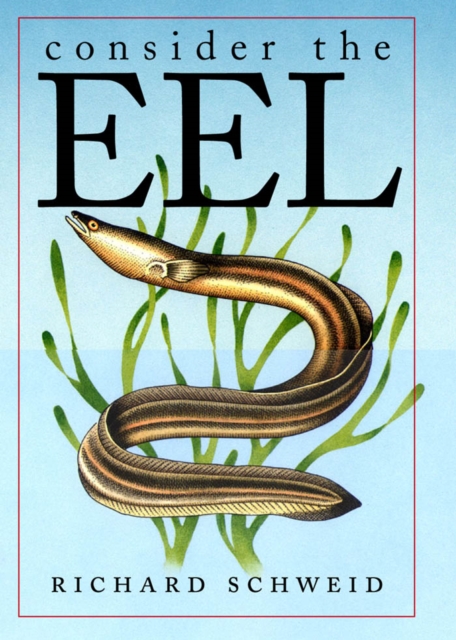
Journalist Richard Schweid first learned the strange facts of the freshwater eels life from a fisherman in a small Spanish town just south of Valencia.
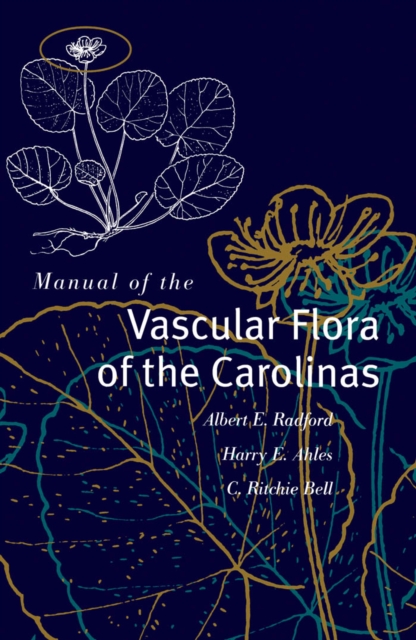
This illustrated manual describes and discusses the unusually rich and varied flora of the Carolinas, from the semi-tropical coast of South Carolina to the northern forests of the high North Carolina mountains.
The Twofold Brain: Exploring Fundamental Questions about Brain Lateralization challenges the traditional view that brain asymmetry is exclusive to human brains, showing that it is instead widespread in animals.
A rich and engaging look at social bees, master communicators of the insect worldWith senses that often seem alien to us, bees navigate complex decisions about where to find food, when to fight or flee, and how to work together.
Praised for its ability to kill insects effectively and cheaply and reviled as an ecological hazard, DDT continues to engender passion across the political spectrum as one of the worlds most controversial chemical pesticides.
Timely and provocative reflections on the future of the wild in an increasingly human worldThe Heart of the Wild brings together some of today's leading scientists, humanists, and nature writers to offer a thought-provoking meditation on the urgency of learning about and experiencing our wild places in an age of rapidly expanding human impacts.
The Oxford Handbook of Developmental Cognitive Neuroscience brings together the leading developmental cognitive neuroscientists in the field that work on understanding human development, and the complex interplay of genetic, environmental, and brain maturational factors that shape social and cognitive functioning in development.
Diploma Thesis from the year 2002 in the subject Biology - Ecology, grade: 1,0 (A), University of Rostock (Institute for Botany), language: English, abstract: Since the end of the 19th century, overall per-capita mobility of humans has increased significantly, leading to increased rates in human-mediated transportation of animal and plant species.
Mechanical Design of Structural Materials in Animals explores the principles underlying how molecules interact to produce the functional attributes of biological materials: their strength and stiffness, ability to absorb and store energy, and ability to resist the fatigue that accrues through a lifetime of physical insults.
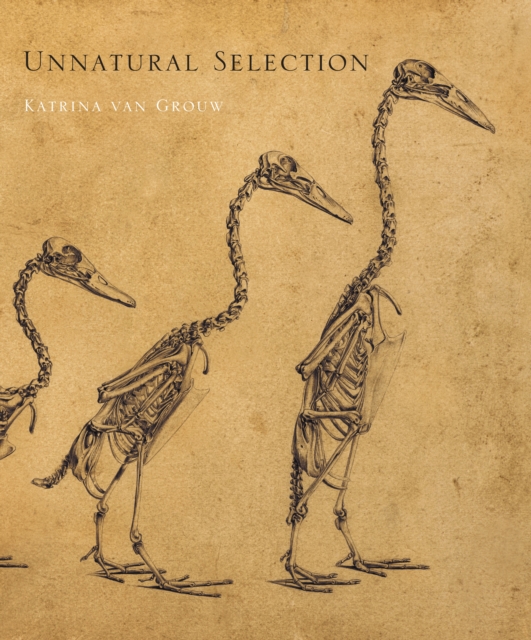
A lavishly illustrated look at how evolution plays out in selective breedingUnnatural Selection is a stunningly illustrated book about selective breeding-the ongoing transformation of animals at the hand of man.
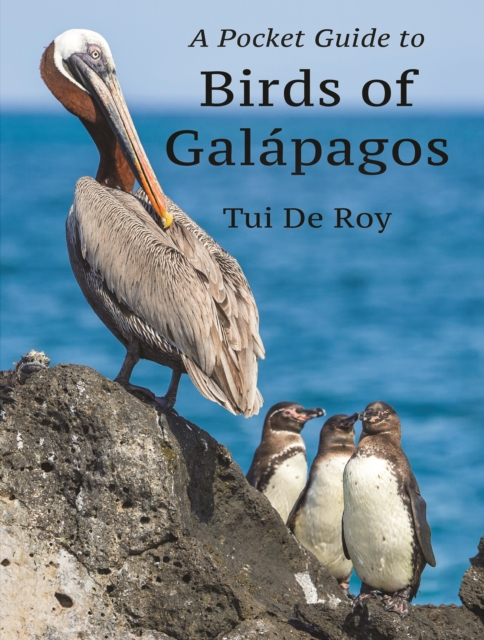
A compact, richly illustrated photographic field guide to all of the birds of Galapagos, from renowned photographer and writer Tui De RoyA lifelong resident of Galapagos, Tui De Roy has been observing, studying, and photographing the islands' astonishing birdlife for sixty years.
This comprehensive handbook provides an authoritative collection of exercise-cognition research, exploring the historical development, current state, and future implications of the field.
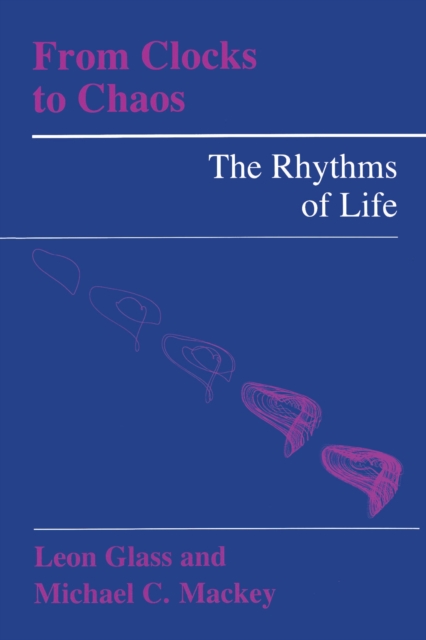
In an important new contribution to the literature of chaos, two distinguished researchers in the field of physiology probe central theoretical questions about physiological rhythms.
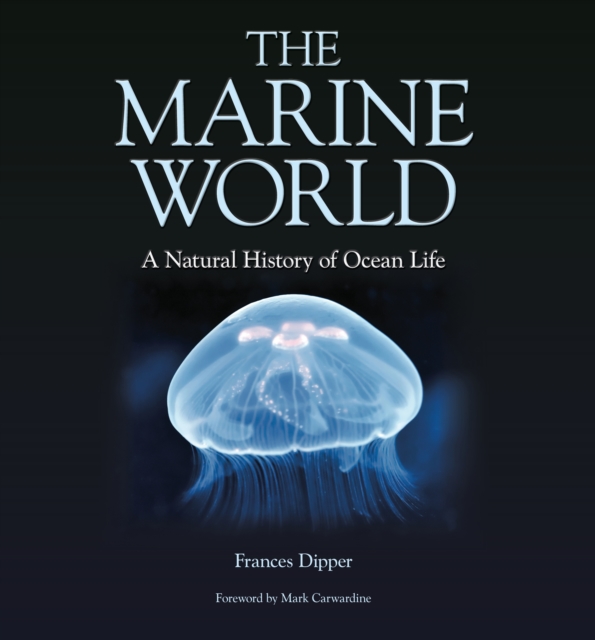
The Marine World is a book for everyone with an interest in the ocean, from the marine biologist or student wanting expert knowledge of a particular group to the naturalist or diver exploring the seashore and beyond.