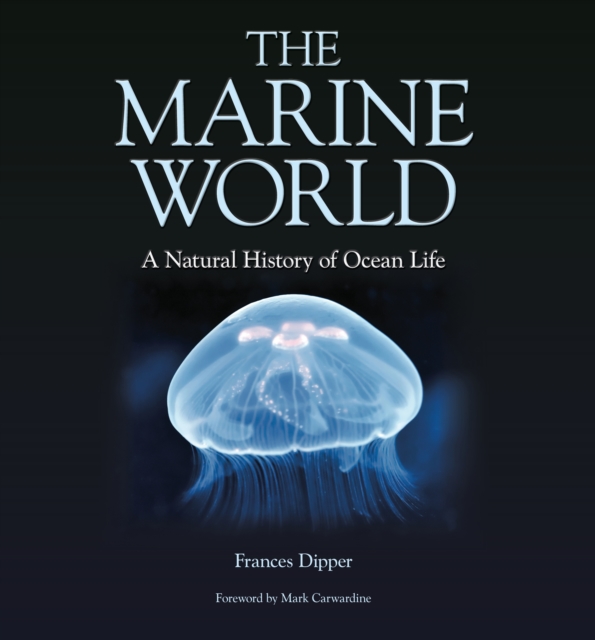
The Marine World is a book for everyone with an interest in the ocean, from the marine biologist or student wanting expert knowledge of a particular group to the naturalist or diver exploring the seashore and beyond.
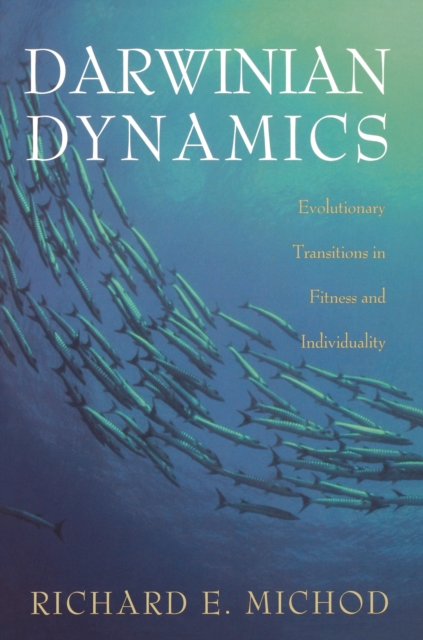
The concept of fitness has long been a topic of intense debate among evolutionary biologists and their critics, with its definition and explanatory power coming under attack.
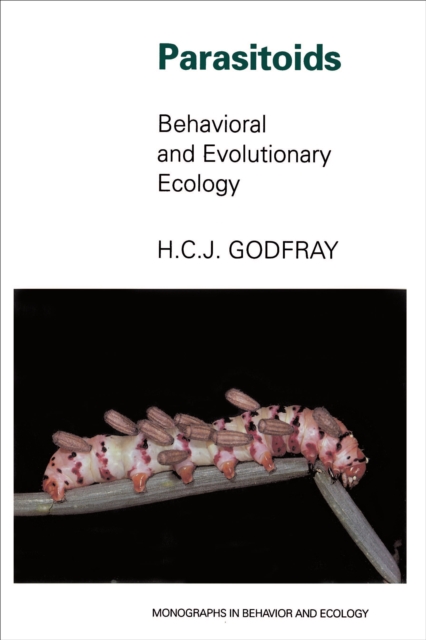
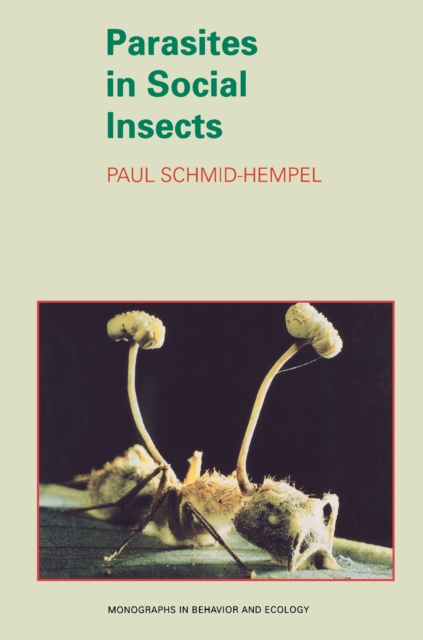
Parasitoids lay their eggs on or in the bodies of other species of insect, and the parasitoid larvae develop by feeding on the host, causing its eventual death.
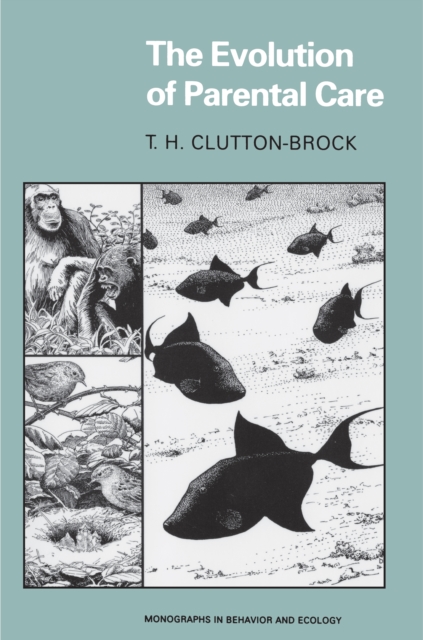
Synthesizing studies of parental care in a wide variety of animals, this book is the first attempt to provide general answers to the following important questions: Why does the extent of parental care vary so widely between species?
Addressing general readers and biologists, Mark Denny shows how the physics of fluids (in this case, air and water) influences the often fantastic ways in which life forms adapt themselves to their terrestrial or aquatic "e;media.
Both a landmark text and reference book, Steven Vogel's Life in Moving Fluids has also played a catalytic role in research involving the applications of fluid mechanics to biology.
Natural selection is an immense and important subject, yet there have been few attempts to summarize its effects on natural populations, and fewer still which discuss the problems of working with natural selection in the wild.
The definitive field guide to all the sharks, rays and chimaeras of the European Atlantic and MediterraneanThe waters of the northeast Atlantic and Mediterranean Sea are home to an amazing variety of sharks, rays and chimaeras.
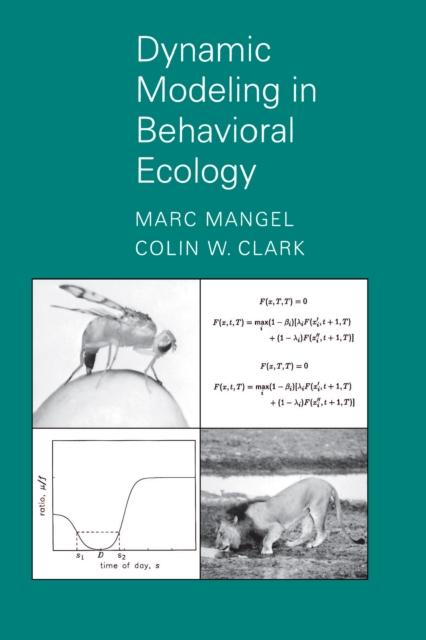
Whether in felling trees for wood, rearing insects for biological control, or culling animals for conservation purposes, efficient management of biological systems requires quantitative analysis of population growth and harvesting policies.
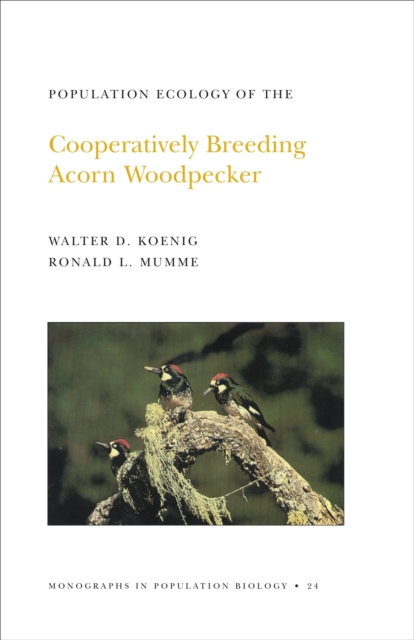
Ever since the acorn woodpecker was observed and described by Spanish explorers, its behavior--particularly the unique habit of caching acorns in specialized storage trees or granaries--has impressed observers.
This book maintains that higher plants manifest some degree of sexual selection, and it begins to build a framework that unifies many features of plant reproduction previously considered unrelated.
Many animals regulate their population density by patterns of behavior that would be easy to explain if the forces of natural selection acted to optimize group properties.
To show the importance of stochastic processes in the change of gene frequencies, the authors discuss topics ranging from molecular evolution to two-locus problems in terms of diffusion models.
This book deals with a key area of population genetics: the ratio of the sexes in a population, or the allocation of resources to male versus female reproductive function.
The variety of social systems among the New World blackbirds (Family Icteridae) and the structural simplicity of their foraging environment provide excellent opportunities for testing theorics about the adaptive significance of their behavior.
In this study of arthropod predador-prey systems Michael Hassell shows how many of the components of predation may be simply modeled in order to reveal their effects on the overall dynamics of the interacting populations.
Although ecologists have long considered morphology and life history to be important determinants of the distribution, abundance, and dynamics of plants in nature, this book contains the first theory to predict explicitly both the evolution of plant traits and the effects of these traits on plant community structure and dynamics.
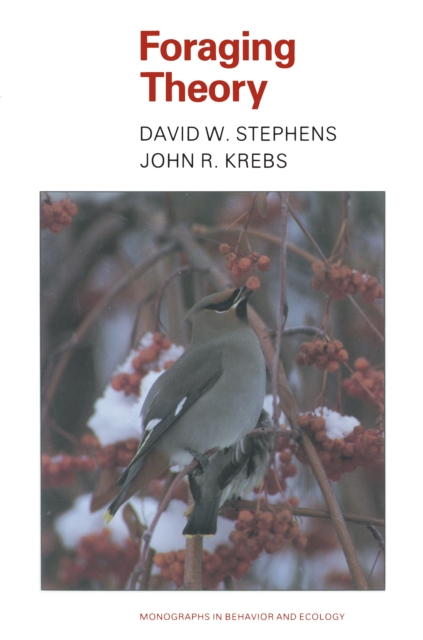
A common tendency in the field of population ecology has been to overlook individual differences by treating populations as homogeneous units; conversely, in behavioral ecology the tendency has been to concentrate on how individual behavior is shaped by evolutionary forces, but not on how this behavior affects population dynamics.
Professor Levins, one of the leading explorers in the field of integrated population biology, considers the mutual interpenetration and joint evolution of organism and environment, occurring on several levels at once.
In spite of the fact that parasites represent more than half of all living species of plants and animals, their role in the evolution of life on earth has been substantially underestimated.
A number of scholars have found that concepts such as mutation, selection, and random drift, which emerged from the theory of biological evolution, may also explain evolutionary phenomena in other disciplines as well.
Through use of the models Professor Horn has devised, plant ecologists, foresters, and botanists will be able to predict the growth and productivity of a forest, the invading and senile species in a forest, the effect of shade tolerance on forest succession, and similar questions.
Professor Cody's monograph emphasizes the role of competition at levels above single species populations, and describes how competition, by way of the niche concept, determines the structure of communities.
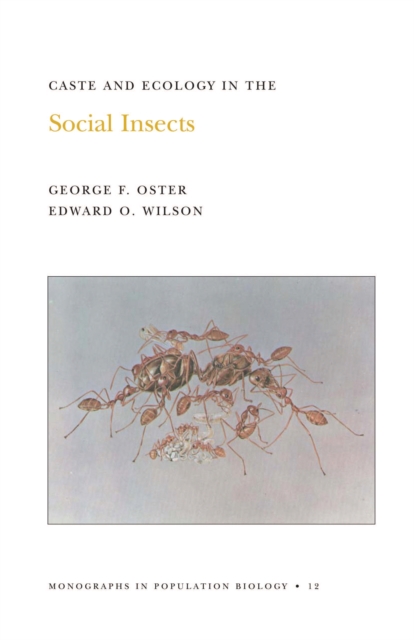
In this pathbreaking and far-reaching work George Oster and Edward Wilson provide the first fully developed theory of caste evolution among the social insects.
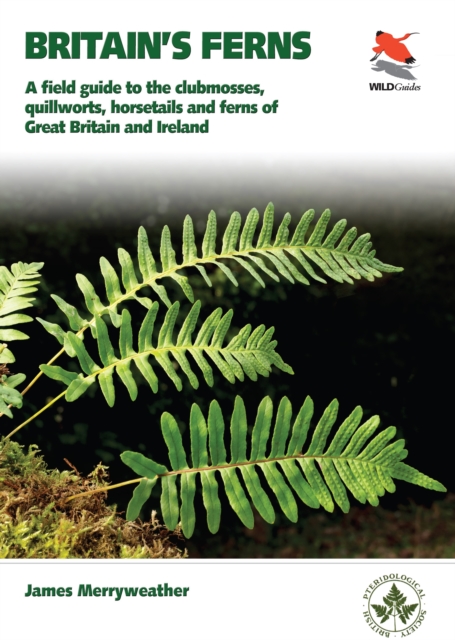
The only comprehensive photographic guide to the ferns, clubmosses, quillworts and horsetails of BritainThis is a comprehensive, lavishly illustrated and user-friendly photographic identification guide to the fifty-seven ferns and seventeen other pteridophytes that occur in Britain.
Spatial Ecology addresses the fundamental effects of space on the dynamics of individual species and on the structure, dynamics, diversity, and stability of multispecies communities.
This edited volume presents updated and significant contributions to the study of climate change and ecosystem services, with a strong focus on real-world case studies from diverse geographic regions, especially across Asia.
Evolutionary Community Ecology develops a unified framework for understanding the structure of ecological communities and the dynamics of natural selection that shape the evolution of the species inhabiting them.
Pursuing the questions of how we learn and how memory is made, Edward Kosower introduces a novel and rich approach to connecting molecular properties with the biological properties that enable us to write and read, to create culture and ethics, and to think.
This volume represents work by five distinguished ecological geneticists, offering an up-to-date source for theoretical concepts and experiments in an exciting field.
Research into the lives of animals in their natural environments has revealed a rich tapestry of complex social relationships and previously unsuspected social and mating systems.
This volume brings together more than a decade of information collected in the field and lab on the naked mole-rat (Heterocephalus glaber), a northeast African mammal unique for its physical characteristics and eusociality.
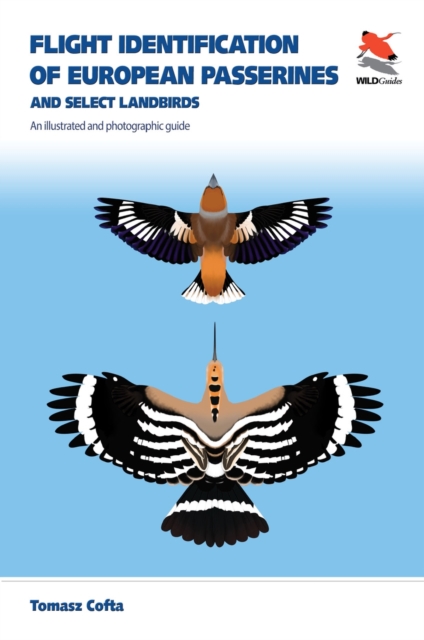
A richly illustrated, state-of-the-art field guide for identifying European passerines in flight-the first of its kindOpening up new frontiers in birdwatching, this is the first field guide to focus specifically on the identification of European passerines and related landbirds in flight.