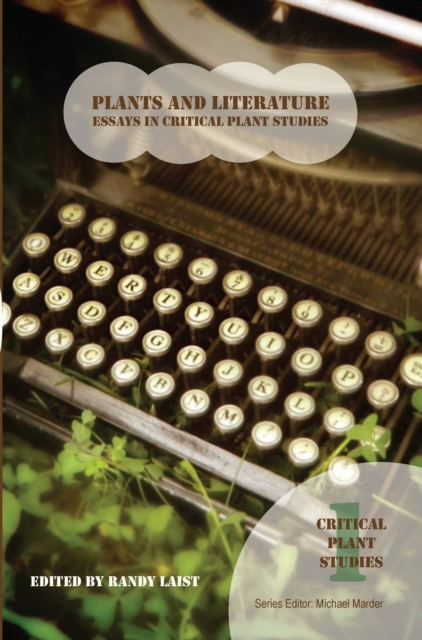
This book takes us beneath the banality of business as usual where technoscientific professionals routinely make judgments that impact the lives of others.
This book comprises 14 chapters authored by experts from seven countries, including – India, Iraq, Mauritius, Myanmar, Nigeria, South Africa and Zimbabwe.
Advances in Agronomy, Volume 197, the latest release in this leading reference on agronomy, contains a variety of updates and highlights new advances in the field, each written by an international board of authors.
This book presents a timely and comprehensive overview of how cutting-edge technologies are transforming rehabilitation practices for individuals with physical disabilities.
This book provides a comprehensive and forward-looking examination of neglected and underutilized crops (NUCs) as key enablers of climate-resilient and sustainable food systems.
This book offers a concise yet comprehensive exploration of embodied artificial intelligence (AI) and its integration with swarm manipulation, navigation, and tracking tasks.
This book explores the rapidly advancing field of gut–brain interactions, with a particular focus on the emerging evidence linking the gut microbiome to neurodegenerative diseases such as Alzheimer’s disease, Parkinson’s disease, cerebral palsy, and amyotrophic lateral sclerosis (ALS).
This book offers a concise yet comprehensive exploration of embodied artificial intelligence (AI) and its integration with swarm manipulation, navigation, and tracking tasks.
This book provides insight into advancing GIS and remote sensing technology in the field of mangrove ecosystem monitoring, offering traditional as well as advanced techniques for mangrove types, biophysical and biochemical parameters, retrieval, species identification, mapping classification, machine learning, physics-based approaches, challenges, and the way forward.
This book explores the emerging intersection of design, plant intelligence, and multispecies coexistence, with a particular focus on the relationship between plants and humans in urban public spaces.
This book explores the emerging intersection of design, plant intelligence, and multispecies coexistence, with a particular focus on the relationship between plants and humans in urban public spaces.
What if the greatest human containment zone in history isn't a myth, but a scientifically verifiable geological quarantine waiting to be rediscovered by modern orbital telemetry?
This book explores the rapidly advancing field of gut–brain interactions, with a particular focus on the emerging evidence linking the gut microbiome to neurodegenerative diseases such as Alzheimer’s disease, Parkinson’s disease, cerebral palsy, and amyotrophic lateral sclerosis (ALS).
This book provides a comprehensive and forward-looking examination of neglected and underutilized crops (NUCs) as key enablers of climate-resilient and sustainable food systems.
Cytokine-Based immunotherapy: Part B, Volume 401 delves into the intricate world of cytokines, the vital signaling proteins that orchestrate the immune response and their pivotal role in modulating various immune functions.
This book sheds new light on the complex phenomenon of cell fusion, a vital process in various physiological and pathophysiological contexts, including fertilization, placentation, myogenesis, and cancer.
This book sheds new light on the complex phenomenon of cell fusion, a vital process in various physiological and pathophysiological contexts, including fertilization, placentation, myogenesis, and cancer.
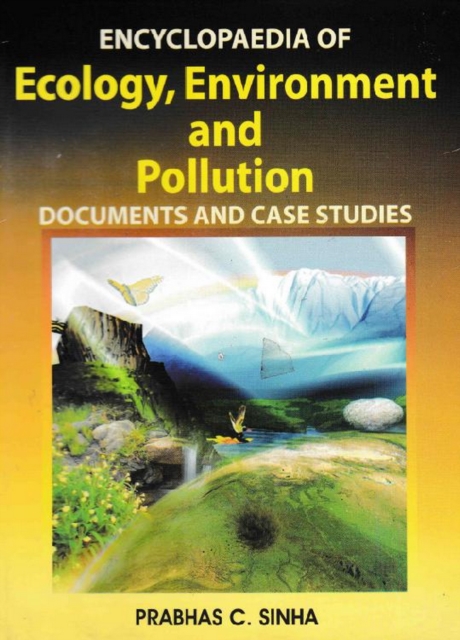
This encyclopaedia is unique in the sense that it presents contemporary ecology and environment in a chronological order for the first timer Not only it helps trace the process of evolution of regulatory framework for the global and national environmental legislations, it helps the readers to evaluate the development of national environmental consciousness vis-a vis the international one.
This book explores the physiology and neurophysiology of the endocrine system, emphasizing the intricate brain-endocrine crosstalk, from pathophysiology to clinical applications.
This book offers a detailed look into the latest advancements and strategies for managing biotic and abiotic stresses in wheat cultivation, with a focus on Indian agricultural conditions.
This book provides an in-depth examination of microbiota, the diverse community of microorganisms that play a crucial role in maintaining the health and functionality of living organisms.
This encyclopaedia is unique in the sense that it presents contemporary ecology and environment in a chronological order for the first timer Not only it helps trace the process of evolution of regulatory framework for the global and national environmental legislations, it helps the readers to evaluate the development of national environmental consciousness vis-a vis the international one.
Microbial and Biochar Technology for Waste Valorization delves into the innovative integration of microbial and biochar technologies, presenting a compelling case for their combined utilization in waste reuse to aid environmental sustainability.
This book explores the physiology and neurophysiology of the endocrine system, emphasizing the intricate brain-endocrine crosstalk, from pathophysiology to clinical applications.
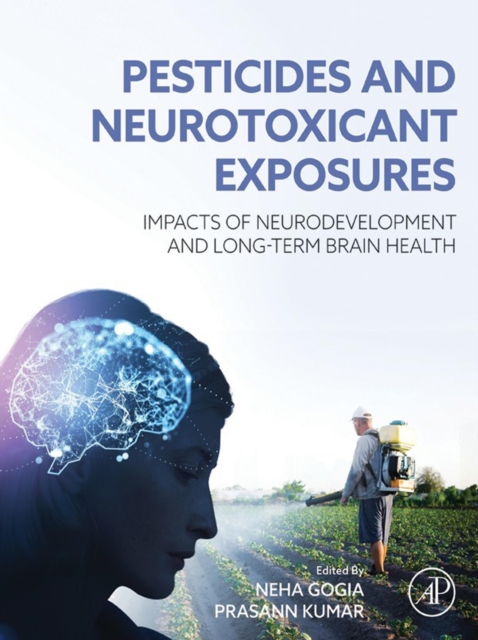
Pesticides and Neurotoxicant Exposures: Impacts of Neurodevelopment and Long-Term Brain Health explores neuroscience research, revealing how chronic pesticide exposure contributes to neurodegenerative diseases and cognitive decline.
Pesticides and Neurotoxicant Exposures: Impacts of Neurodevelopment and Long-Term Brain Health explores neuroscience research, revealing how chronic pesticide exposure contributes to neurodegenerative diseases and cognitive decline.