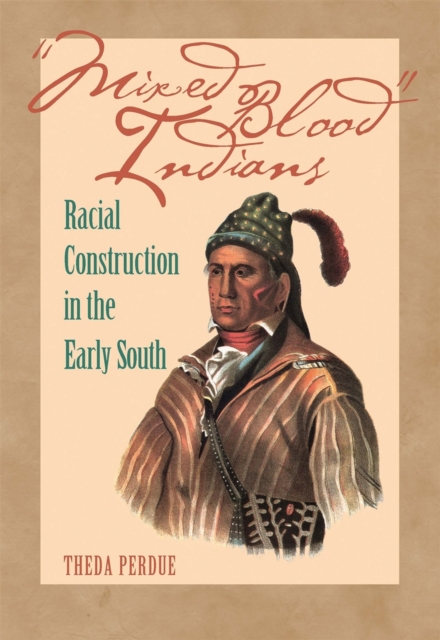
On the southern frontier in the eighteenth and early nineteenth centuries, European men-including traders, soldiers, and government agents-sometimes married Native women.
Understanding our profound connection to popular music is a complex endeavor, requiring an integrated knowledge of cognitive neuroscience, evolutionary biology, musicology, and cultural studies.
This book provides a comprehensive view of the insect neuroendocrine system, incorporating recent advances in bioinformatics, comparative genomics, and molecular genetic approaches.
This book offers a detailed look into the latest advancements and strategies for managing biotic and abiotic stresses in wheat cultivation, with a focus on Indian agricultural conditions.
This book presents an extensive exploration of how medicinal mushrooms can enhance brain health, boost cognitive function, and support overall well-being.
This book presents an extensive exploration of how medicinal mushrooms can enhance brain health, boost cognitive function, and support overall well-being.
Combining theory with practical perspectives from diverse disciplines, this volume provides a wide-ranging exploration of AI ethics across healthcare, education, military operations, and more.
This book provides a comprehensive view of the insect neuroendocrine system, incorporating recent advances in bioinformatics, comparative genomics, and molecular genetic approaches.
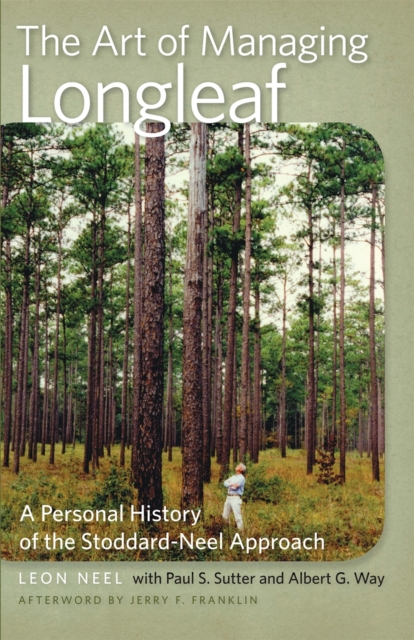
Greenwood Plantation in the Red Hills region of southwest Georgia includes a rare one-thousand-acre stand of old-growth longleaf pine woodlands, a remnant of an ecosystem that once covered close to ninety million acres across the Southeast.
Nutrition and Neurotoxicity, Part A highlights new advances in the field, with this new volume presenting interesting chapters on a variety of timely topics, including the Effect of toluene on memory: A focus on humans, experimental models and treatment approaches, Neurotoxicological Mechanisms of Ethanol, Neurobehavioral Aspects and Methodology of Solvents, Organic solvents and neurodegenerative diseases: exploring a possible link, Neurotoxicity of propylene ethers.
This second edition volume expands on the previous edition with new methods and refinements ranging from tissue clearing and three-dimensional imaging, to explant culture systems, lineage tracing, high-resolution transcriptomics, metabolism, and chromatin structure analysis.
This second edition volume expands on the previous edition with new methods and refinements ranging from tissue clearing and three-dimensional imaging, to explant culture systems, lineage tracing, high-resolution transcriptomics, metabolism, and chromatin structure analysis.
THE SUNDAY TIMES BESTSELLER*As heard on Chris Evans' Virgin Radio*'You're amazing I could talk to you (Rahul) all day' Chris Evans'This is a gripping new book' The TimesWorld-leading neuroscientist and neurosurgeon Dr Rahul Jandial draws on his years of work with patients suffering from the most extreme cases of brain damage, disorders and illnesses to reveal what they can tell us about the science of the mind.
Combining theory with practical perspectives from diverse disciplines, this volume provides a wide-ranging exploration of AI ethics across healthcare, education, military operations, and more.
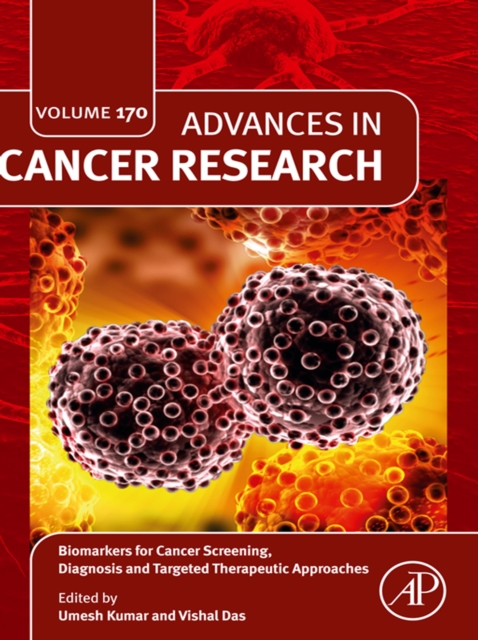
Biomarkers for Cancer Screening, Diagnosis and Targeted Therapeutic Approaches, Volume 170 provides an integrated overview of the current state and future directions of biomarker research in oncology.
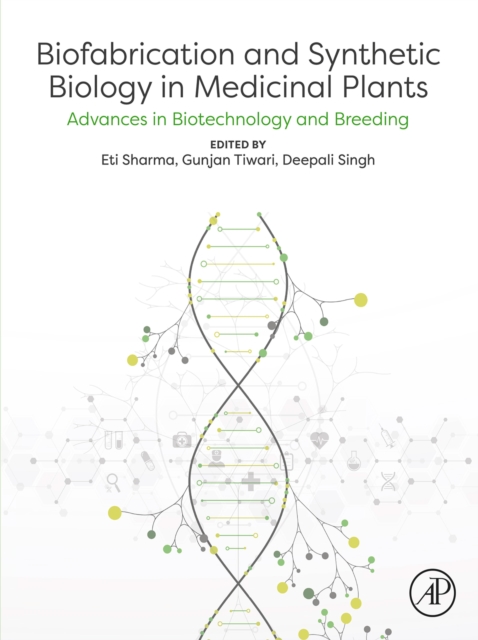
Biofabrication and Synthetic Biology in Medicinal Plants: Advances in Biotechnology and Breeding presents recent technological advances for enhancing medicinal plants as sources of plant-based biopharmaceuticals.
Over a decade ago, the field of bioethics was established in response to the increased control over the design of living organisms afforded by both medical genetics and biotechnology.
Over a decade ago, the field of bioethics was established in response to the increased control over the design of living organisms afforded by both medical genetics and biotechnology.
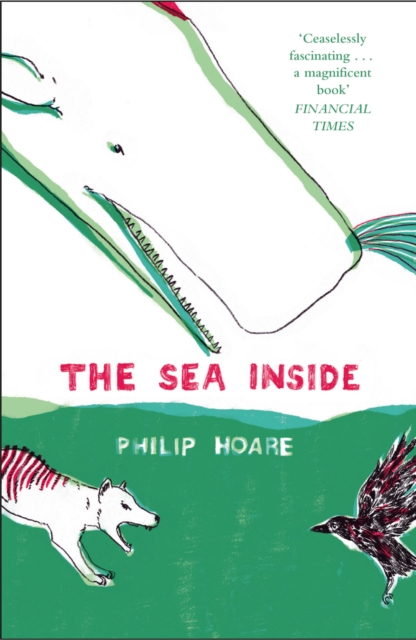
A startling new book, his most personal to date, from Philip Hoare, co-curator of 'Moby Dick: Big Read and winner of the 2009 Samuel Johnson Prize for 'Leviathan'.
ANTI TRANSHUMANISM: Adversus Transhumanismum (Introducing Parahumanism) 1st EditionA bold philosophical critique of the transhumanist movement, Adversus Transhumanismum exposes how the promises of human enhancement, immortality, and post-biological evolution remain inaccessible to most—especially in developing nations where basic needs are still unmet.
In diesem Buch wird untersucht, wie Lehramtsstudierende ihre Verantwortung gegenüber Gesellschaft und Umwelt verstehen und welchen gesellschaftlichen Auftrag sie ihrem zukünftigen Berufsbild zuschreiben.
In diesem Buch wird untersucht, wie Lehramtsstudierende ihre Verantwortung gegenüber Gesellschaft und Umwelt verstehen und welchen gesellschaftlichen Auftrag sie ihrem zukünftigen Berufsbild zuschreiben.
This textbook for graduate veterinary students introduce the concept, objectives, and definition of One Health and discuss the advancements made and challenges in One Health around endemic and emerging zoonotic diseases.
This textbook for graduate veterinary students introduce the concept, objectives, and definition of One Health and discuss the advancements made and challenges in One Health around endemic and emerging zoonotic diseases.
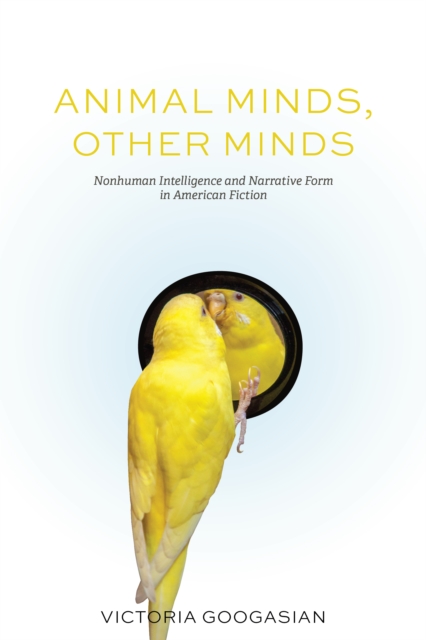
How a fascination with animal consciousness, perception, and intelligence shaped American fiction in the twentieth centuryAnimal Minds, Other Minds upends a common assumption: that the minds encountered in fiction are always in some sense fundamentally human.
This book provides a comprehensive review of the silkworm as a biofactory for the mass production of various proteins, shedding new light on its potential beyond traditional silk production.
This book offers a comprehensive exploration of cognitive disabilities, particularly associated with Alzheimer's disease (AD), primarily focusing on understanding, diagnosing, managing, and advancing the treatment of these impairments.
This book offers a comprehensive exploration of cognitive disabilities, particularly associated with Alzheimer's disease (AD), primarily focusing on understanding, diagnosing, managing, and advancing the treatment of these impairments.