Este diccionario esta dirigido tambien a los interesados en iniciarse en la maravillosa tarea de comprender el funcionamiento del cerebro y como se implementan estos conocimientos en disciplinas de avanzada, entre ellas, neuromarketing, neuroeconomia, neuroliderazgo, neuroaprendizaje y neurocapacitacion.
Nestor Braidot vuelve a sorprendernos con un libro de origen cientifico totalmente comprensible para cualquier lector que este interesado en el funcionamiento del organo mas importante del cuerpo humano: el cerebro.
This book provides a comprehensive understanding of the transformative potential of stem cell therapies for improving skin health and treating debilitating dermatological disorders.
Nanotechnology of Veterinary Medicine and Livestock Production compiles the most impactful emerging research on the use of nanotechnology in animal sciences.
This book caters to those interested in deploying forward- and reverse-genetics toward a more complete characterization of tetraploid wheat biodiversity for a more effective circular genomics for tailoring climate-resilient cultivars able to sustainably feed mankind while limiting the environmental footprint.
This non-fiction book informs those interested in neuroscience and medicine about the latest findings on the therapy of neurodegeneration with a focus on Alzheimer's dementia and Parkinson's disease.
This thesis describes the use of biophysical and biochemical methods to prove that calcium has a positive feedback effect on amplifying and sustaining CD3 phosphorylation and should enhance T-cell sensitivity to foreign antigens.
This book brings together environmental scientists and engineers to discuss the development of new approaches and methodologies which utilize microalgae for biological wastewater treatment.
Recent advances in the field of recombinant antibodies have permitted the manipulation of genes encoding specific antibodies, thus allowing their ectopic expression in a wide variety of non-lymphoid cells.
Recent advances in techniques and understanding in the fields of genetics, embryology and reproductive biology have opened up new ways to treat a wide range of medical problems.
Numerical methods that preserve properties of Hamiltonian systems, reversible systems, differential equations on manifolds and problems with highly oscillatory solutions are the subject of this book.
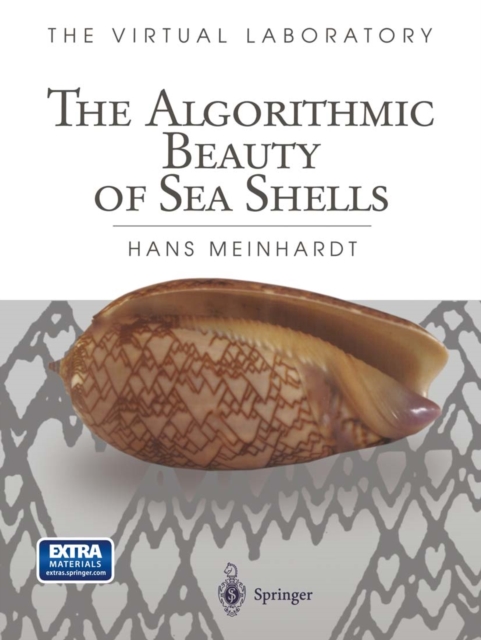
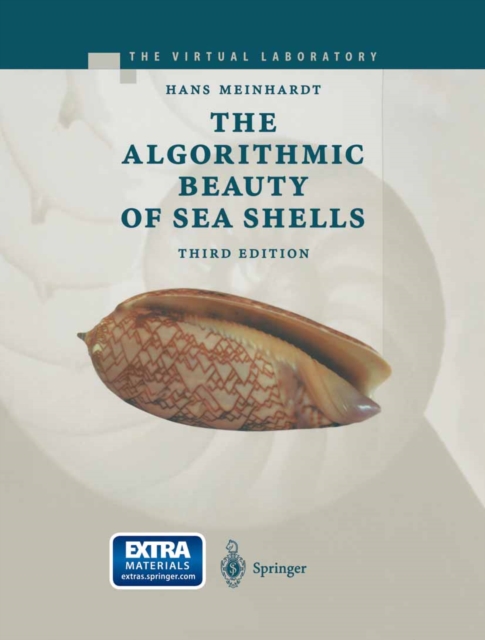
As mentioned repetitively in the book, the models describing shell patterning are only special applications of a mechanism developed to account for biological pattern formation in general.
Flow cytometric analysis of molecular, biochemical, genetic and developmental parameters using cellular fluorescence techniques as well as fluorescence-activated (FACS) or magnetic (MACS) cell sorting technologies provide unique options for molecular and cellular biology.
The aim of this book is quite ambitious: here, we attempt to bridge the gap between soH physicists, agronomists, horticulturists, hydraulic engineers, de- signers, manufacturers and users of drip irrigation systems.
A look at the shelves of a major library awakens doubts in the author of this small volume about the importance of writing a new introduction to peptide synthesis.
Physiology and biochemistry of male reproductive function and semen became the main area of my research in 1944, after my attention was finally diverted frorp.
The establishment of microinjection protocols about 20 years ago for cultured cells and shortly thereafter for the generation of transgenic mice by microinjection of DNA into fertilized mouse eggs greatly influ- enced many fields of biology.
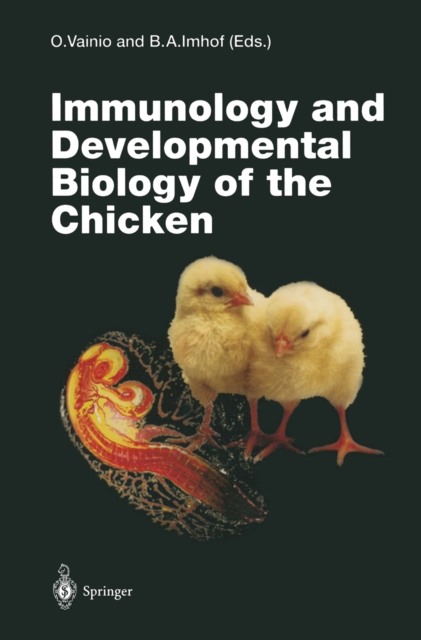
The chicken is a useful model for research into the basic features of immunology because its immune system functions in a way similar to that of human beings and because the chicken embryo is easily accessed experimentally.
In this laboratory "e;cook-book"e;, the authors provide a concise guide to PCR-based techniques to quantify nucleic acids in biological and clinical samples using exclusively nonradioactive detection methods, e.
Although previously thought to be merely passive structural components, membrane lipids have recently been found to be actively involved in cellular transport and signal transduction processes.
Molecular biological techniques such as DNA/RNA extraction and purification, and especially the polymerase chain reaction, PCR, are rapidly gaining interest also in related fields, such as microbiology or environmental sciences.
The long-term storage and maintenance of viable plant cells and organs is an area of active concern across the range of pure and applied plant sciences.
The first experiments with neural transplantation into the brain (for a review, see Bjorklund and Stenevi 1985) were reported at the end of the last century by Thompson (1890), who took cortical tissue from adult cats and implanted the tissue pieces into the neocortex of adult dogs.
The containment of cell growth is at the core of the homeostatic regulation of metazoans, and considerable progress has been made in the understanding of how this is achieved.
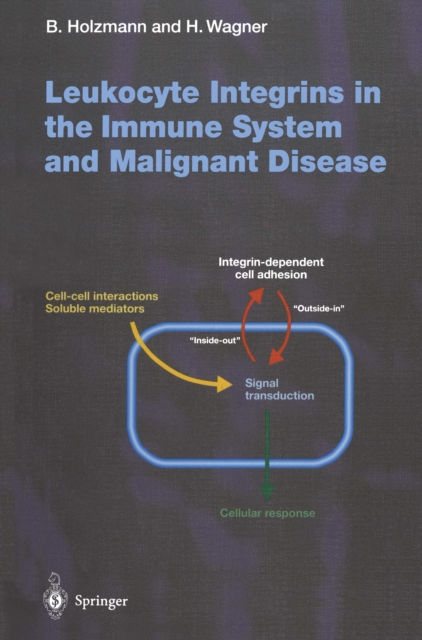
Most lymphocytes recirculate throughout the body, migrating from blood through organized lymphoid tissues such as lymph nodes (LN) and Peyer's patches (PP), then to lymph and back to blood (GOWANS and KNIGHT 1964).