Mycology, the study of fungi, originated as a subdiscipline of botany and was a descrip- tive discipline, largely neglected as an experimental science until the early years of this century.
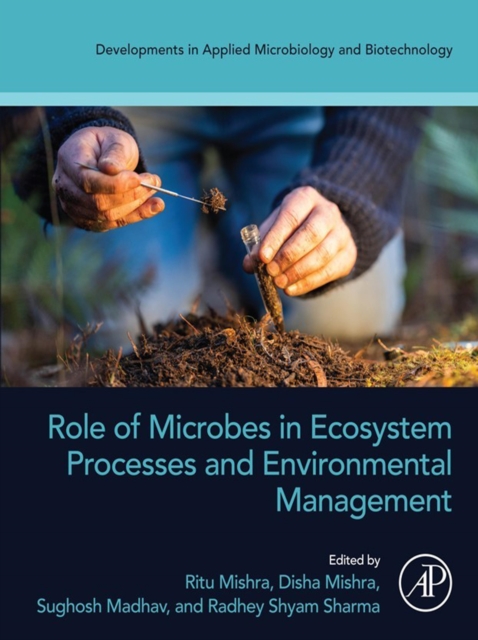
Role of Microbes in Ecosystem Processes and Environmental Management explores microbial ecology and its impact on ecosystem processes while also highlighting the latest advancements in the application of microbes in environmental management and other industries.
This volume covers the latest advancements in the study of retinal gene therapy and addresses critical aspects of the gene therapy development pipeline.
This volume covers the latest advancements in the study of retinal gene therapy and addresses critical aspects of the gene therapy development pipeline.
Plants, being sessile organisms, are subjected to diverse biotic and abiotic stresses, and today climate change has resulted in a significant increase in incidences of abiotic stresses, which have strong impact on agriculture and food security.
This book discusses the sustainability challenges of small-scale fisheries in the Sundarbans, examining the socioecological dynamics and management approaches in this complex transboundary ecosystem shared between India and Bangladesh.
Oral Cancer and Artificial Intelligence: Transforming Diagnosis, Treatment, and Research explores the intersection of artificial intelligence (AI) and oral cancer care.
ONE OF NEW SCIENTIST'S BEST BOOKS OF THE YEAR SO FAR : 'Serious and impressive Critchlow deserves praise for her rigour and optimism'THE INSTANT SUNDAY TIMES BESTSELLERDiscover the powerful, practical and optimistic guide to strengthening your mind for the modern world and thriving in the age of AI, from acclaimed neuroscientist and Sunday Times bestselling author Dr Hannah Critchlow.
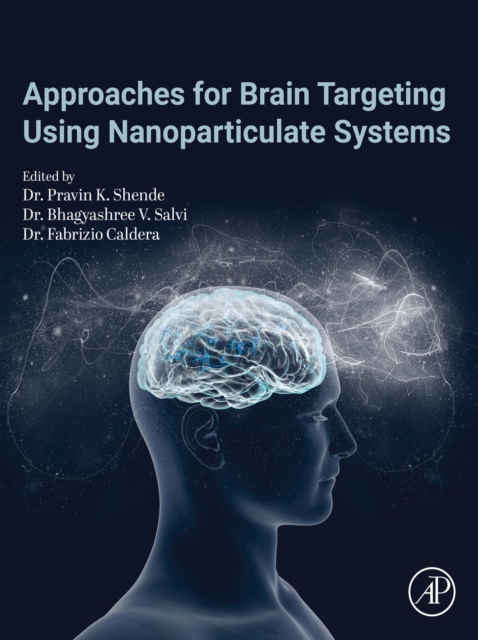
Approaches for Brain Targeting Using Nanoparticulate Systems aims to explore variety of nanoparticulate systems in the enhancement of therapeutic delivery, promotion for effective brain targeting, and reduction in the off-targets.
Key Topics in Memory explores the essential role of memory in human cognition, and how it connects us to the past, grounds us in the present, and guides our anticipation of the future.
yd T Cell Cancer Immunotherapy: Evidence-Based Perspectives for Clinical Translation sets out and critically discusses the current clinical and relevant preclinical yd T cell immunotherapy landscape.
Key Topics in Memory explores the essential role of memory in human cognition, and how it connects us to the past, grounds us in the present, and guides our anticipation of the future.
yd T Cell Cancer Immunotherapy: Evidence-Based Perspectives for Clinical Translation sets out and critically discusses the current clinical and relevant preclinical yd T cell immunotherapy landscape.
This book offers a definitive and comprehensive exploration of precision medicine, capturing both its foundational principles and cutting-edge innovations.
This book offers a definitive and comprehensive exploration of precision medicine, capturing both its foundational principles and cutting-edge innovations.
This book, part of the Clean Energy Production Technologies book series, explores the crucial role of low-carbon hydrogen in the global shift towards sustainable energy solutions, addressing the need to mitigate climate change.
Advanced Extraction Techniques: Anti-Doping & Forensic Approaches for Drug Testing delivers a comprehensive and practical guide to the modern extraction strategies essential for detecting drugs and toxic agents in complex biological matrices.
This book, part of the Clean Energy Production Technologies book series, explores the crucial role of low-carbon hydrogen in the global shift towards sustainable energy solutions, addressing the need to mitigate climate change.
Cell Death, Part A, Volume 205 explores the diverse mechanisms and methodologies underlying cell death, providing an up-to-date resource for researchers and clinicians in the biomedical sciences.
Artificial Intelligence for Multi-omics Analysis, Part A, Volume 221 in the Progress in Molecular Biology and Translational Science series, highlights new advances in the field, with this new volume presenting interesting chapters on topics such as an Introduction to Artificial Intelligence in Multi-omics Analysis, Multi-omics application in health and diseases, Artificial Intelligence in Genomics Analysis, Artificial Intelligence in Single-cell and Spatial Transcriptomics Data, Artificial Intelligence in the prediction of 3D chromatin structure and gene regulation, Artificial intelligence in Mass Spectrometry-based Proteomics, Integrating Artificial Intelligence into Metabolomics for Predicting Diseases, and more.
Multimodal Data Fusion in Healthcare: AI Approaches for Precision Diagnosis explores the transformative potential of AI in modern medicine by integrating diverse data sources such as medical imaging, genomics, EHRs, and wearable sensors.
Biophysics of Tissue Self-Organization in Morphogenesis: The Role of Dynamics Along the Biointerface delves into the interactions between tissue and the extracellular matrix.
Advanced Extraction Techniques: Anti-Doping & Forensic Approaches for Drug Testing delivers a comprehensive and practical guide to the modern extraction strategies essential for detecting drugs and toxic agents in complex biological matrices.
Reverse Aging: Current Research and Future Directions explores the integrated approach of aging and reverse aging to present a comprehensive understanding of the biological, genetic, and molecular mechanisms associated with aging.