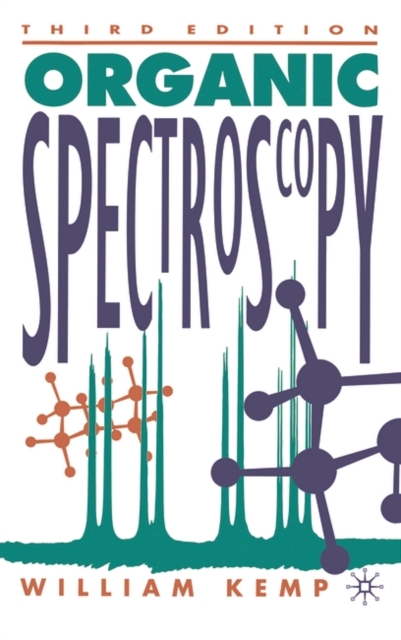
This latest edition of the highly successful text Organic Spectroscopy continues to keep both student and researcher informed of the most recent developments in the various fields of spectroscopy.
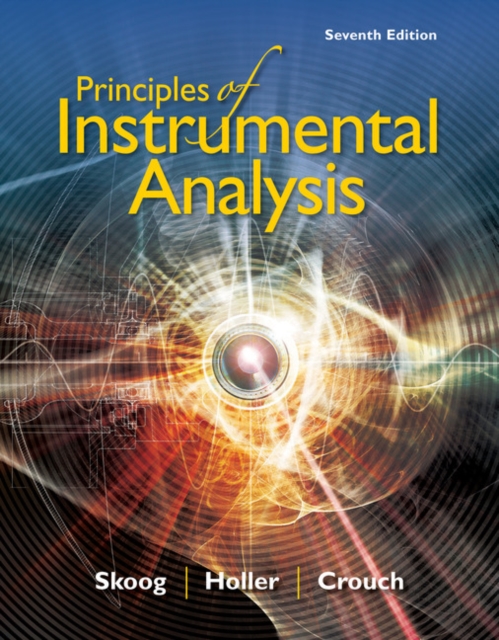
PRINCIPLES OF INSTRUMENTAL ANALYSIS, 7th Edition, places an emphasis on operating principles of each type of instrument, its optimal area of application, its sensitivity, its precision, and its limitations.
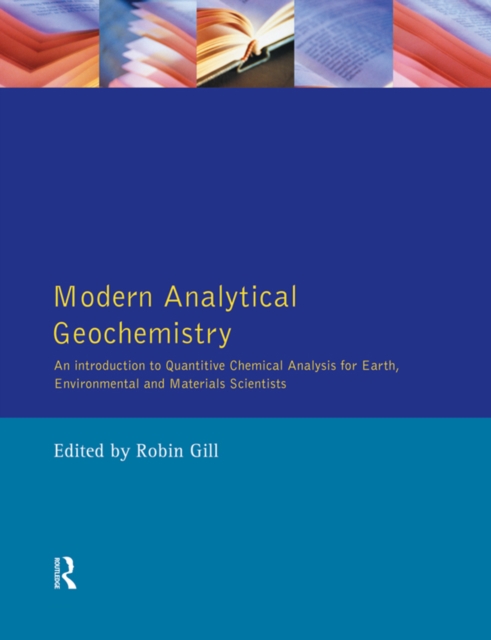
A comprehensive handbook of analytical techniques in geochemistry which provides the student and the professional with an understanding of the wide spectrum of different analytical methods that can be applied to Earth and environmental materials, together with a critical appreciation of their relative merits and limitations.
A comprehensive handbook of analytical techniques in geochemistry which provides the student and the professional with an understanding of the wide spectrum of different analytical methods that can be applied to Earth and environmental materials, together with a critical appreciation of their relative merits and limitations.
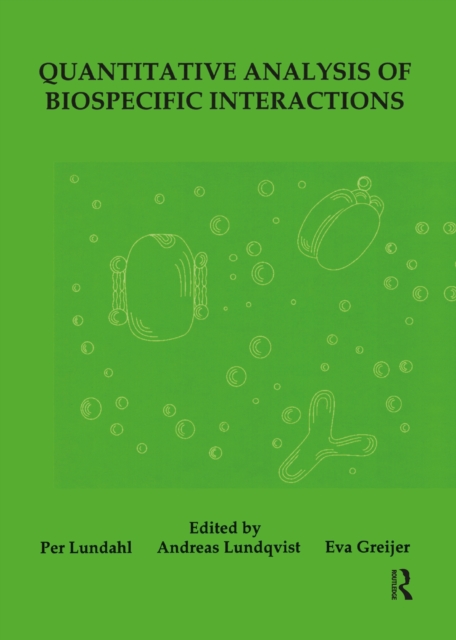
First published in 2004, this book collects several up-to-date methods for quantitative analysis of biospecific interactions, a field that has a long history that perhaps can be said to have begun with the classical paper of G.
First published in 2004, this book collects several up-to-date methods for quantitative analysis of biospecific interactions, a field that has a long history that perhaps can be said to have begun with the classical paper of G.
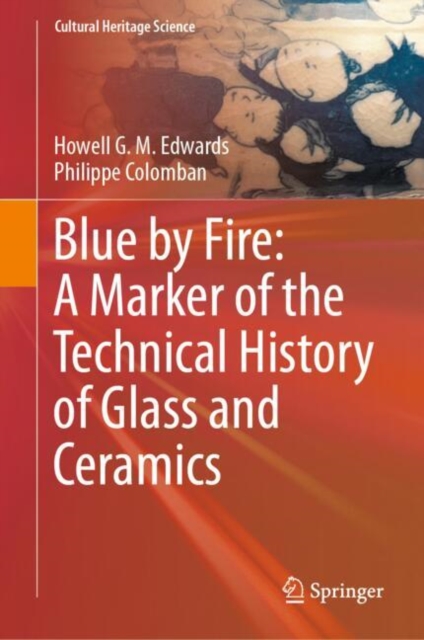
The use of natural mineral and synthetic blue pigments in antiquity for wall paintings and illuminated manuscript historiation evolved into the most suitable blue pigments for the decoration of glazed and enamelled wares (ceramics, glass and metal) which required a stability at the high temperatures of the kilns used for glazing and firing.
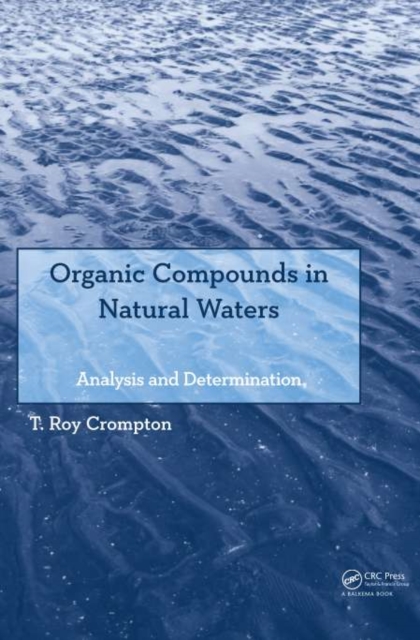
The potential health hazards that might arise from the presence of organic substances in water are a matter of increasing concern to the water industry, environmentalists and the general public alike.
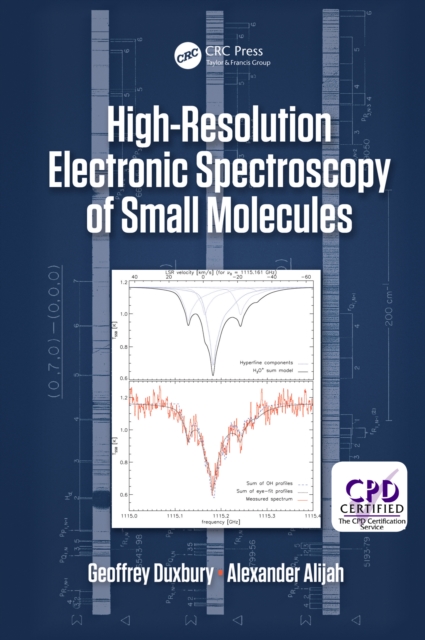
Over recent years electronic spectroscopy has developed significantly, with key applications in atmospheric chemistry, astrophysics and astrochemistry.
The presence of concentrations of organic substances and cations in sea water is a matter of increasing concern to the water industry, environmentalists and the general public alike.
For more than four decades, scientists and researchers have relied on the Advances in Chromatography series for the most up-to-date information on a wide range of developments in chromatographic methods and applications.
A follow-up to the experimental and instrumental aspects described in Basic Principles of Analytical Ultracentrifugation, the volume Sedimentation Velocity Analytical Ultracentrifugation: Discrete Species and Size-Distributions of Macromolecules and Particles describes the theory and practice of data analysis.
Conjugated polymeric materials and their nanocomposites are widely used for the creation of alternative sources of renewable energy, cell phone screens, mobile gadgets, video players and OLED-TV, as well as organic diodes, transistors, sensors, etc.
Toxins and Other Harmful Compounds in Foods provides information on the contents, distribution, chemical properties, and biological activity of toxins and other harmful compounds in foods that are natural components of the raw materials, accumulated due to microbial actions and environmental pollution, or are generated due to processing.
Since the Second World War, the field of ion exchange has taken a dominant role in offering solutions to many problems in the developed and developing world.
This book presents state-of-the-art contributions related to advanced structural characterization techniques in the field of clean energy materials with particular emphasis on solid oxide fuel cells and hydrogen storage materials.
Over the past decade, fluorine (19F) magnetic resonance imaging (MRI) has garnered significant scientific interest in the biomedical research community owing to the unique properties of fluorinated materials and the 19F nucleus.
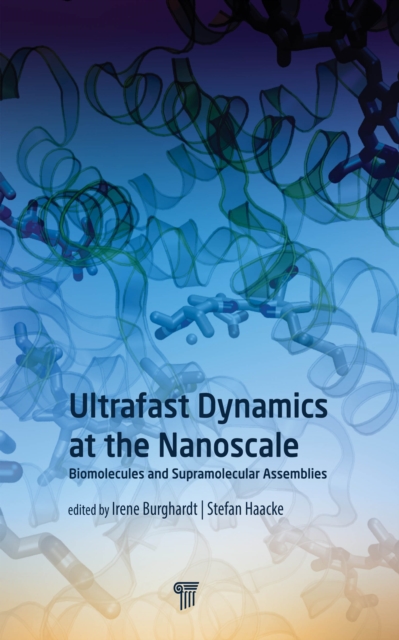
Ultrafast Dynamics at the Nanoscale provides a combined experimental and theoretical insight into the molecular-level investigation of light-induced quantum processes in biological systems and nanostructured (bio)assemblies.
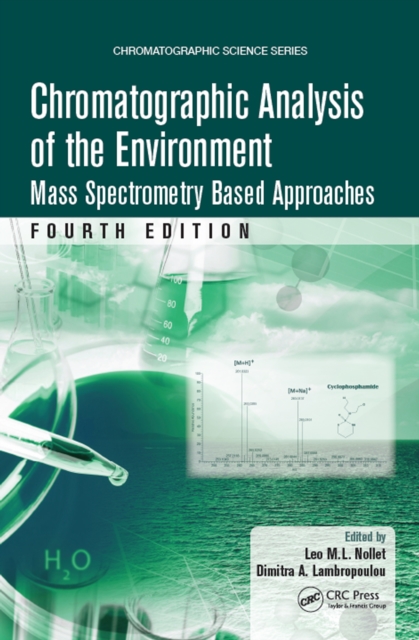
This detailed handbook covers different chromatographic analysis techniques and chromatographic data for compounds found in air, water, and soil, and sludge.
This detailed handbook covers different chromatographic analysis techniques and chromatographic data for compounds found in air, water, and soil, and sludge.
Analytical chemistry today is almost entirely instrumental analytical chemistry and it is performed by many scientists and engineers who are not chemists.
Analytical chemistry today is almost entirely instrumental analytical chemistry and it is performed by many scientists and engineers who are not chemists.
Spectroscopic Tools and Techniques for Analysis of Dental Materials: Current Trends introduces the dental materials and spectroscopic techniques applied for the analysis of such materials, including ceramic, metallic, polymeric and composites.
Put ideas into practice using theoretical concepts and real-life examples The MBA Handbook, 9th Edition by Cameron is a vital resource for MBA and other postgraduate management students to gain maximum learning benefit from their programme.
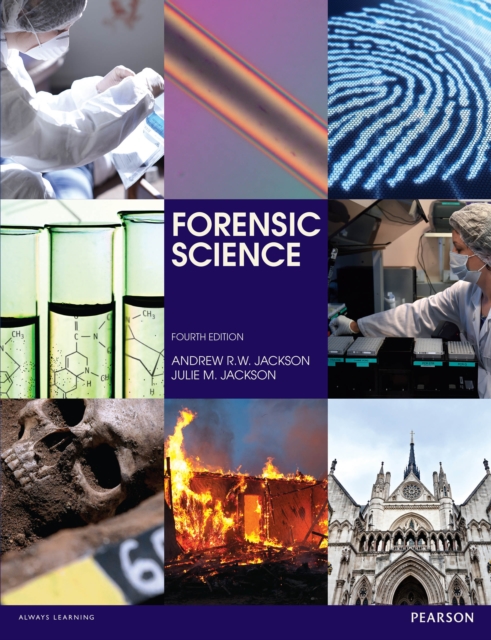
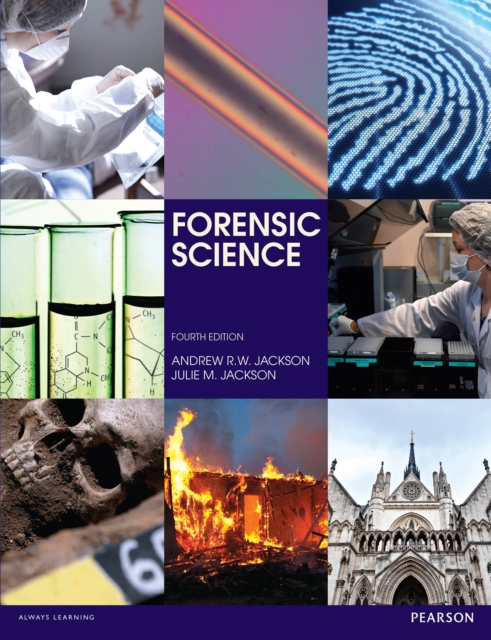
If you are studying forensic science, or a related course such as forensic chemistry or biology, then this book will be an indispensable companion throughout your entire degree programme.
The full text downloaded to your computer With eBooks you can: search for key concepts, words and phrases make highlights and notes as you study share your notes with friends eBooks are downloaded to your computer and accessible either offline through the Bookshelf (available as a free download), available online and also via the iPad and Android apps.
Sensing of Deadly Toxic Chemical Warfare Agents, Nerve Agent Simulants, and their Toxicological Aspects provides a general overview of the development and performance of different novel molecular frameworks as potent vehicles for sensing Chemical Weapons (CWs).
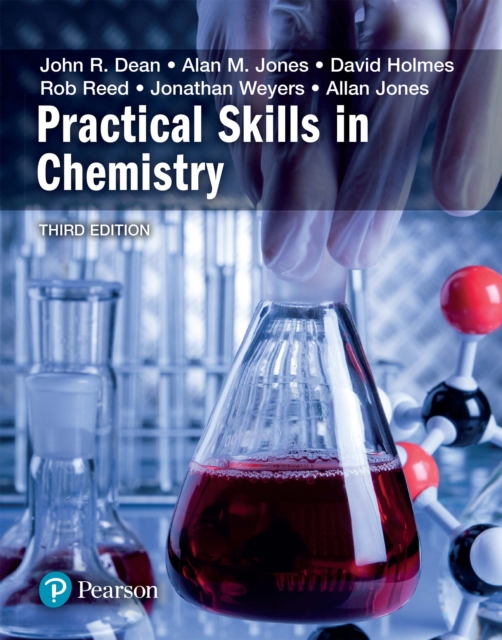
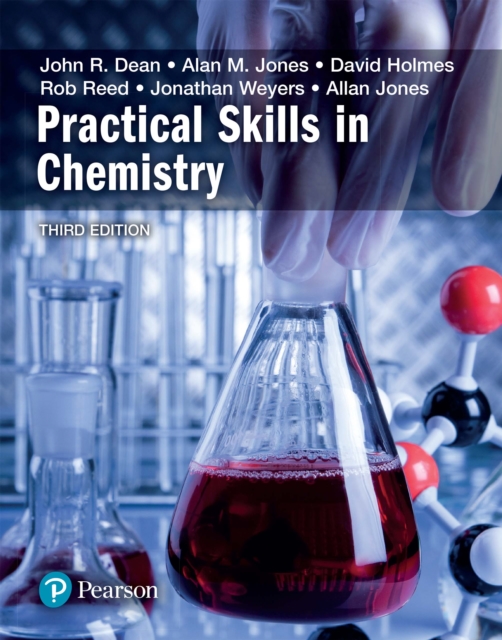
With decades of combined experience as science teachers at both school and undergraduate levels, the authors have recognised that one of the greatest challenges faced by students studying chemistry is grasping the complexity of the numerous numerical problems found in most parts of the subject.
This book provides a theoretical background to X-ray photoelectron spectroscopy (XPS) and a practical guide to the analysis of the XPS spectra using the RxpsG software, a powerful tool for XPS analysis.
Stimulated Raman Scattering Microscopy: Techniques and Applications describes innovations in instrumentation, data science, chemical probe development, and various applications enabled by a state-of-the-art stimulated Raman scattering (SRS) microscope.
Nuclear Magnetic Resonance spectroscopy is a dynamic way for scientists of all kinds to investigate the physical, chemical, and biological properties of matter.