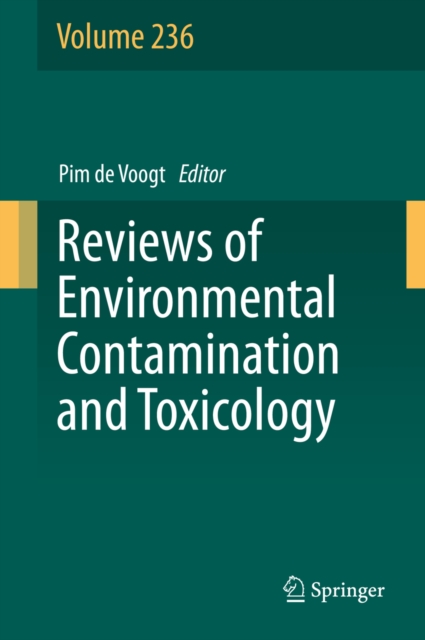
Reviews of Environmental Contamination and Toxicology attempts to provide concise, critical reviews of timely advances, philosophy and significant areas of accomplished or needed endeavor in the total field of xenobiotics, in any segment of the environment, as well as toxicological implications.
In this book the authors go back to basics to describe the structural differences between dyes and pigments, their mechanisms of action, properties and applications.
This book discusses how emerging groundwater risks under current and potential climate change conductions reduce available groundwater resources for domestic use, and agriculture and energy production.
Twenty-three carefully selected, peer-reviewed contributions from the International Conference on Pure and Applied Chemistry (ICPAC 2014) are featured in this edited book of proceedings.
Reviews of Environmental Contamination and Toxicology attempts to provide concise, critical reviews of timely advances, philosophy and significant areas of accomplished or needed endeavor in the total field of xenobiotics, in any segment of the environment, as well as toxicological implications.
Since the industrial revolution, chlorine remains an iconic molecule even though its production by the electrolysis of sodium chloride is extremely energy intensive.
This volume deals with substances in the liquid state that range from high melting salts, such as calcium fluoride, through slags, such as silicates, down to lower melting salts, such as lithium nitrate, molten hydrated salts, such as magnesium chloride hexahydrate, to room temperature ionic liquids, such as 1,3-dimethylimmidazolium tetraphenylborate.
Thisvolume focuses on practical aspects of sustainable water management in urbanareas and presents a discussion of key concepts, methodologies, and casestudies of innovative and evolving technologies.
While books on semiconductor TiO2 photocatalysis are legion, nanostructured controlled photocatalysts are attractive beyond standard semiconductors, and this book is devoted to the many novel uses of advanced TiO2 and MOF-based photocatalysts.
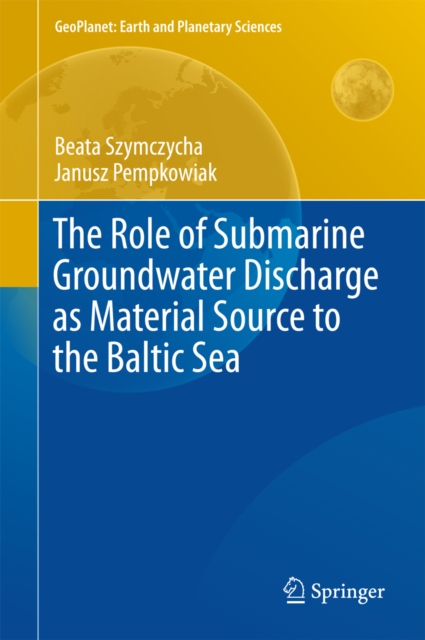
The book provides a review of experimental methods and presents the worldwide newest literature regarding chemical substances fluxes via submarine groundwater discharge (SGD).
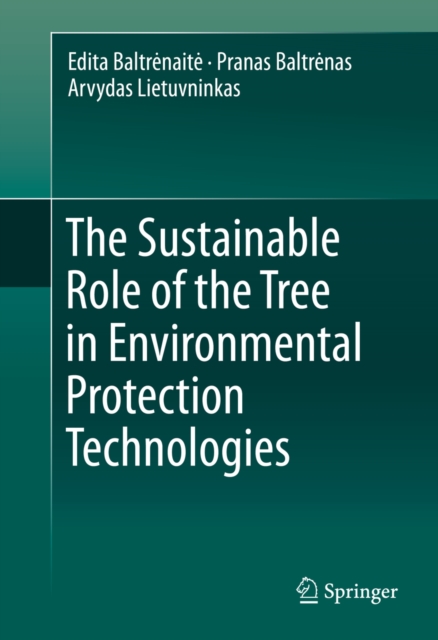
This monograph describes ways of using trees and their byproducts in environmental protection technologies and methodologies throughout their lifecycles.
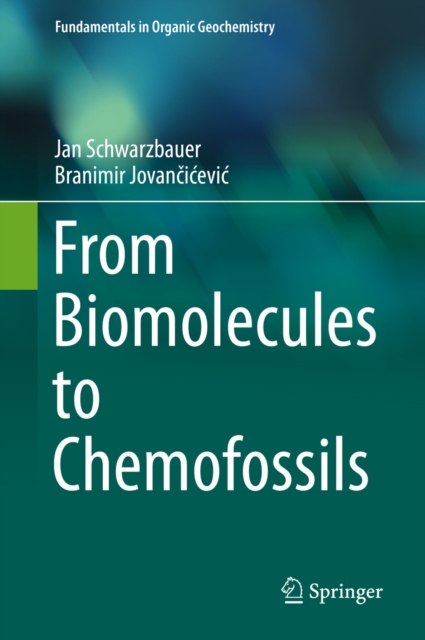
This second volume in the series 'Fundamentals in Organic Geochemistry' focusses on molecular chemical aspects introducing the structural diversity of natural products, their fate in the sedimentary systems and the consequences of the corresponding alterations for geoscientific questions.
This significantly updated edition looks at each stage in the life cycle of petroleum products, from exploration to end use, examining the environmental pressures on the oil industry and its response.
In this brief, a comprehensive review of the UV/visible-TiO2 photocatalytic oxidation process is presented with an insight into the mechanisms involved, the role of titanium dioxide as a catalyst, irradiation sources, types of reactors, and a comparison between various modes of TiO2 application.
This book details theexperiences gained by the Catalan Water Agency (ACA) in a Mediterraneanwatershed the Catalan River Basin District following the launch of the EUWater Framework Directive (WFD) in the year 2000.
This volume offers a review of measures taken at different levels to prevent oil inputs to the North Sea from sources such as shipping and oil installations.
This book details theexperiences gained by the Catalan Water Agency (ACA) in a Mediterraneanwatershed the Catalan River Basin District following the launch of the EUWater Framework Directive (WFD) in the year 2000.
Reviews of Environmental Contamination and Toxicology attempts to provide concise, critical reviews of timely advances, philosophy and significant areas of accomplished or needed endeavor in the total field of xenobiotics, in any segment of the environment, as well as toxicological implications.
This book provides extensive and comprehensive information to researchers and academicians who are interested in radionuclide contamination, its sources and environmental impact.
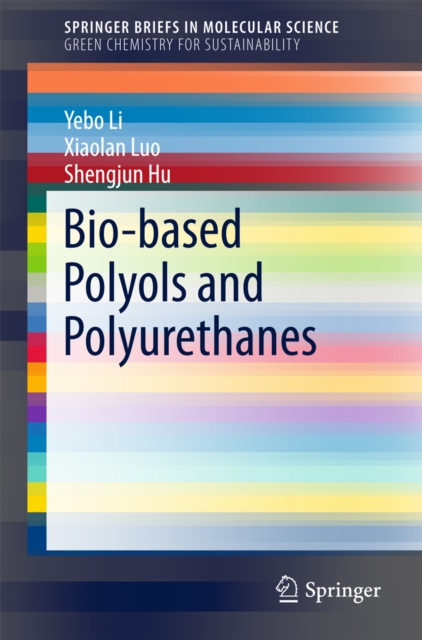
This brief outlines the most recent advances in the production of polyols and polyurethanes from renewable resources, mainly vegetable oils, lignocellulosic biomass, starch, and protein.
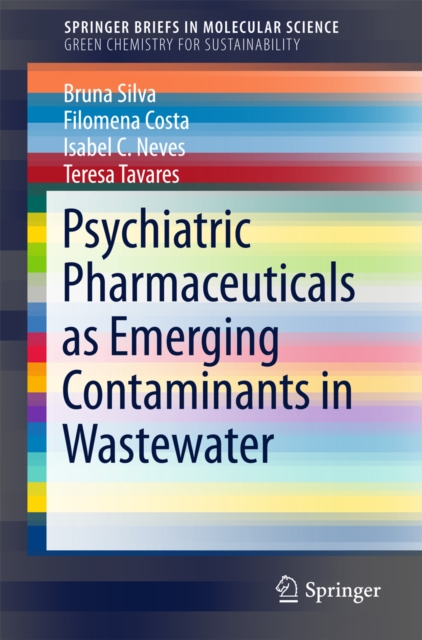
This book describes how psychiatric pharmaceuticals, namely antidepressants, anxiolytics, sedatives and hypnotics are among the most prescribed active substances due to the higher occurrence of psychiatric disorders throughout the world.
Reviews of Environmental Contamination and Toxicology provides concise, critical reviews of timely advances, philosophy and significant areas of accomplished or needed endeavor in the total field of xenobiotics, in any segment of the environment, as well as toxicological implications.
This book presents advanced methods to analyse and clean pollutants, such as nanotechnology to treat water, techniques to remediate building materials, and bioindicators.
This volume offers an overview of the occurrence and distribution of personal care products in continental and marine waters, presents analytical methods and degradation technologies and discusses their impact on human health.
This book features in-depth and thorough coverage of Minimum Impact Mill Technologies which can meet the environmental challenges of the pulp and paper industry and also discusses Mills and Fiberlines that encompass "e;State-of-the-Art"e; technology and management practices.
This volume provides a comprehensive overview of advanced research in the field of efficient, clean and renewable energy production, conversion and storage.
This book serves as a timely and comprehensive overview of the latest science for perfluoroalkyl and polyfluoroalkyl substances (PFASs), covering the development of methods for assessing PFASs in biological fluids and tissues as well as the current knowledge regarding their toxicity to vertebrate organisms.
This volume offers a comprehensive overview of advanced research in the field of environmental green chemistry for air, soil and water pollutants, and presents emerging technologies on the chemical treatment of polluted sites and wastes.
The first volume in this new text book series covers comprehensively relevant aspects related to the appearance and characterisation of fossil matter in the geosphere such as kerogen, oil, shales and coals.
Reviews of Environmental Contamination and Toxicology attempts to provide concise, critical reviews of timely advances, philosophy and significant areas of accomplished or needed endeavor in the total field of xenobiotics, in any segment of the environment, as well as toxicological implications.
Reviews of Environmental Contamination and Toxicology attempts to provide concise, critical reviews of timely advances, philosophy and significant areas of accomplished or needed endeavor in the total field of xenobiotics, in any segment of the environment, as well as toxicological implications.
Reviews of Environmental Contamination and Toxicology attempts to provide concise, critical reviews of timely advances, philosophy and significant areas of accomplished or needed endeavor in the total field of xenobiotics, in any segment of the environment, as well as toxicological implications.