Many controversial issues revolve around complex scientific arguments which can be better understood with at least a minimal knowledge and understanding of the chemical reactions and processes going on in the world around us.
This detailed volume examines the complex study of the assessment of in situ bioavailability and toxicity of organic chemicals in aquatic systems with a toolbox of reliable techniques.
Toxic metals are a class of chemical elements that, in certain concentrations, can cause damage to the health of humans and animals, in addition to impacting ecosystems.
Toxic metals are a class of chemical elements that, in certain concentrations, can cause damage to the health of humans and animals, in addition to impacting ecosystems.
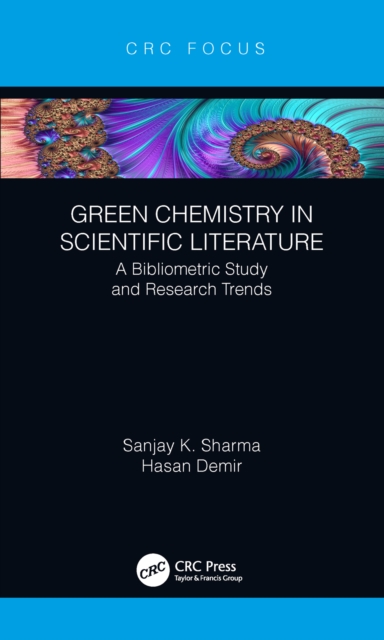
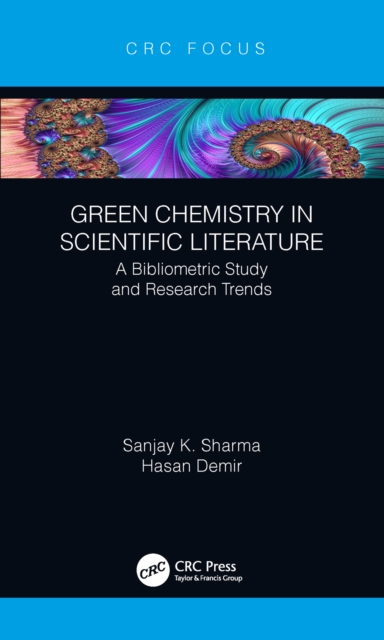
The study covers recent statistical data of the principles of Green Chemistry, a bibliometric study of research and review papers published between 1999 and 2018, and recent trends of research topics on Green Chemistry.
The study covers recent statistical data of the principles of Green Chemistry, a bibliometric study of research and review papers published between 1999 and 2018, and recent trends of research topics on Green Chemistry.
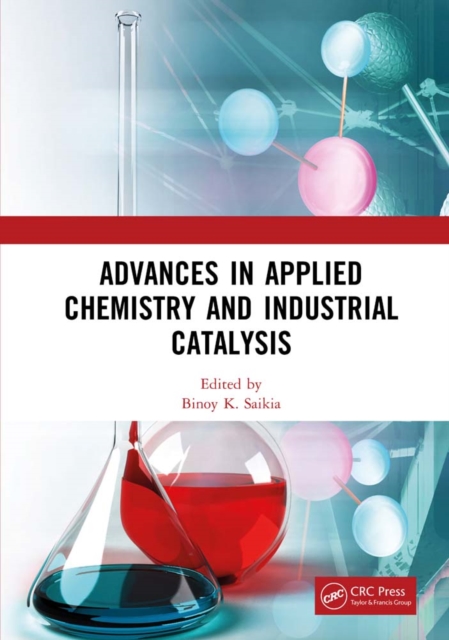
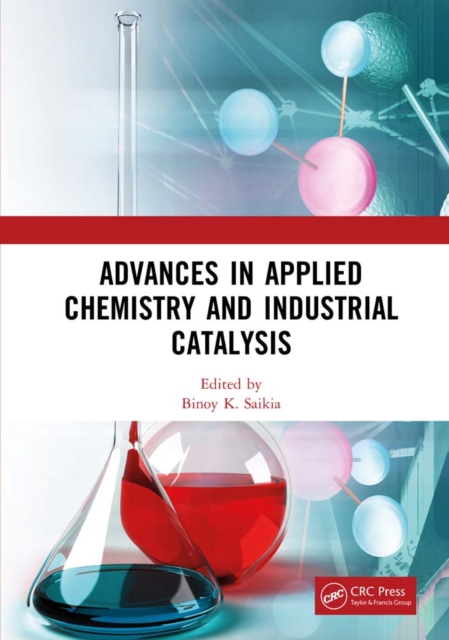
Presenting a collection of papers resulting from the conference on "e;Applied Chemistry and Industrial Catalysis (ACIC 2021), Qingdao, China, 24-26 December 2021"e;.
Presenting a collection of papers resulting from the conference on "e;Applied Chemistry and Industrial Catalysis (ACIC 2021), Qingdao, China, 24-26 December 2021"e;.
This important volume-the product of a meeting of a select group of scientists-provides the most recent research results from the world's leaders in the study of toxic pollutants in sediments.
This important volume-the product of a meeting of a select group of scientists-provides the most recent research results from the world's leaders in the study of toxic pollutants in sediments.
Endocrine Disrupting Chemicals (EDCs) have been shown to produce changes in the endocrine system of organisms, leading to increases in cancers and abnormalities in reproductive structure and function.
First published in 1992, Environmental Particles describes properties, roles, and methods for the characterization of environmental particles in air, water, sediment, and soil.
First published in 1992, Environmental Particles describes properties, roles, and methods for the characterization of environmental particles in air, water, sediment, and soil.
A wide-ranging compilation of techniques, Extrapolation Practice for Ecotoxicological Effect Characterization of Chemicals describes methods of extrapolation in the framework of ecological risk assessment.
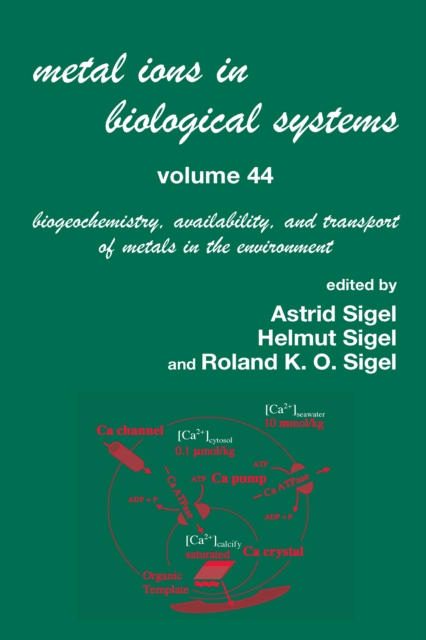
Volume 44, devoted solely to the vital research areas concerning the biogeochemistry of metals and their transport in the environment and availability to living systems, offers 9 timely and authoritative chapters on these fascinating topics by 19 internationally recognized experts.
Microbial Biodegradation and Bioremediation: Techniques and Case Studies for Environmental Pollution, Second Edition describes the successful application of microbes and their derivatives for bioremediation of potentially toxic and relatively novel compounds in the environment.
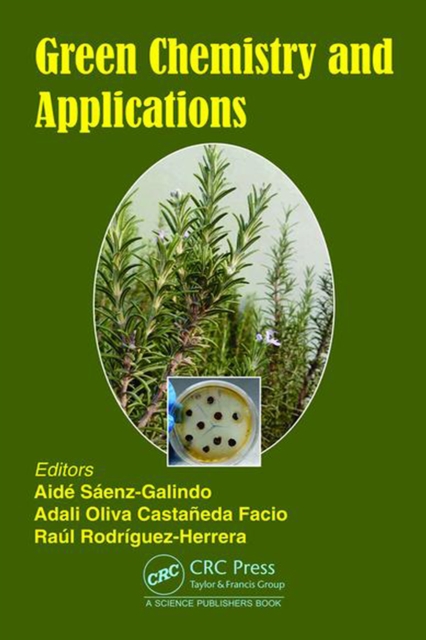
This book provides an interdisciplinary, integrative overview of environmental problem-solving using mild reaction conditions, green reagents, waste free and energy efficient synthesis in both industry and academic world.
This book provides an interdisciplinary, integrative overview of environmental problem-solving using mild reaction conditions, green reagents, waste free and energy efficient synthesis in both industry and academic world.
Designed to demystify chemistry for the non-chemist, Rapid Review of Chemistry for the Life Sciences and Engineering is a useful reference manual for life scientists and engineers, who may have forgotten a formula, principle, or concept in the college chemistry taken a few years ago.
Designed to demystify chemistry for the non-chemist, Rapid Review of Chemistry for the Life Sciences and Engineering is a useful reference manual for life scientists and engineers, who may have forgotten a formula, principle, or concept in the college chemistry taken a few years ago.
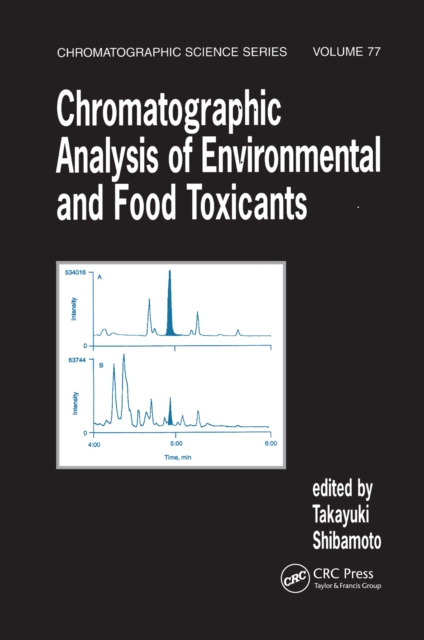
This volume provides up-to-date information on the developments in chromatographic methods and applications to provide readers with stimulating, critical, readable, and relevant reviews of this subject.
This volume provides up-to-date information on the developments in chromatographic methods and applications to provide readers with stimulating, critical, readable, and relevant reviews of this subject.
Persistent Organic Pollutants (POPs) are toxic, degradation resistant, bio accumulative, and display wide spatial distribution which has been linked to mutagenic, reproductive and immunological disorders.
Persistent Organic Pollutants (POPs) are toxic, degradation resistant, bio accumulative, and display wide spatial distribution which has been linked to mutagenic, reproductive and immunological disorders.
Understanding Risk to Wildlife from Exposures to Per- and Polyfluorinated Alkyl Substances (PFAS) provides the most recent summary of toxicity data relevant to mammals, birds, reptiles, and amphibians, and provides values for use in risk assessment applications.
Understanding Risk to Wildlife from Exposures to Per- and Polyfluorinated Alkyl Substances (PFAS) provides the most recent summary of toxicity data relevant to mammals, birds, reptiles, and amphibians, and provides values for use in risk assessment applications.
The Natural Geochemistry of Our Environment shows that the Earth is a water world, whose water is transformed readily from the solid to the liquid to the gaseous state.
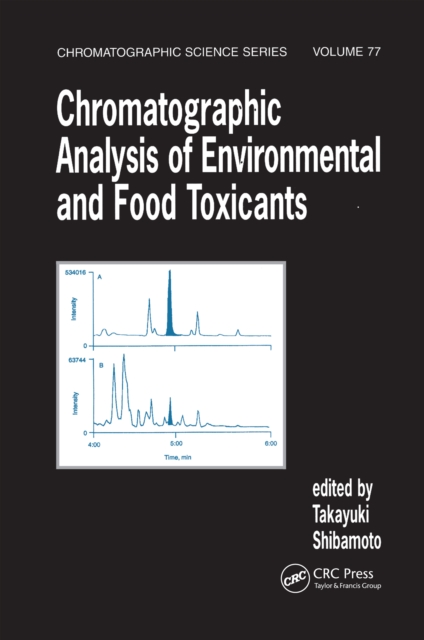
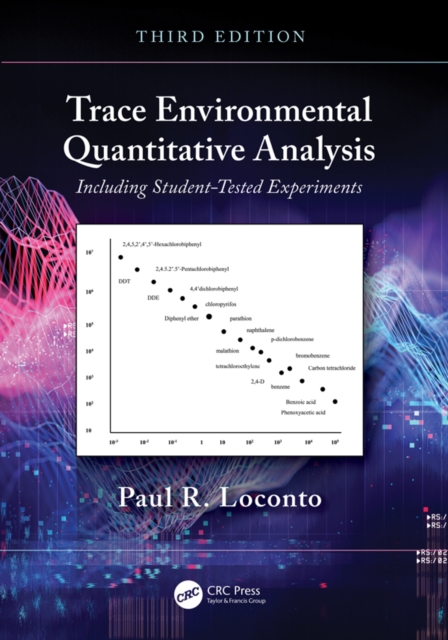
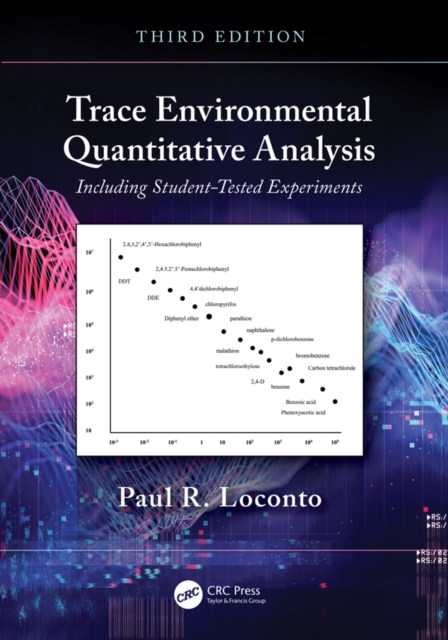
A thorough and timely update, this new edition presents principles, techniques, and applications in this sub-discipline of analytical chemistry for quantifying traces of potentially toxic organic and inorganic chemical substances found in air, soil, fish, and water, as well as serum, plasma, urine, and other body fluids.
A thorough and timely update, this new edition presents principles, techniques, and applications in this sub-discipline of analytical chemistry for quantifying traces of potentially toxic organic and inorganic chemical substances found in air, soil, fish, and water, as well as serum, plasma, urine, and other body fluids.
The Natural Geochemistry of Our Environment shows that the Earth is a water world, whose water is transformed readily from the solid to the liquid to the gaseous state.
Groundwater Geochemistry: Fundamentals and Applications to Contamination examines the integral role geochemistry play s in groundwater monitoring and remediation programs, and presents it at a level understandable to a wide audience.