Fluorine Chemistry, Volume IV provides an extensive survey and discussion on the physiological properties of fluoride ion and substances capable of producing it in aqueous solution.
Here is one of the first single-author treatments of organometallic vapor-phase epitaxy (OMVPE)--a leading technique for the fabrication of semiconductor materials and devices.
Science and Technology of Rare Earth Materials reviews the important aspects of the science and technology of rare earth materials, covering the entire spectrum from occurrence to extraction and purification, phase relationships, electronic structure, and applications.
This is one of the few books available that uses unifying theoretical concepts to present inorganic chemistry at the advanced undergraduate and graduate levels--most texts are organized around the periodic table, while this one is structured after bonding models, structure types, and reaction patterns.
Must-have reference for processes involving liquids, gases, and mixturesReap the time-saving, mistake-avoiding benefits enjoyed by thousands of chemical and process design engineers, research scientists, and educators.
Advances in Bioorganometallic Chemistry examines the synthesis, structure and reactivity of bioorganometallics, their pharmaceutical applications, hydrogenase, vitamin B12-like systems, and metalloproteins.
When this innovative textbook first appeared in 1984 it rapidly became a great success throughout the world and has already been translated into several European and Asian languages.
Sol-gel processing is a low temperature, low cost wet chemistry route to a range of different materials, particularly glassy and ceramic oxides, including nanoparticles and powders, fibers, thin films and membranes, or monoliths and composites.
Inorganic nanomaterials are an extremely broad and versatile class of materials and their enhanced chemical, thermal and mechanical stability with respect to their organic counterparts make them appealing candidates for a wide range of technological applications.
This book had its genesis in a symposium on gas hydrates presented at the 2003 Spring National Meeting of the American Institute of Chemical Engineers.
Nanostructures refer to materials that have relevant dimensions on the nanometer length scales and reside in the mesoscopic regime between isolated atoms and molecules in bulk matter.
The fields of hydrodesulfurization (HDS) and hydrodenitrogenation (HDN) continue to attract the attention of researchers in the various disciplines connected to these fascinating problems that represent two of the key outstanding chemical challenges for the petroleum refining industry in view of their very strong environmental and commercial implications.
Over the past 20 years aqueous organometallic catalysis has found applications in small- scale organic synthesis in the laboratory, as well as in the industrial production of chemicals with a combined output close to one million tons per year.
In the decade since the introduction of the first commercial lithium-ion battery research and development on virtually every aspect of the chemistry and engineering of these systems has proceeded at unprecedented levels.
In the last decade there have been numerous advances in the area of rhodium-catalyzed hydroformylation, such as highly selective catalysts of industrial importance, new insights into mechanisms of the reaction, very selective asymmetric catalysts, in situ characterization and application to organic synthesis.
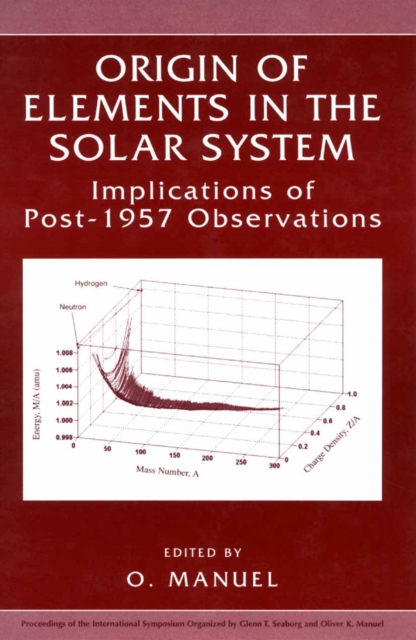
Based on an American Chemical Society Symposium organized by Professors Glenn Seaborg and Oliver Manuel, this volume provides a comprehensive record of different views on this important subject at the end of the 20th century.
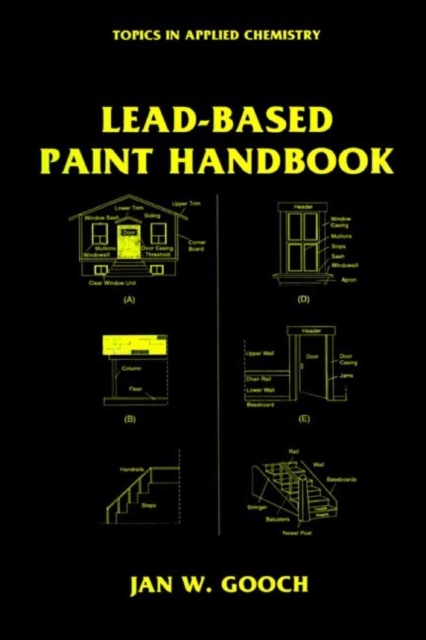
Lead-based paint has become a national issue and will continue to be a hi- priority focus ofnational, state, and local agencies until there is no lead-based paint in the United States.
Cyclic Polymers (Second Edition) reviews the many recent advances in this rapidly expanding subject since the publication of the first edition in 1986.
This text is the published version of many ofthe talks presented at two symposiums held as part of the Southeast Regional Meeting of the American Chemical Society (SERMACS) in Knoxville, TN in October, 1999.
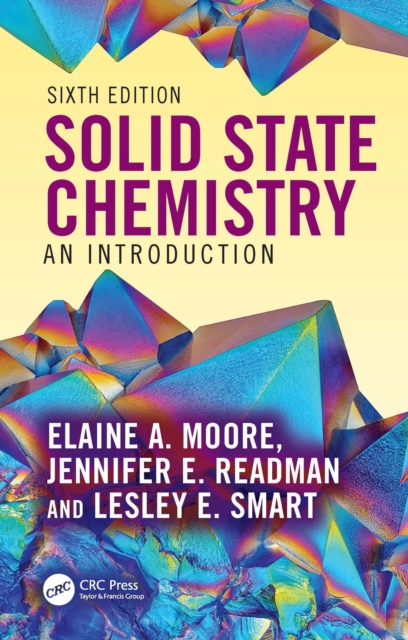
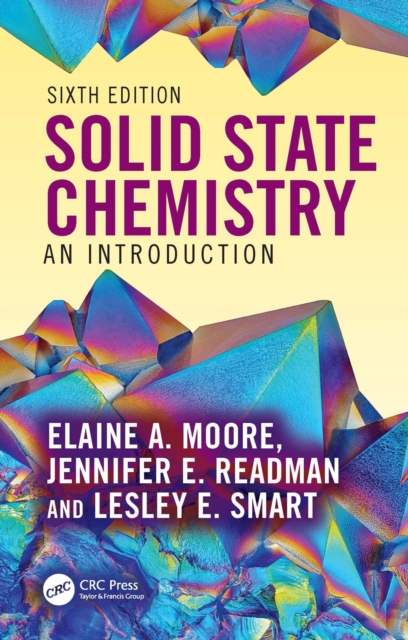
Solid State Chemistry: An Introduction 6th Edition is a fully revised edition of one of our most successful textbooks with at least 20% new information and new images of crystal structures.
With decades of combined experience as science teachers at both school and undergraduate levels, the authors have recognised that one of the greatest challenges faced by students studying chemistry is grasping the complexity of the numerous numerical problems found in most parts of the subject.
Solid State Chemistry: An Introduction 6th Edition is a fully revised edition of one of our most successful textbooks with at least 20% new information and new images of crystal structures.
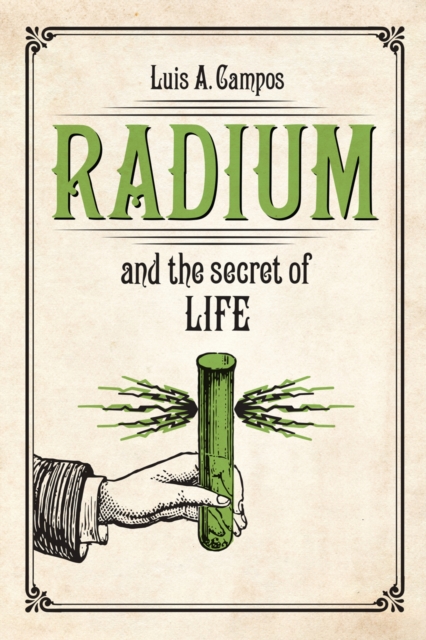
Before the hydrogen bomb indelibly associated radioactivity with death, many chemists, physicians, botanists, and geneticists believed that radium might hold the secret to life.
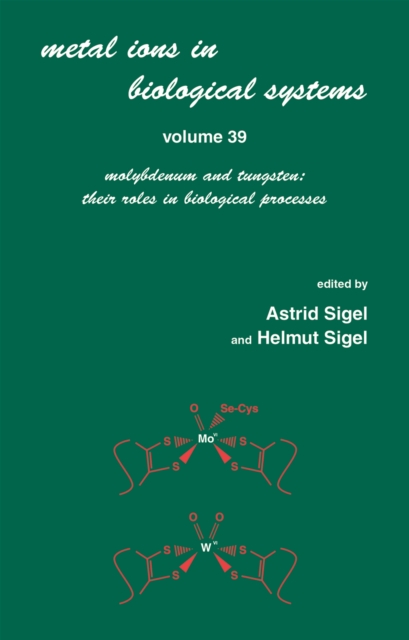
Volume 39: Molybdenum and Tungsten: Their Roles in Biological Processes is devoted soley to the vital research area on molybdenum and tungsten and their role in biology.