Introducing the application of free energy correlations to elucidating the mechanisms of organic and bio-organic reactions, this book provides a new and illuminating way of approaching a potentially complex topic.
Rheology is primarily concerned with materials: scientific, engineering and everyday products whose mechanical behaviour cannot be described using classical theories.
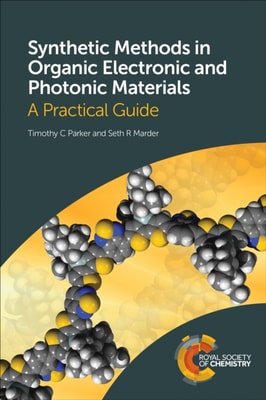
With the development of courses on materials synthesis and the need to carry out specific chemical transformations in the laboratory, good practical advice will be needed for those requiring more detail on conjugated materials synthesis.
Industrial Polymer Applications provides a comprehensive overview of the diverse properties and applications of thermoset and thermoplastic polymer technologies used routinely in the modification, protection, repair, restoration and bonding of the main classes of industrial engineering materials such as concrete, masonry, wood, metal, rubber, plastic, glass and advanced ceramics.
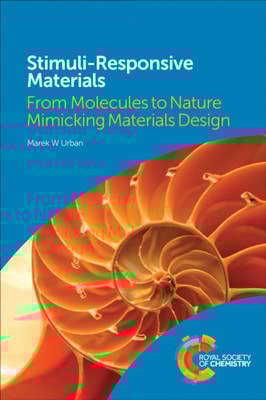
The ability for a material to change properties in response to external stimuli is an attractive feature for numerous applications and as such stimuli responsive materials are gaining attention across many different fields.
Metal-based anticancer drugs are among the most successful therapeutic agents, as evidenced by the frequent prescription of selected platinum and arsenic compounds to patients.
Smart membranes that respond to environmental stimuli are gaining attention because of their potential use in a variety of applications, from drug delivery to water treatment.
Providing an invaluable resource, this volume contains analysed, evaluated and distilled information on the latest in organometallic and coordination chemistry research and emerging fields.
This annual review of the literature presents a comprehensive and critical survey of the vast field of study involving organophosphorus compounds, from phosphines and related P-C bonded compounds to phosphorus acids, phosphine chalcogenides and nucleotides.
Catalysts are required for a variety of applications and researchers are increasingly challenged to find cost effective and environmentally benign catalysts to use.
Since the introduction of FT-NMR spectroscopy around five decades ago, NMR has achieved significant advances in hardware and methodologies, accompanied with the enhancement of spectral resolution and signal sensitivity.
Metal-based anticancer drugs are among the most successful therapeutic agents, as evidenced by the frequent prescription of selected platinum and arsenic compounds to patients.
Peptide therapy has become a key strategy in innovative drug development, however, one of the potential barriers for the development of novel peptide drugs in the clinic is their deficiencies in clearly defined chemistry, manufacturing and controls (CMC) strategy from clinical development to commercialization.
The Medicinal Chemist's Guide to Solving ADMET Challenges summarizes a series of design strategies and tactics that have been successfully employed across pharmaceutical and academic laboratories to solve common ADMET issues.
Smart membranes that respond to environmental stimuli are gaining attention because of their potential use in a variety of applications, from drug delivery to water treatment.
With synthetic implants such as hip joints, heart valves and dental crowns now routinely used in the human body for medical purposes, study of the metals, ceramics and polymers used in these repairs is more important than ever.
Thermoelectric materials have received a great deal of attention in energy-harvesting and cooling applications, primarily due to their intrinsic low cost, energy efficient and eco-friendly nature.
Cucurbiturils (CBs) are a young family of molecular containers, able to form stable complexes with various guests, including drug molecules, amino acids and peptides, saccharides, dyes, hydrocarbons, perfluorinated hydrocarbons, and proteins.
Smart materials constructed through supramolecular assemblies have been receiving considerable attention because of their potential applications, which include self-healing materials, energy storage, photonic devices, sensors and theranostics.
Fibrosis is a condition with globally high unmet medical need, and as such is a highly active area of academic and pharmaceutical research covering multiple treatment targets, organs, tissues and therapeutic approaches.
Amphiphilic polymer co-networks (APCNs) are a type of polymeric hydrogel, their hydrophobic polymer segments and hydrophilic components produce less aqueous swelling, giving better mechanical properties than conventional hydrogels.
The metal-ligand coordination of metallomacrocycles allows for the production of both discrete and infinite metallosupramolecular structures with high-degrees of complexity.
This book is aimed at informing organic chemists and natural products chemists on the use of NMR for structure elucidation to enable them to ensure they yield the most reliable possible data in the minimum possible time.
Presenting the most relevant advances for employing carbon-based nanostructured materials for analytical purposes, this book serves as a reference manual that guides readers through the possibilities and helps when selecting the most appropriate material for targeted analytical applications.