Asymmetric C-H direct functionalization reactions are one of the most active and fascinating areas of research in organic chemistry due to their significance in the construction of molecular complexity without pre-activation, and the step economy and atom economy features in potential synthetic application.
Finding alternatives to fossil feedstocks is increasing in importance with the challenges of global warming, increasing oil prices and depleting fossil fuel reserves that we currently face.
The oxidation of primary and secondary alcohols to the corresponding carbonyl compounds is of fundamental importance in organic synthesis, due to the wide use of these products as precursors and intermediates for many drugs, vitamins and fragrances.
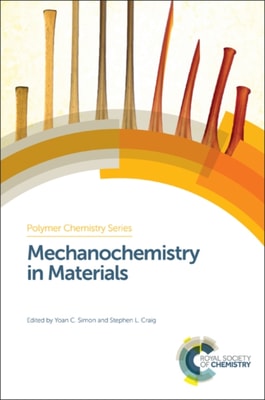
Mechanochromic fluorescent (or mechanofluorochromic) materials change their emission colours (spectra) when an appropriate external mechanical force stimulus is applied.
Formulation is a key step in the drug design process, where the active drug is combined with other substances that maximise the therapeutic potential, safety and stability of the final medicinal product.
Palladium-catalysed cross-coupling reactions constitute a powerful class of chemical methods for the creation of carbon-carbon and carbon-heteroatom bonds used in organic synthesis, famously recognized by the 2010 Nobel Prize awarded to Richard F.
With the increasing awareness and concern about the dependency on fossil resources and the depletion of crude oil reserves, experts from industrial biotechnology, renewable resources, green chemistry, and biorefineries are stimulating the transition from the fossil-based to the bio-based economy.
The unique physico-chemical properties of cationic polymers and their ability to be easily modified make them attractive for many biological applications.
Traditionally, most synthetically developed materials are hardened by heating them to an elevated temperature, a process requiring large amounts of energy and space.
Nitroxide-mediated polymerization is an important branch of controlled radical polymerization, which has revolutionised the preparation of polymer architectures and compositions.
Industrial and academic scientists face increasing challenges to find cost-effective and environmentally sound methods for converting natural resources into fuels, chemicals and energy.
Coverage in this annual review of the literature presents a comprehensive and critical survey of the vast field of study involving organophosphorus compounds, from phosphines and phosphonium salts through to phosphorus acid derivatives, nucleotides, ylides and phosphazenes.
The efficient synthesis of heterocycles has become one of the main branches in organic chemistry due to their use in the synthesis of natural products and pharmaceuticals.
Polymer science faces the challenge of meeting growing market demand for polymers whilst achieving sustainability through environmentally friendly processes.
Mechanochromic fluorescent (or mechanofluorochromic) materials change their emission colours (spectra) when an appropriate external mechanical force stimulus is applied.
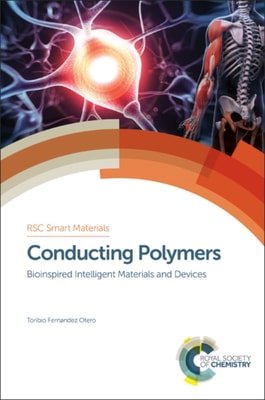
Conducting polymers are organic, conjugated materials that offer high electrical conductivity through doping by oxidation and a wide range of unique electromechanical and electrochromic characteristics.
In recent years, a significant amount of progress has been made using green chemistry in the synthesis of synthetically useful compounds and molecules by replacing hazardous chemicals with greener alternatives.
Keeping up with the literature in a fast moving science discipline can be difficult so finding a distilled view of the latest progress in an area is invaluable.
All aspects of the personal care industry will be comprehensively discussed in Polymers for Personal Care Products and Cosmetics, including biological targets, safety issues, and the legal and regulatory aspects of this large industry.
There have been many great advances in the field of biomedical imaging in recent years, with supramolecular chemistry playing a key role in the evolution of modern imaging techniques.
Organic flexible electronics represent a highly promising technology that will provide increased functionality and the potential to meet future challenges of scalability, flexibility, low power consumption, light weight, and reduced cost.
Chemistry and Technology of Plant Substances: Chemical and Biochemical Aspects demonstrates the progress and promise of developing new chemical substances from renewable sources of chemical raw materials.
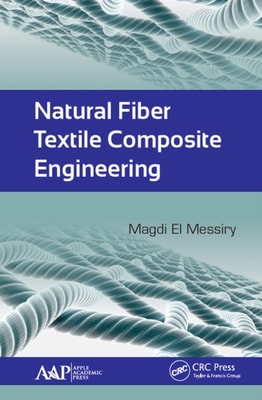
Natural Fiber Textile Composite Engineering sheds light on the area of the natural fiber textile composites with new research on their applications, the material used, the methods of preparation, the different types of polymers, the selection of raw materials, the elements of design the natural fiber textile polymer composites for a particular end use, their manufacturing techniques, and finally their life cycle assessments (LCA).
This new work, Functional Polymeric Composites: Macro to Nanoscales, focuses on new challenges, findings, opportunities, and applications in the area of polymer composites.
In this important volume, the structures and functions of these advanced polymer and composite systems are evaluated with respect to improved or novel performance, and the potential implications of those developments for the future of polymer-based composites and multifunctional materials are discussed.
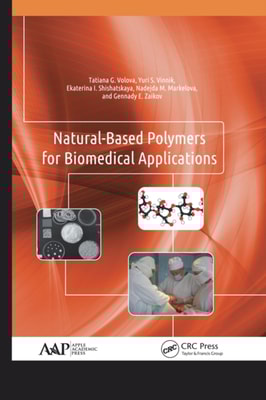
This new book presents the authors' biomedical studies of natural degradable biopolymers (polyhydroxyalkanoates [PHAs]) and discusses the demand for medical-grade materials and modern trends, focusing on the present status and future potential of PHAs.