Superionic Solids and Solid Electrolytes: Recent Trends describes the fundamental aspects, unique properties, and potential applications of superionic solids and solid electrolytes.
The Chemistry of Synthetic Dyes, Volume V is a critical assessment of patent literature and scientific journals on the synthesis and applications of synthetic dyes.
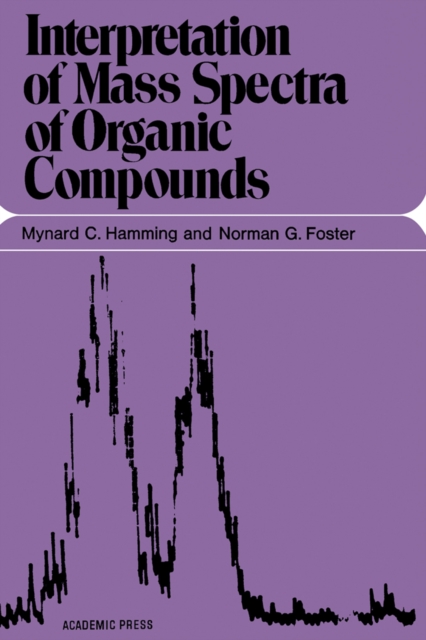
Interpretation of Mass Spectra of Organic Compounds outlines the basic instrumentation, sample handling techniques, and procedures used in the interpretation of mass spectra of organic compounds.
The Organic Chemistry of Iron, Volume 1 covers the structures and bonding and the applications of a variety of physical techniques to organo-iron compounds, optically active compounds, as well as chapters on ?
Physical Chemistry: An Advanced Treatise, Volume I: Thermodynamics deals with the applications of thermodynamics to mixtures, fluids, and solid systems at high pressures and temperatures, critical phenomena, practical handling of coupled gas equilibriums, and matter in electric, magnetic, and gravitational fields.
The Isoquinoline Alkaloids: Chemistry and Pharmacology presents an overview of the chemistry, biogenesis, spectroscopy, and pharmacology of the isoquinoline alkaloids.
Scandium provides a comprehensive review of all aspects of scandium, including its occurrence in nature; its chemical, physical and technological properties; its biological significance and toxic effects; and its applications.
Electrochemistry of Biological Molecules presents a fairly complete summary of the electrochemistry of the more important groups of nitrogen heterocyclic molecules including purines and pyrimidines and their nucleosides and nucleotides, polynucleotides and nucleic acids, pteridines, flavins, pyrroles, porphyrins, and pyridines.
Biopolymers deals with the methods of physical characterization and the principles underlying them, with emphasis on quantitative aspects of sequence, conformation, and structure in both laboratory-synthesized and native biopolymers.
Preparative Methods in Solid State Chemistry deals with the preparative methods used in solid state chemistry and highlights the importance of the chemist's role in preparing materials of desired quality as well as obtaining materials according to the requirements of the user such as the physicist.
Nuclear Spectroscopy and Reactions, Part C covers information regarding the development of nuclear spectroscopy and its reactions, while emphasizing in-beam spectroscopy.
Base-Catalyzed Reactions of Hydrocarbons and Related Compounds focuses on the use of bases as catalysts for the conversion of hydrocarbons and related compounds.
Physical Chemistry and Its Biological Applications presents the basic principles of physical chemistry and shows how the methods of physical chemistry are being applied to increase understanding of living systems.
Ring-forming Polymerizations is a part of a volume that features a complete review and compilation of ring-forming polymerization reactions that result to heterocyclic ring formation.
Asymmetric Synthesis, Volume 3: Stereodifferentiating Addition Reactions, Part B presents intensive investigations in leading academic and industrial laboratories on stereodifferentiating addition reactions.
Chemistry, Biology, and the Estuarine System is the first volume of a series launched by Estuarine Research Foundation to present information and concepts regarding the estuaries in the world.
New Frontiers in Rare Earth Science and Applications, Volume I consists of extended abstracts of the lectures, papers, and posters presented at the International Conference on Rare Earth Development and Applications held in Beijing on September 10-14, 1985.
Thermal Analysis, Volume 1: Instrumentation, Organic Materials, and Polymers is a collection of papers presented at the Second International Conference on Thermal Analysis, held in Holy Cross College, Worcester, Massachusetts on August 18-23, 1968.
Fluorine Chemistry, Volume IV provides an extensive survey and discussion on the physiological properties of fluoride ion and substances capable of producing it in aqueous solution.
Electromagnetic Scattering is a collection of studies that aims to discuss methods, state of the art, applications, and future research in electromagnetic scattering.
Synthetic Dyes in Biology, Medicine and Chemistry is a guide in selecting dyes for special purposes in biology, medicine, chemistry, and other related fields.
Silicate Science, Volume VI: Silicate Structures and Dispersoid Systems reviews the advances made in silicate research from 1960 through 1970, with emphasis on X-ray diffraction methods, their theory, and the refinements of special silicate structures, particularly of natural silicate minerals or of synthetic products.
Thermal Analysis, Volume 2: Inorganic Materials and Physical Chemistry covers the proceedings of the Second International Conference on Thermal Analysis, held in Holy Cross College, Worcester, Massachusetts on August 18-23, 1968.
Physical Chemistry: An Advanced Treatise, Volume IV: Molecular Properties provides the aspects of the properties of single molecules and physical methods available for their determination.
The Carbohydrates: Chemistry, Biochemistry, Physiology is a 15-chapter text that covers the significant developments in the biochemical and physiological aspects of the carbohydrates.
The Porphyrins, Volume VI: Biochemistry, Part A deals with the biochemistry of porphyrins, their precursors, catabolic derivatives, and related compounds.
Chemistry with Inorganic Qualitative Analysis is a textbook that describes the application of the principles of equilibrium represented in qualitative analysis and the properties of ions arising from the reactions of the analysis.
Photochemistry and Photobiology of Nucleic Acids, Volume I: Chemistry covers the historical developments in the study of photobiology and photochemistry of nucleic acid components.
Chemistry and Technology of Silicones retains the nature of a monograph despite its expanded scope, giving the reader in condensed form not only a wide-ranging but also a thorough review of this rapidly growing field.
Organometallic Reaction Mechanisms of the Nontransition Elements provides selected significant developments in organometallic reaction mechanisms and outlines a self-consistent set of interpretations of these mechanisms.