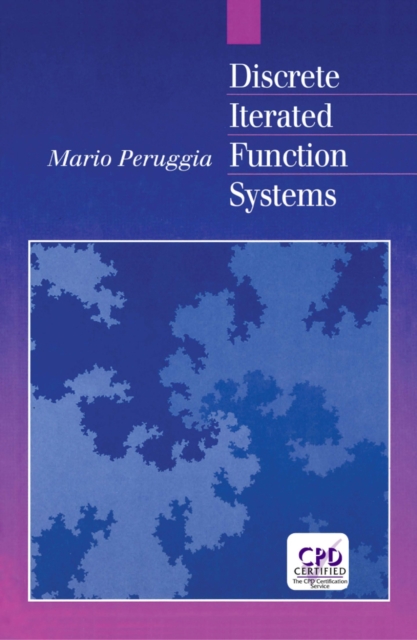
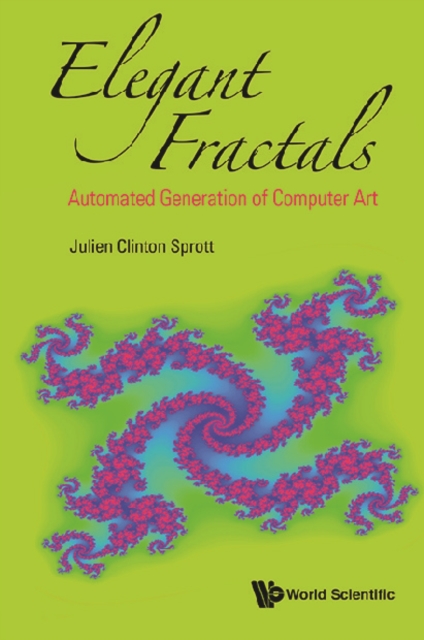
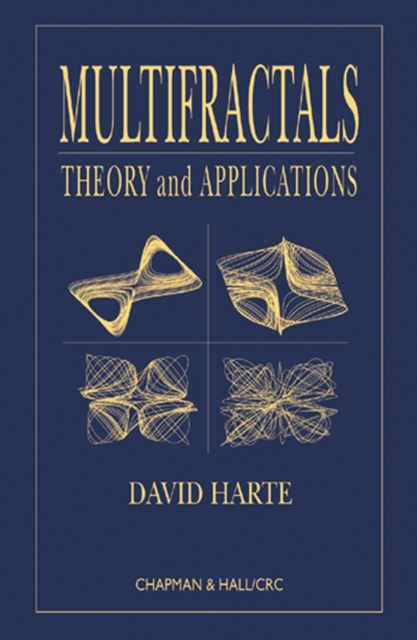
Written for researchers and developers applying Integrated Function Systems in the creation of fractal images, this book presents a modification of a widely used probabilistic algorithm for generating IFS-encoded images.
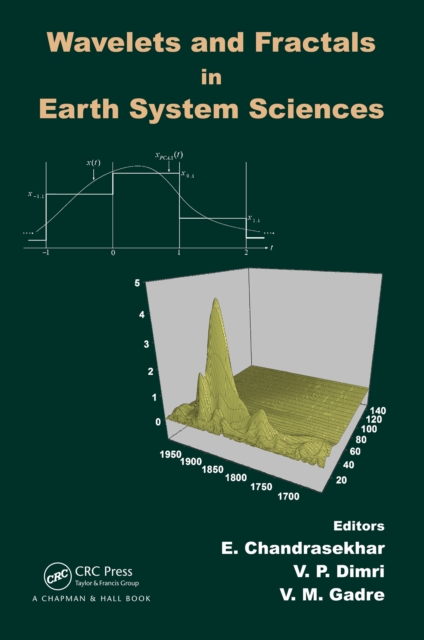
The subject of wavelet analysis and fractal analysis is fast developing and has drawn a great deal of attention in varied disciplines of science and engineering.
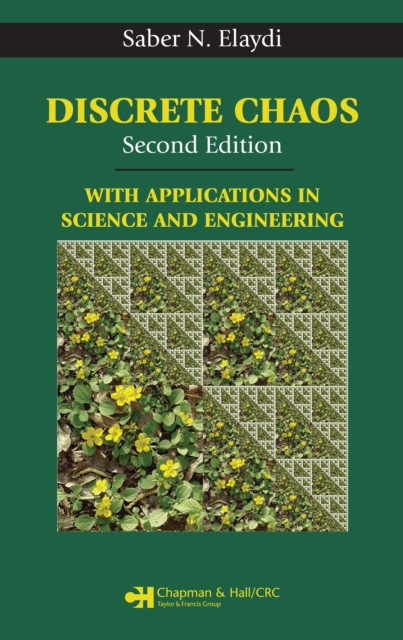
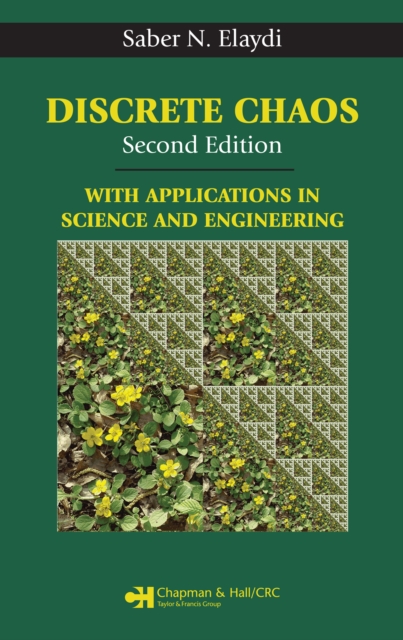
While maintaining the lucidity of the first edition, Discrete Chaos, Second Edition: With Applications in Science and Engineering now includes many recent results on global stability, bifurcation, chaos, and fractals.
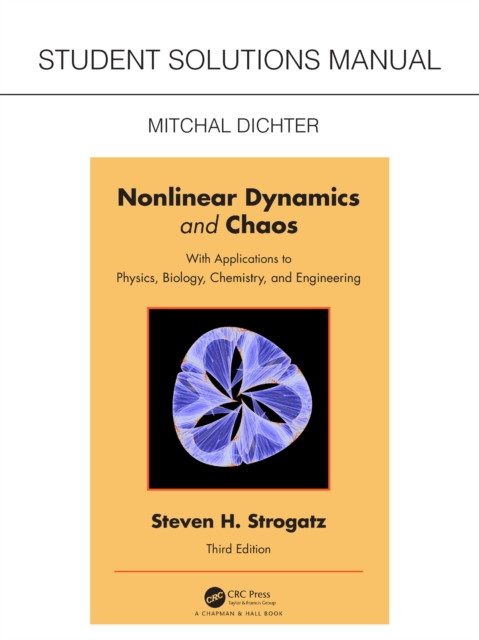
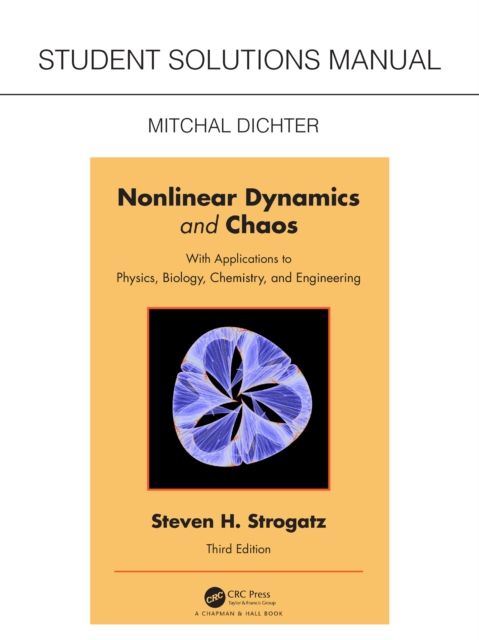
This official Student Solutions Manual includes solutions to the odd-numbered exercises featured in the third edition of Steven Strogatz's classic text Nonlinear Dynamics and Chaos: With Applications to Physics, Biology, Chemistry, and Engineering.
This official Student Solutions Manual includes solutions to the odd-numbered exercises featured in the third edition of Steven Strogatz's classic text Nonlinear Dynamics and Chaos: With Applications to Physics, Biology, Chemistry, and Engineering.
Written for researchers and developers applying Integrated Function Systems in the creation of fractal images, this book presents a modification of a widely used probabilistic algorithm for generating IFS-encoded images.
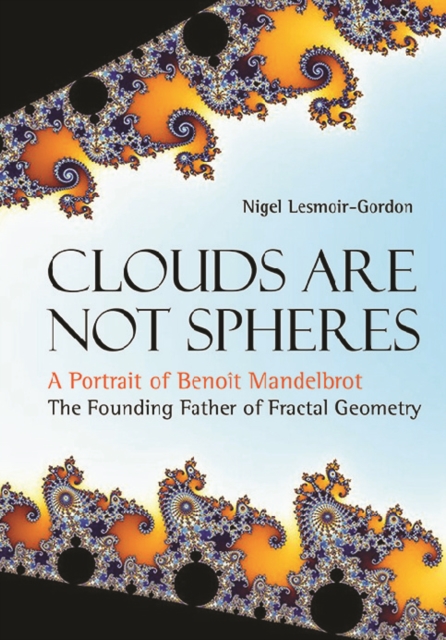
'The book is well-illustrated, earlier chapters with monochrome portraits of Mandelbrot, his family and those who influenced him, and later ones with striking colour pictures not only of the Mandelbrot set and other computer generated fractals, but also of areal fractals including cloud formations and rural and mountain scenes .
In the 50 years since Mandelbrot identified the fractality of coastlines, mathematicians and physicists have developed a rich and beautiful theory describing the interplay between analytic, geometric and probabilistic aspects of the mathematics of fractals.
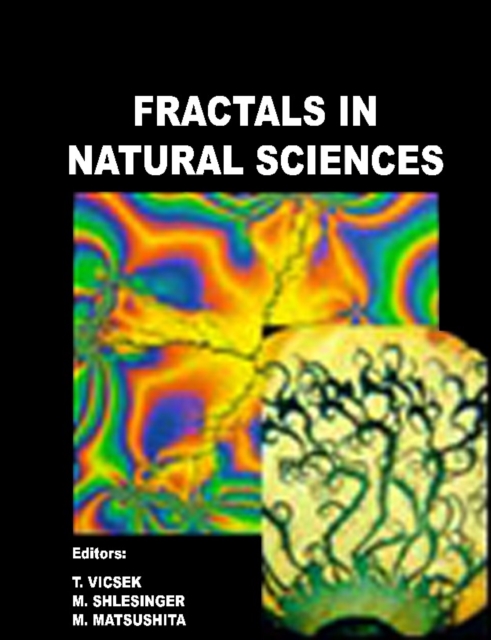
During the last couple of years, fractals have been shown to represent the common aspects of many complex processes occurring in an unusually diverse range of fields including biology, chemistry, earth sciences, physics and technology.
This conference focused on the current research and future perspectives on the application of disordered systems theory, fractals and chaotic dynamical systems to chemical engineering problems.
This volume is a collection of the papers presented at the International Conference on Fractal Concepts and the Application of Chaos in Chemical Engineering Problems.
The topics covered in this volume include formation of fractal structures (kinetics of aggregation and gelation, depositions, cluster growth, chemical reactions, fractures, self-organized criticality, etc.
Every reader will find something of interest in this book - from superdiffusion of the ocean surface to fetal heartbeats, from solar wind to the wearing-out of tools, from radioactive contamination to texture analysis, from image rendering to neural developments.
This is the first detailed account of a new approach to microphysics based on two leading ideas: (i) the explicit dependence of physical laws on scale encountered in quantum physics, is the manifestation of a fundamental principle of nature, scale relativity.
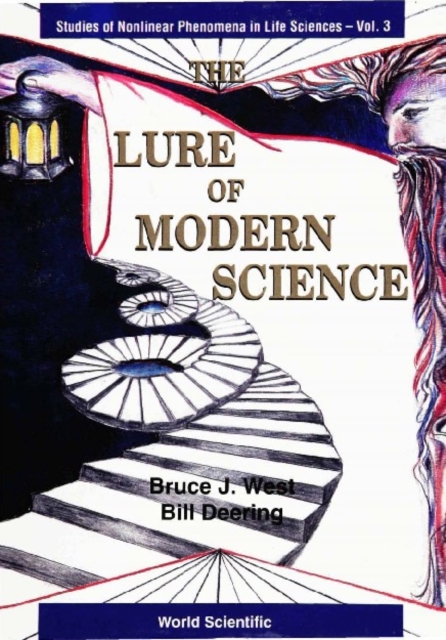
The authors describe mostly in non-technical language the development of a new scientific paradigm based on nonlinear deterministic dynamics and fractal geometry.
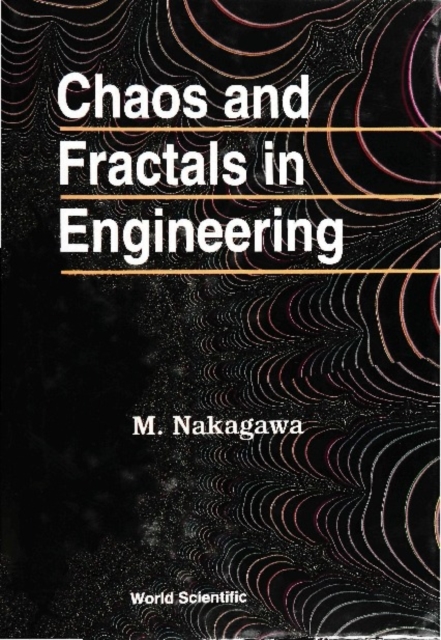
The present book, Chaos and Fractals in Engineering, is written for all engineers and experts or graduate students or beginners working in the application fields, and for experimental scientists in general.
The recent revolution in differential topology related to the discovery of non-standard ("e;exotic"e;) smoothness structures on topologically trivial manifolds such as R4 suggests many exciting opportunities for applications of potentially deep importance for the spacetime models of theoretical physics, especially general relativity.
Fractal geometry, together with the broader fields of nonlinear dynamics and complexity, represented a large segment of modern science at the end of the 20th century.
In the 50 years since Mandelbrot identified the fractality of coastlines, mathematicians and physicists have developed a rich and beautiful theory describing the interplay between analytic, geometric and probabilistic aspects of the mathematics of fractals.
This collective volume is the first to discuss systematically what are the possibilities to model different aspects of brain and mind functioning with the formal means of fractal geometry and deterministic chaos.
'The book is well-illustrated, earlier chapters with monochrome portraits of Mandelbrot, his family and those who influenced him, and later ones with striking colour pictures not only of the Mandelbrot set and other computer generated fractals, but also of areal fractals including cloud formations and rural and mountain scenes .
The subject of wavelet analysis and fractal analysis is fast developing and has drawn a great deal of attention in varied disciplines of science and engineering.
While maintaining the lucidity of the first edition, Discrete Chaos, Second Edition: With Applications in Science and Engineering now includes many recent results on global stability, bifurcation, chaos, and fractals.
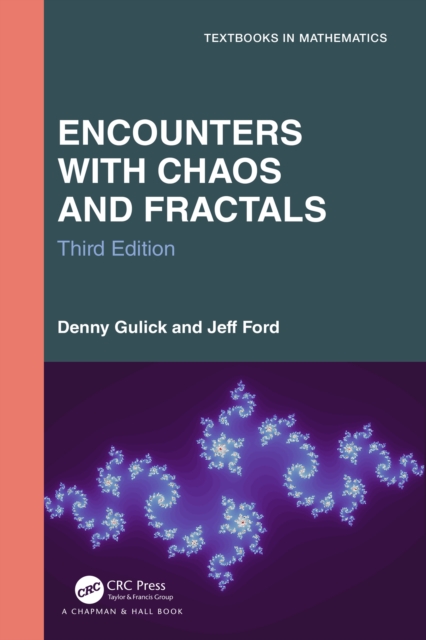
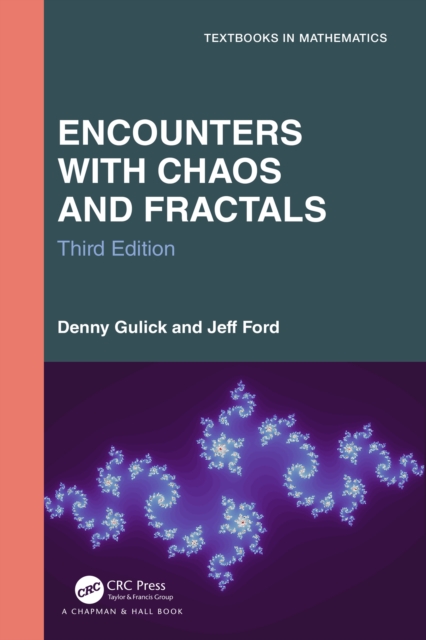
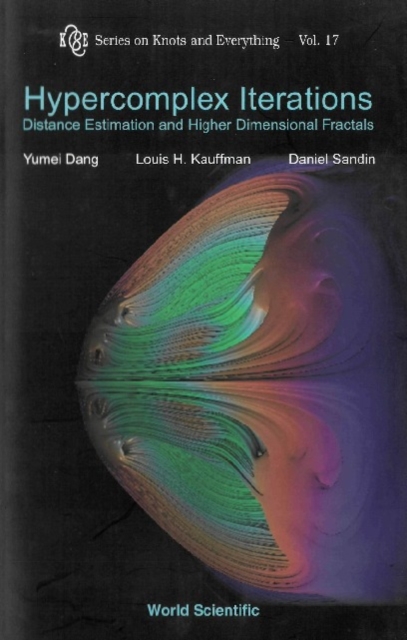
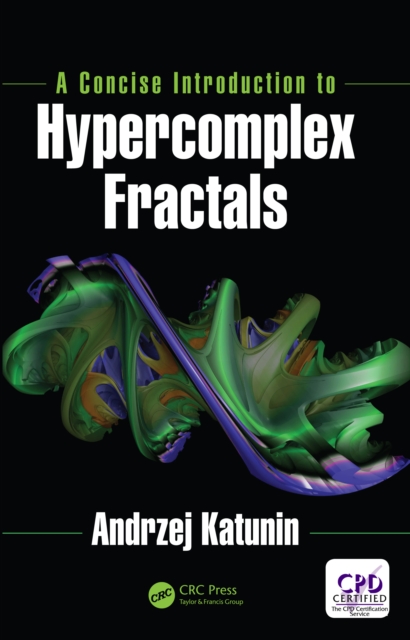
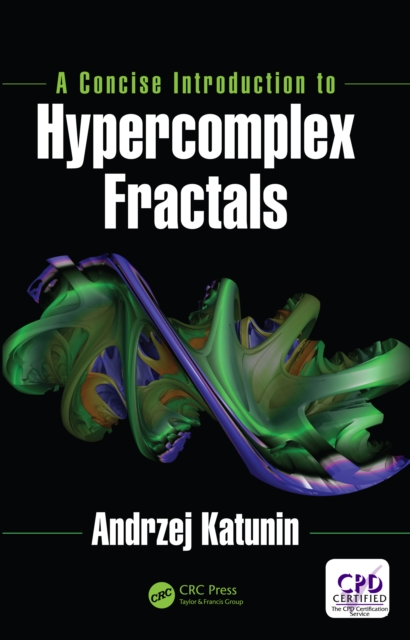
This book presents concisely the full story on complex and hypercomplex fractals, starting from the very first steps in complex dynamics and resulting complex fractal sets, through the generalizations of Julia and Mandelbrot sets on a complex plane and the Holy Grail of the fractal geometry - a 3D Mandelbrot set, and ending with hypercomplex, multicomplex and multihypercomplex fractal sets which are still under consideration of scientists.
This book presents concisely the full story on complex and hypercomplex fractals, starting from the very first steps in complex dynamics and resulting complex fractal sets, through the generalizations of Julia and Mandelbrot sets on a complex plane and the Holy Grail of the fractal geometry - a 3D Mandelbrot set, and ending with hypercomplex, multicomplex and multihypercomplex fractal sets which are still under consideration of scientists.
In this extensive work, the authors give a complete self-contained exposition on the subject of classic function theory and the most recent developments in transcendental iteration.