Bioelectricity (or bioelectromagnetism) relates to the study of biological electrical currents, and bioimpedance deals with the measurement of electrical conductivity.
This volume is one of a series providing critical articles by research specialists in the industrial, analytical and technological aspects of biochemistry, organic chemistry and instrumentation methodology.
This book presents cutting-edge research on the use of physical and mathematical formalisms to model and quantitatively analyze biological phenomena ranging from microscopic to macroscopic systems.
This book provides the readers with an up-to-date review of the design, structure and function of a representative selection of fibrous proteins in both health and disease.
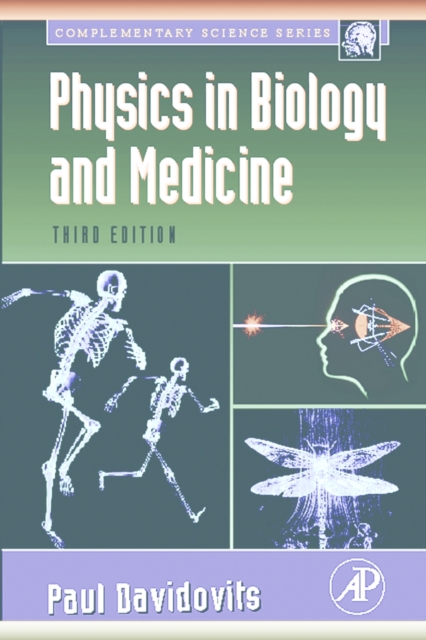
Physics in Biology and Medicine, Third Edition covers topics in physics as they apply to the life sciences, specifically medicine, physiology, nursing, and other applied health fields.
The purpose of the book is to give a survey of the physics that is relevant for biological applications, and also to discuss what kind of biology needs physics.
This volume of The Enzymes features high-caliber thematic articles on the topic of molecular machines involved in protein transport across cellular membranes.
Established in 1960, Advances in Heterocyclic Chemistry is the definitive serial in the area--one of great importance to organic chemists, polymer chemists, and many biological scientists.
Originally published as the stand-alone Chlamydomonas Sourcebook, then expanded as the second volume in a three-part comprehensive gold-standard reference, The Chlamydomonas Sourcebook: Organellar and Metabolic Processes has been fully revised and updated to include a wealth of new knowledge and resources for the Chlamydomonas community.
This volume covers such quantum leaps in the field of biochemistry as the coding properties of DNA and the central dogma, manipulating DNA, extranuclear DNA, protein synthesis and the ribosome, and cell cycles.
This comprehensive work discusses novel biomolecular surfaces that have been engineered to either control or measure cell function at the atomic, molecular, and cellular levels.
In the 1980s, capillary electrophoresis (CE) joined high-performance liquid chromatography (HPLC) as the most powerful separation technique available to analytical chemists and biochemists.
This unique sourcebook serves as a comprehensive reference, bridging the well-established chemistry of nitric oxide and the new and exciting role of nitric oxide as an effector and signaling molecule in numerous biological systems.
Neuroscience is an interdisciplinary field that strives to understand the functioning of neural systems at levels ranging from biomolecules and cells to behaviour and higher brain functions (perception, memory, cognition).
The contributors to this text, who are all biochemists who worked during the 1950s and 60s, describe what appears to them to be the conceptually significant developments in biochemistry since the mid 1950s and how these were achieved.
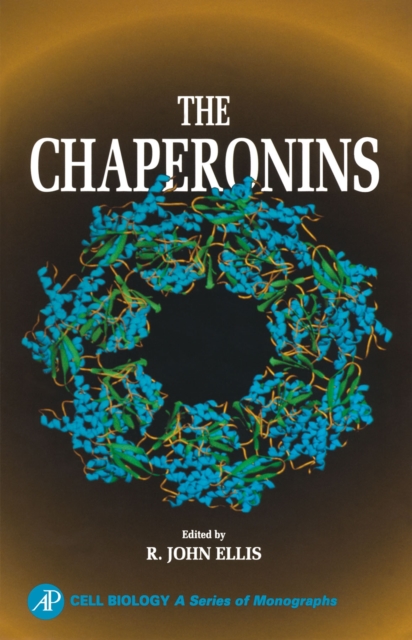
The first of its kind, this volume presents the latest research findings on the chaperonins, the best studied family of a class of proteins known as molecular chaperones.
The account in this inaugural volume of the series covers the period 1900 to 1960, but also outlines the principal developments in earlier centuries from which biochemistry emerged.
This new edition of Bioenergetics presents a clear and up-to-date explanation of the chemiosmotic theory and covers mitochondria, bacteria, and chloroplasts.
Bioconjugate Techniques is the essential guide to the modification and crosslinking of biomolecules for use in research, diagnostics, and therapeutics.
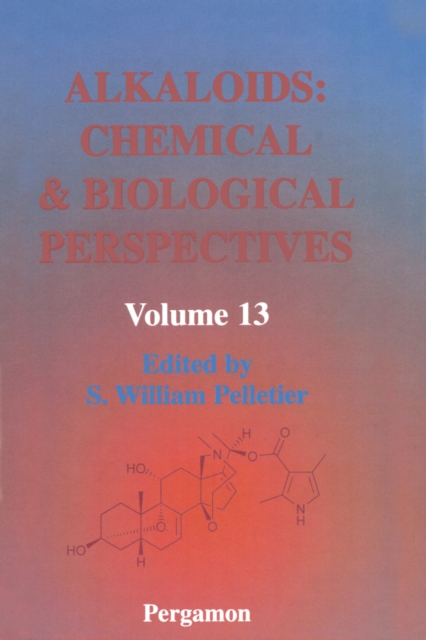
Volume 13 of this series presents five timely reviews of research on alkaloids such as new developments in the chemistry and biology of alkaloids from amphibian skins.
Established in 1960, Advances in Heterocyclic Chemistry is the definitive serial in the area-one of great importance to organic chemists, polymer chemists, and many biological scientists.
- Provides a forum for discussion of new discoveries, approaches, and ideas in molecular biology- Features contributions from leaders in their fields- Contains abundant references