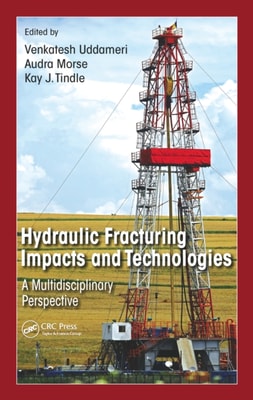
Hydraulic Fracturing Impacts and Technologies: A Multidisciplinary Perspective serves as an introduction to hydraulic fracturing and provides balanced coverage of its benefits and potential negative effects.
Fully updated and expanded into two volumes, the new edition of Groundwater Contamination explains in a comprehensive way the sources for groundwater contamination, the regulations governing it, and the technologies for abating it.
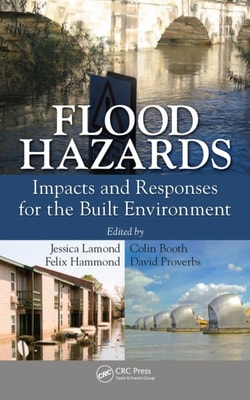
A 360-degree view of the response to flood riskAs major flooding events around the world show, the impact of flooding on the built environment can cause widespread chaos.
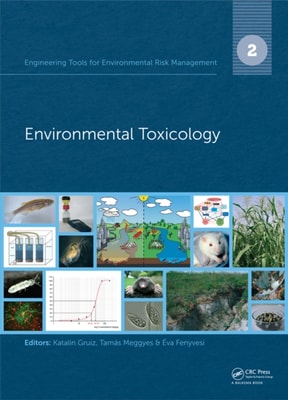
Chemical substances, physical agents and built structures exhibit various types of hazard due to their inherent toxic, mutagenic, carcinogenic, reprotoxic and sensitizing character or damaging to the immune and hormone system.
A unique presentation that unifies the field, this book brings together concepts and information about contaminant effects at all levels of the biological hierarchy.
The field of risk science continues to learn from the long history of events to develop principles and practices that enable individuals, organizations, and societies to understand and manage future risk.
Geophysics and the Energy Transition involves four sections: What is the Energy Transition and why storage so important; selecting sites for storage; advanced monitoring technology; and moving forward to integrating Carbon Capture and Storage (CCS) within the Energy Transition.
Keine ausführliche Beschreibung für "Ergebnisse der am Geophysikalischen Observatorium Collm in den Jahren 1961 bis 1965 durchgeführten sprengseismischen Messungen" verfügbar.
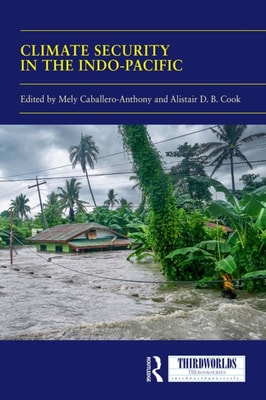
This book explores the intersection of climate change and security in the Indo-Pacific, from the South China Sea disputes to national and regional security practices in India, Japan and Southeast Asia, highlighting the vulnerability of countries facing extreme weather, sea-level rise, and geopolitical tensions.
Python is used in a wide range of geoscientific applications, such as in processing images for remote sensing, in generating and processing digital elevation models, and in analyzing time series.
Python is used in a wide range of geoscientific applications, such as in processing images for remote sensing, in generating and processing digital elevation models, and in analyzing time series.
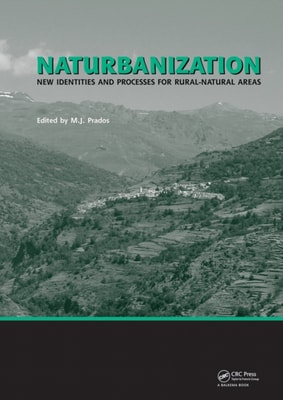
As the growth of the worlds population requires the continued search for residential space, the urbanization of natural lands is an inevitable process, but that process does not have to be one that is accomplished without regard for environmental quality.
Produced by a Leading Aquatic ScientistA narrative account of how estuaries around the world are being altered by human forces and human-induced global climate changes, Climate Change and Coastal Ecosystems: Long-Term Effects of Climate and Nutrient Loading on Trophic Organization chronicles a more than 40-year-old research effort conducted by Dr.
Sustainable Development Goals (SDGs) are goals set by the United Nations to address the global challenges and foster sustainable development and harmony.
This book includes a complete background on geophysical methods of exploration, practices, and case histories for a better understanding of the subject of geophysics and its applicability in diverse fields of exploration.