Smart materials are the way of the future in a variety of fields, from biomedical engineering and chemistry to nanoscience, nanotechnology, and robotics.
Smart materials are the way of the future in a variety of fields, from biomedical engineering and chemistry to nanoscience, nanotechnology, and robotics.
The advances in semiconductor detectors, scintillators, photodetectors such as silicon photomultipliers (SiPM), and readout electronics have experienced tremendous growth in recent years in terms of basic technologies and a variety of applications.
The advances in semiconductor detectors, scintillators, photodetectors such as silicon photomultipliers (SiPM), and readout electronics have experienced tremendous growth in recent years in terms of basic technologies and a variety of applications.
This unique workbook can be used as a stand-alone text or supplemental text for any course designed to enhance the work of radiologic technology students.
This unique workbook can be used as a stand-alone text or supplemental text for any course designed to enhance the work of radiologic technology students.
The bright colour of haemoglobin has, from the very beginning, played a significant role in both the investigation of this compound as well as in the study of blood oxygen transport.
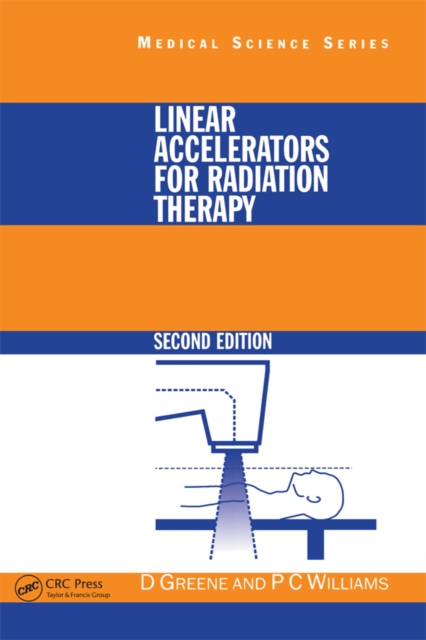
Linear Accelerators for Radiation Therapy, Second Edition focuses on the fundamentals of accelerator systems, explaining the underlying physics and the different features of these systems.
Recent advances in the field of nuclear medicine (NM) are expanding the role and responsibilities of the nuclear medicine technologist (NMT) to include more complex and detailed tasks.
The International Symposium on Biological Effects of Magnetic and Electrom- netic Fields was held from September 3-4, 1993 at Kyushu University in Fukuoka .
Spectral, Photon Counting Computed Tomography is a comprehensive cover of the latest developments in the most prevalent imaging modality (x-ray computed tomography (CT)) in its latest incarnation: Spectral, Dual-Energy, and Photon Counting CT.
Spectral, Photon Counting Computed Tomography is a comprehensive cover of the latest developments in the most prevalent imaging modality (x-ray computed tomography (CT)) in its latest incarnation: Spectral, Dual-Energy, and Photon Counting CT.
This timely overview of dose, benefit, and risk in medical imaging explains to readers how to apply this information for informed decision-making that improves patient outcomes.
This timely overview of dose, benefit, and risk in medical imaging explains to readers how to apply this information for informed decision-making that improves patient outcomes.
This popular text provides a comprehensive, yet accessible, introduction to the physics and technology of medical ultrasound, with high quality ultrasound images and diagrams throughout.
This popular text provides a comprehensive, yet accessible, introduction to the physics and technology of medical ultrasound, with high quality ultrasound images and diagrams throughout.
The most important radiotherapy modality used today, intensity modulated radiation therapy (IMRT), is the most technologically advanced radiotherapy cancer treatment available, rapidly replacing conformal and three-dimensional techniques.
Biology and Mechanics of Blood Flows presents the basic knowledge and state-of-the-art techniques necessary to carry out investigations of the cardiovascular system using modeling and simulation.
Over the past few decades, mankind has observed an unprecedented and remarkable growth in industry, resulting in a more prosperous lifestyle for peoples of many countries.
The updated edition of the third of three vollumes on Medical Physics presents modern physical methods for medical therapy with a focus on tumor treatment.
Belarus: From Soviet Rule to Nuclear Catastrophe examines the principal effects of Soviet rule on Belarus as the prelude to a detailed analysis of the medical and social consequences of the nuclear accident at Chernobyl.
Drawing upon newly-released official and private papers, this book provides an intimate account of Anglo-American debates over one of the most grave and politically sensitive foreign-policy issues of the early 1960s.
An exploration of how and why Japan, South Korea, Taiwan, China and India have initiated and developed nuclear energy programs and what challenges they face today.
Explores the history and challenges of nuclear energy development in China, across five main areas: politics, economics, environment, technology transfer and the nuclear fuel cycle.
With the nuclear issue back on the agenda worldwide, this highly topical collection steers a path through the controversies, presenting the views of proponents of nuclear expansion, examining the challenges that face them and exploring the arguments of those who support alternative approaches.
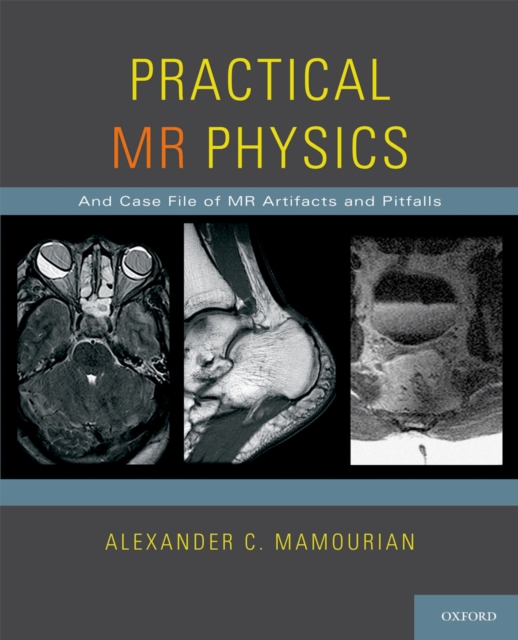
The underlying physics of magnetic resonance imaging is a topic of considerable importance since a basic understanding is necessary to accurately interpret and generate high quality MR images.
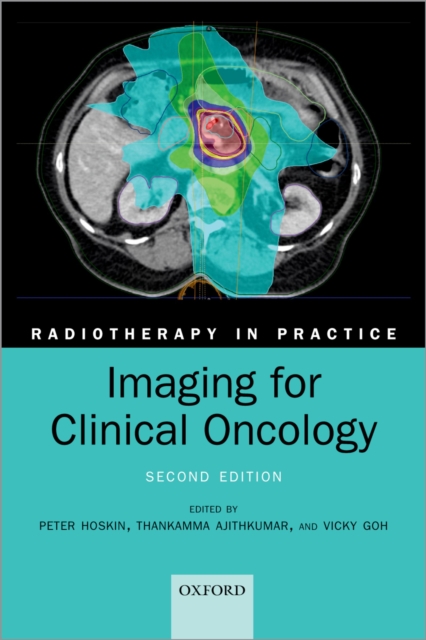
Imaging is a critical component in the delivery of radiotherapy to patients with malignancy, and this book teaches the principles and practice of imaging specific to radiotherapy.
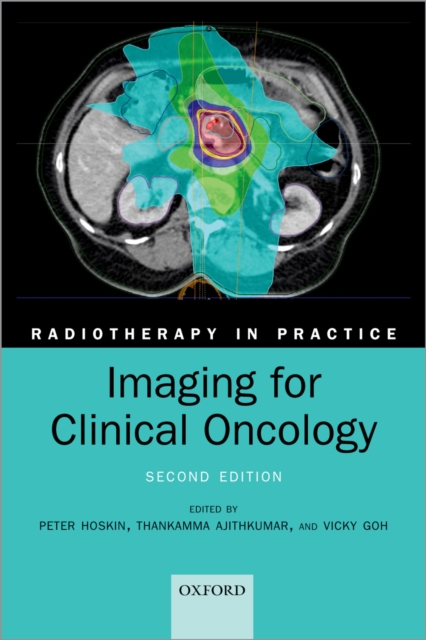
Imaging is a critical component in the delivery of radiotherapy to patients with malignancy, and this book teaches the principles and practice of imaging specific to radiotherapy.
This is a readable and attractively presented textbook on fluid flow in biological systems that includes flow through blood vessels, pulsatile flow, and pattern formation.
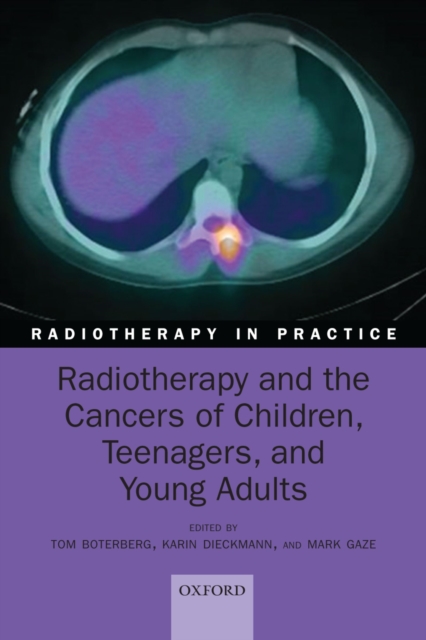
This new volume in the Radiotherapy in Practice series provides a comprehensive and evidence-based guide to radiotherapy in the management of children and young people with cancer.
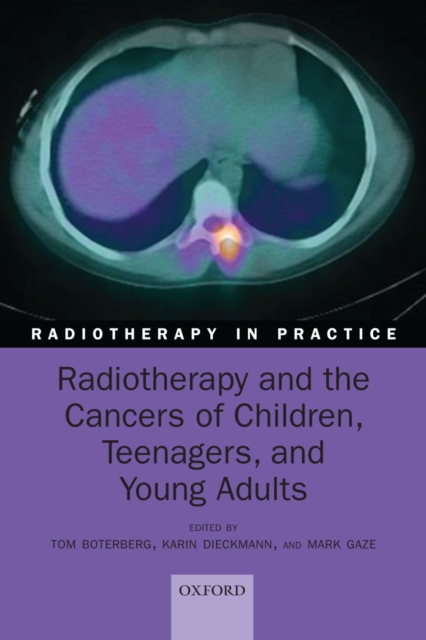
This new volume in the Radiotherapy in Practice series provides a comprehensive and evidence-based guide to radiotherapy in the management of children and young people with cancer.
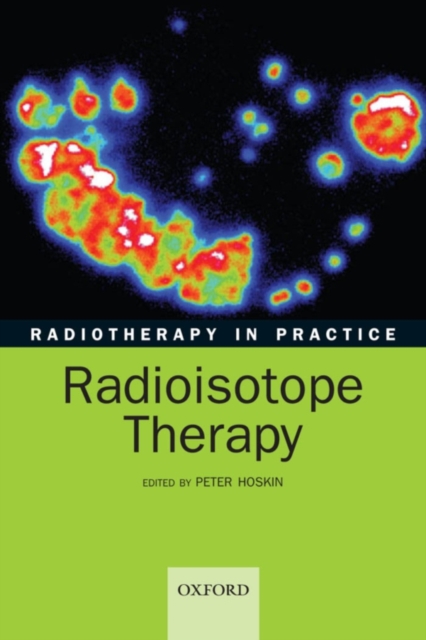
Radioisotope therapy is an internal form of radiation used to treat cancer; it may be administered orally or intravenously and represents the nearest treatment option to the 'magic bullet', specifically targeting sites of disease whilst sparing surrounding normal tissues.