"e;Light is a Messenger"e; is the first biography of William Lawrence Bragg, who was only 25 when he won the 1915 Nobel Prize in Physics - the youngest person ever to win a Nobel Prize.
Semiconductor sensors patterned at the micron scale combined with custom-designed integrated circuits have revolutionized semiconductor radiation detector systems.
The study of dielectric properties of biological systems and their components is important not only for fundamental scientific knowledge but also for its applications in medicine, biology, and biotechnology.
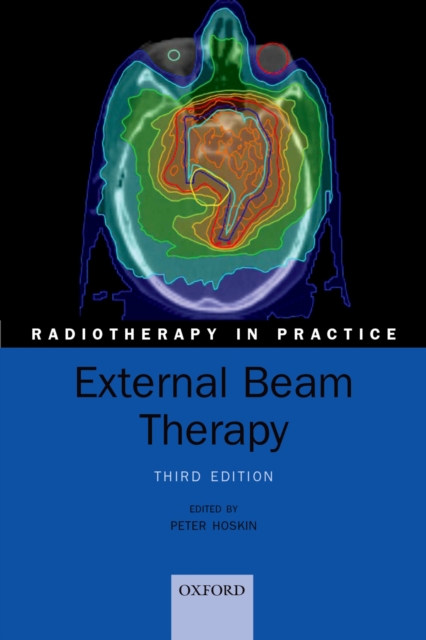
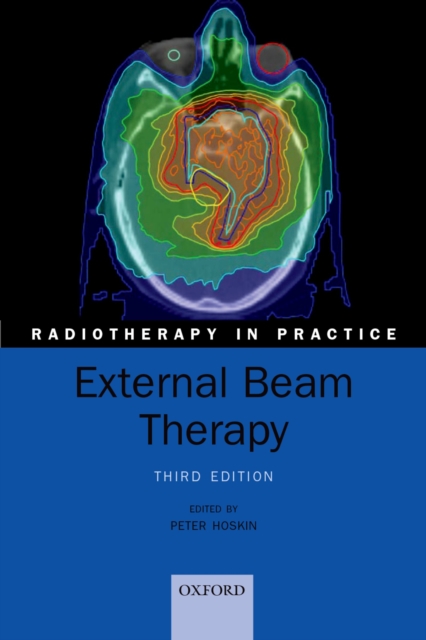
External beam therapy is the most common form of radiotherapy, delivering ionizing radiation such as high-energy x-rays, gamma rays, or electron beams directly into the location of the patient's tumour.
External beam therapy is the most common form of radiotherapy, delivering ionizing radiation such as high-energy x-rays, gamma rays, or electron beams directly into the location of the patient's tumour.
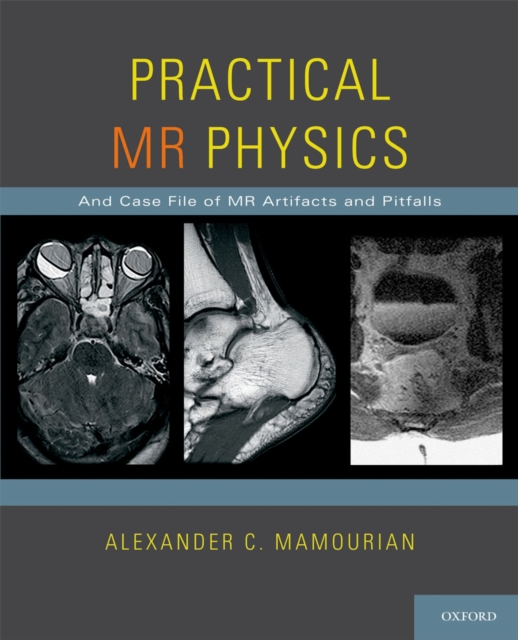
The underlying physics of magnetic resonance imaging is a topic of considerable importance since a basic understanding is necessary to accurately interpret and generate high quality MR images.
Electricity and Magnetism (E&M) underlies many lifesaving medical devices, such as magnetic resonance imaging scanners, neural stimulators, and heart pacemakers.
This volume presents a selection of articles based on inspiring lectures held at the "e;Capri"e; Advanced Summer School, an original event conceived and promoted by Leonida Antonio Gizzi and Ralph Assmann that focuses on novel schemes for plasma-based particle acceleration and radiation sources, and which brings together researchers from the conventional accelerator community and from the high-intensity laser-matter interaction research fields.
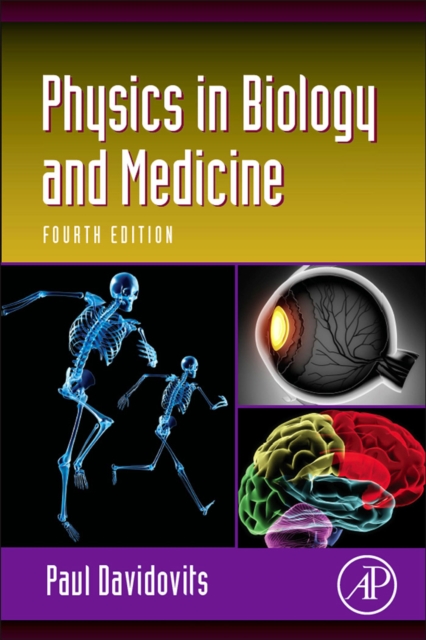
Physics in Biology and Medicine, Fourth Edition, covers topics in physics as they apply to the life sciences, specifically medicine, physiology, nursing and other applied health fields.
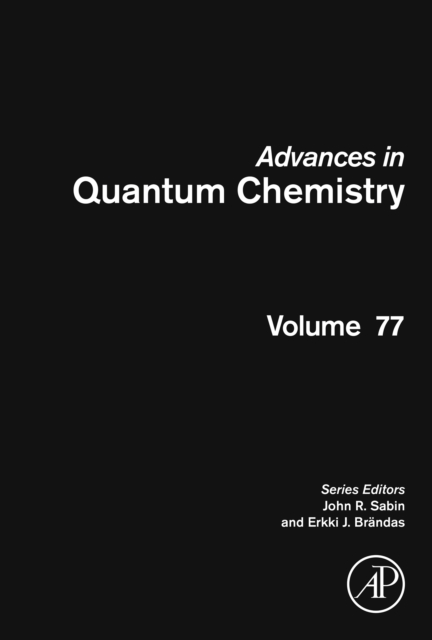
Advances in Quantum Chemistry, Volume 77, presents surveys of current topics in this rapidly developing field, one that has emerged at the cross section of the historically established areas of mathematics, physics, chemistry and biology.
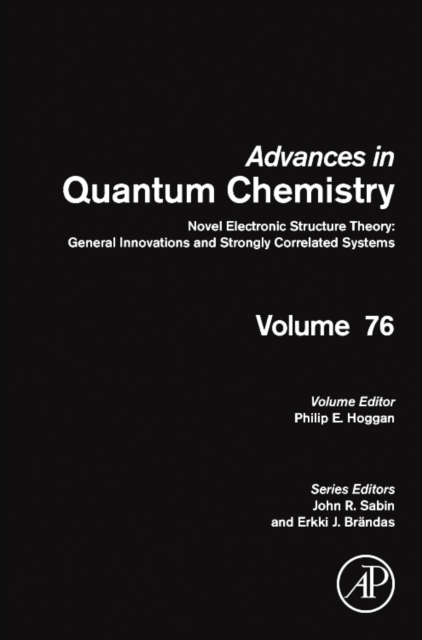
Novel Electronic Structure Theory: General Innovations and Strongly Correlated Systems, Volume 76, the latest release in the Advances in Quantum Chemistry series presents work and reviews of current work in quantum chemistry (molecules), but also includes scattering from atoms and solid state work of interest in physics.
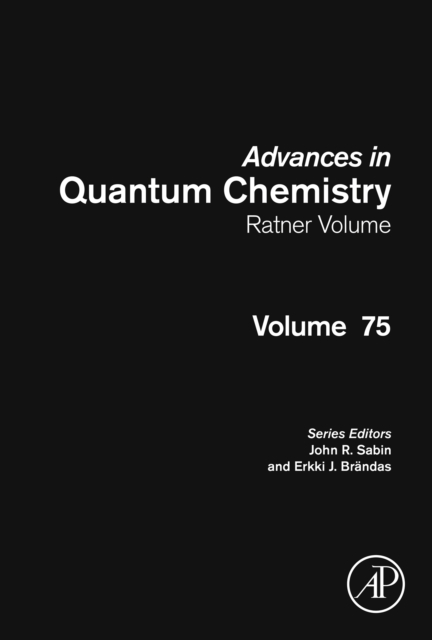
Advances in Quantum Chemistry, Volume 75 presents work and reviews of current progress in computational quantum mechanics as presented by some of the world's leading experts.
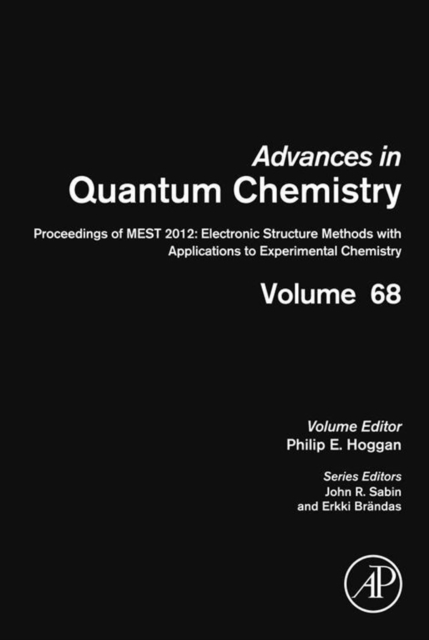
Advances in Quantum Chemistry presents surveys of current topics in this rapidly developing field that has emerged at the cross section of the historically established areas of mathematics, physics, chemistry, and biology.
Advances in Quantum Chemistry presents surveys of current topics in this rapidly developing field that has emerged at the cross section of the historically established areas of mathematics, physics, chemistry, and biology.
Physics in Biology and Medicine, Fourth Edition, covers topics in physics as they apply to the life sciences, specifically medicine, physiology, nursing and other applied health fields.
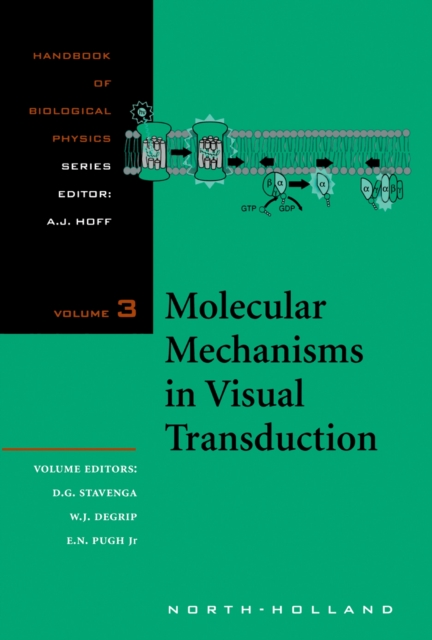
Molecular mechanisms in visual transduction is presently one of the most intensely studied areas in the field of signal transduction research in biological cells.
Neuroscience is an interdisciplinary field that strives to understand the functioning of neural systems at levels ranging from biomolecules and cells to behaviour and higher brain functions (perception, memory, cognition).
This book provides readers with an accessible and up-to-date introduction to the field of low-field MRI, which is currently seeing a resurgence in both research and commercial activity.
Physiological optical imaging is a group of emerging technologies that aim to provide healthcare practitioners and biomedical researchers with information about tissue physiology or pathophysiology using approaches different from traditional medical imaging (PET, ultrasound, MRI, X-ray, or CT scan).
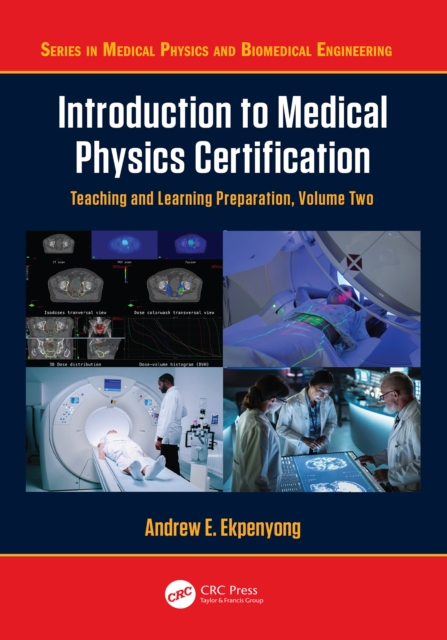
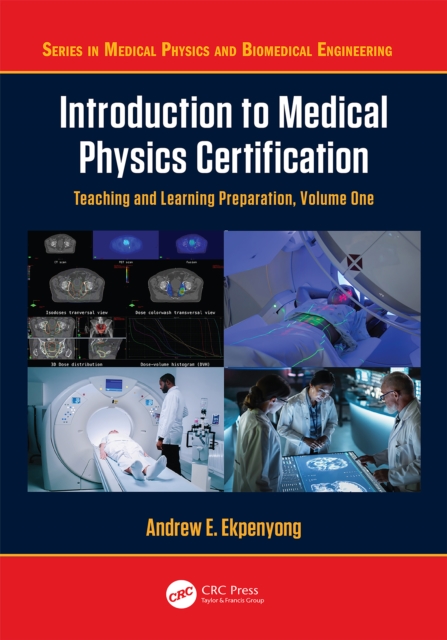
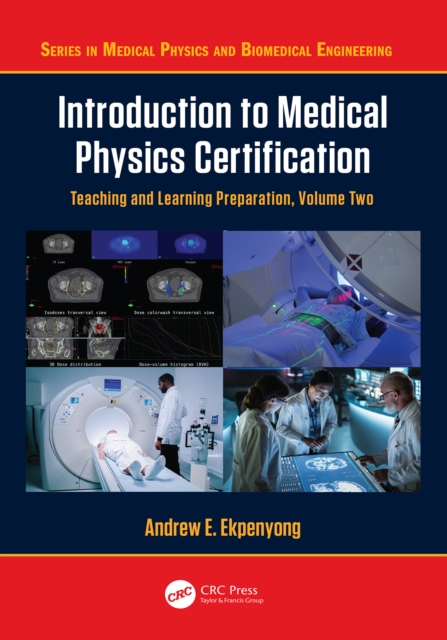
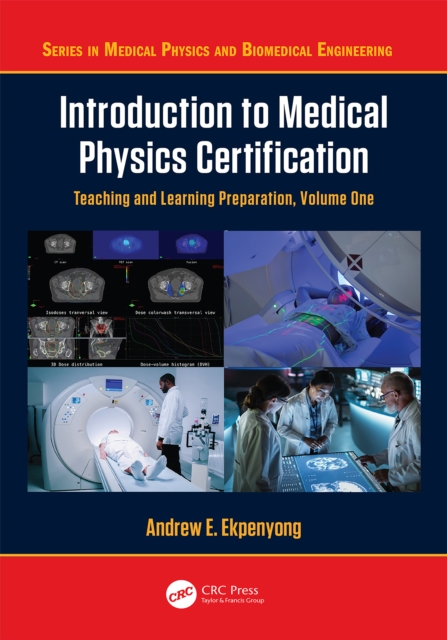
This book provides a comprehensive guide to the essential materials and content needed to teach and/or learn medical physics to pass the board certification exam and make progress towards the independent practice of medical physics.
This book provides a comprehensive guide to the essential materials and content needed to teach and/or learn medical physics to pass the board certification exam and make progress towards the independent practice of medical physics.
This book provides a comprehensive guide to the essential materials and content needed to teach and/or learn medical physics to pass the board certification exam and make progress towards the independent practice of medical physics.
This book provides a comprehensive guide to the essential materials and content needed to teach and/or learn medical physics to pass the board certification exam and make progress towards the independent practice of medical physics.