As you read this, billions of neutrinos from the sun are passing through your body, antimatter is sprouting from your dinner and the core of your being is a chaotic mess of particles known only as quarks and gluons.
'This is the best book on the subject that I have read, it's brilliant, wide ranging, easy to read, doesn't use tech jargon and its been designed to help you learn about the subject, not just read a book.
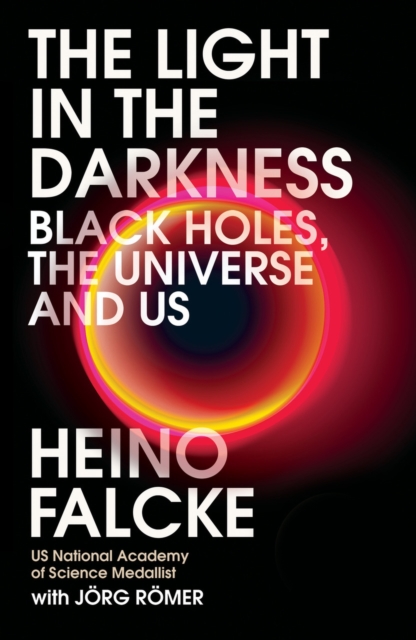
As featured in THE EDGE OF ALL WE KNOW - the new Netflix documentary about Black HolesFor readers of Stephen Hawking, a fascinating account of the universe from the perspective of world-leading astrophysicist Heino Falcke, who took the first ever picture of a black hole.
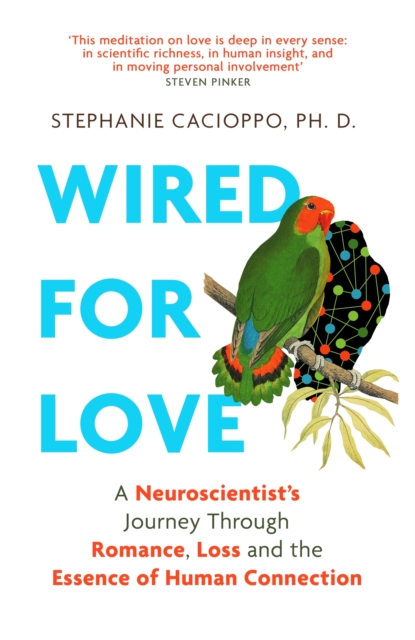
From the world's foremost neuroscientist of romantic love comes a personal story of connection and heartbreak that brings new understanding to an old truth: it is better to have loved and lost than never to have loved at all.
The most thrilling, genre-busting, unlikely science book you ll ever read, from the world-renowned, multi-award-winning, superstar physicist Lisa Randal.
This new edition of the well-established Kearey and Brooks text is fully updated to reflect the important developments in geophysical methods since the production of the previous edition.
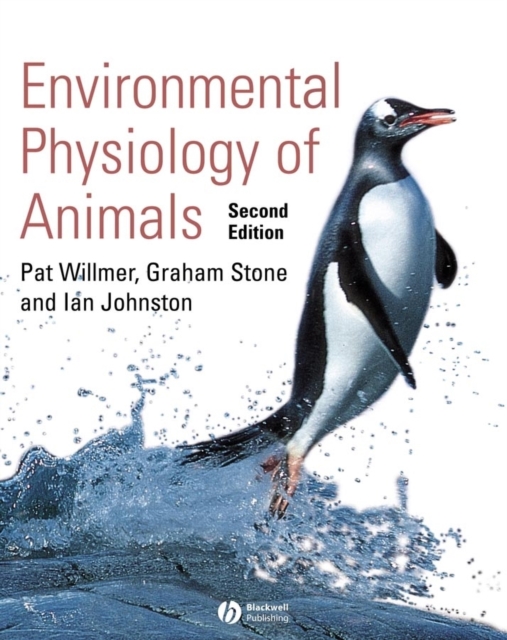
The new and updated edition of this accessible text provides a comprehensive overview of the comparative physiology of animals within an environmental context.
The third edition of this widely acclaimed textbook provides a comprehensive introduction to all aspects of global tectonics, and includes major revisions to reflect the most significant recent advances in the field.
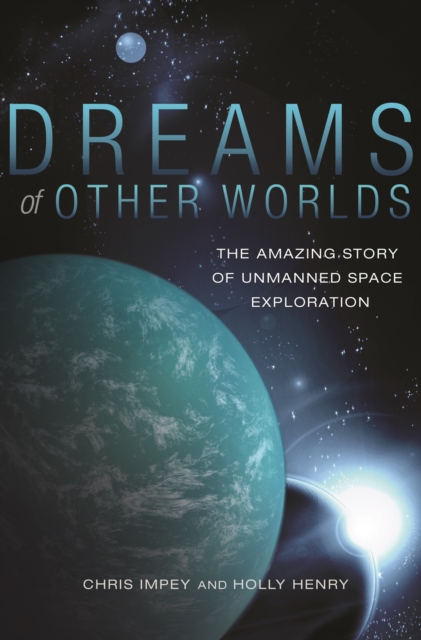
The story of unmanned space exploration, from Viking to todayDreams of Other Worlds describes the unmanned space missions that have opened new windows on distant worlds.
The New York Times bestselling tour of the cosmos from three of today's leading astrophysicistsWelcome to the Universe is a personal guided tour of the cosmos by three of today's leading astrophysicists.
Since Einstein first described them nearly a century ago, gravitational waves have been the subject of more sustained controversy than perhaps any other phenomenon in physics.
A leading astronomer takes readers behind the scenes of the thrilling science of stellar archaeologyAstronomers study the oldest observable stars in the universe in much the same way archaeologists study ancient artifacts on Earth.
This book provides readers with the skills they need to write computer codes that simulate convection, internal gravity waves, and magnetic field generation in the interiors and atmospheres of rotating planets and stars.
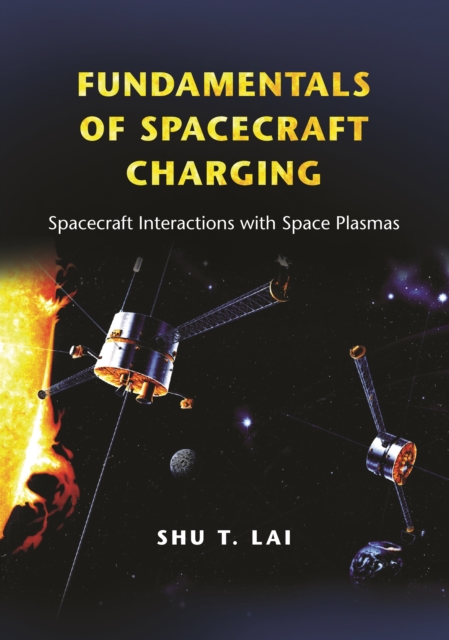
As commercial and military spacecraft become more important to the world's economy and defense, and as new scientific and exploratory missions are launched into space, the need for a single comprehensive resource on spacecraft charging becomes increasingly critical.
A must-have introduction to this fundamental driver of the climate systemThe Global Carbon Cycle is a short introduction to this essential geochemical driver of the Earth's climate system, written by one of the world's leading climate-science experts.
A brief, cutting-edge introduction to the brightest cosmic phenomena known to scienceGamma-ray bursts are the brightest-and, until recently, among the least understood-cosmic events in the universe.
A concise introduction to cosmology and how light first emerged in the universeThough astrophysicists have developed a theoretical framework for understanding how the first stars and galaxies formed, only now are we able to begin testing those theories with actual observations of the very distant, early universe.
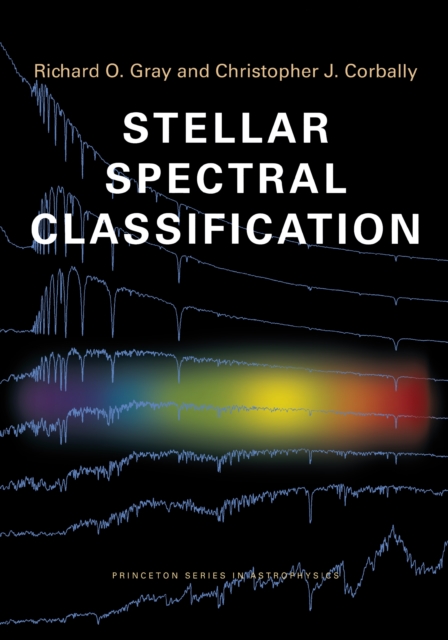
Written by leading experts in the field, Stellar Spectral Classification is the only book to comprehensively discuss both the foundations and most up-to-date techniques of MK and other spectral classification systems.
A concise introduction to cosmology and how light first emerged in the universeThough astrophysicists have developed a theoretical framework for understanding how the first stars and galaxies formed, only now are we able to begin testing those theories with actual observations of the very distant, early universe.
An Introduction to Stellar Astrophysics aspires to provide the reader with an intermediate knowledge on stars whilst focusing mostly on the explanation of the functioning of stars by using basic physical concepts and observational results.
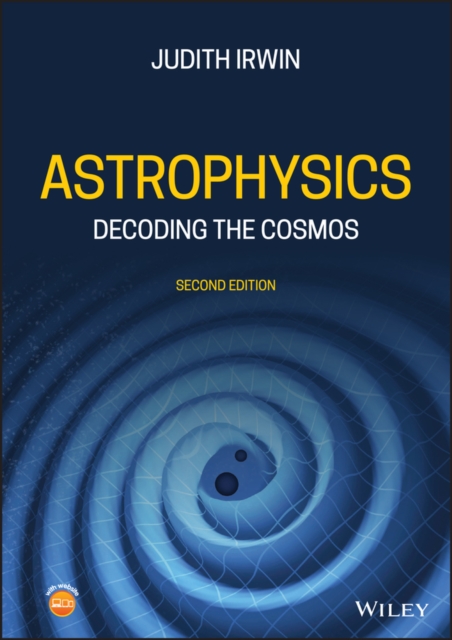
ASTROPHYSICS The new edition of the popular textbook for undergraduate astronomers, covers the how of astrophysicsAstrophysics: Decoding the Cosmos, Second Edition, describes how information about the physical nature of stars and other celestial bodies is obtained and analyzed to gain a better understanding of the universe.
ASTROPHYSICS The new edition of the popular textbook for undergraduate astronomers, covers the how of astrophysicsAstrophysics: Decoding the Cosmos, Second Edition, describes how information about the physical nature of stars and other celestial bodies is obtained and analyzed to gain a better understanding of the universe.
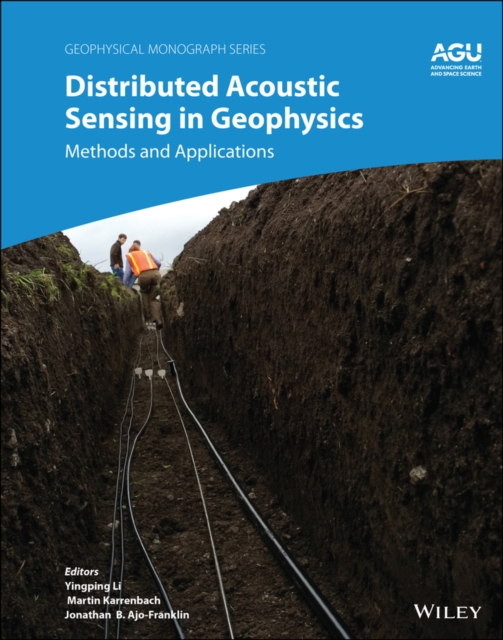
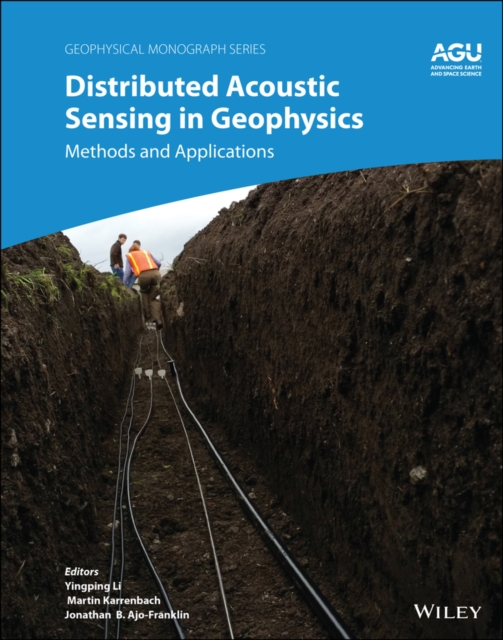
A comprehensive handbook on state-of-the-art DAS technology and applications Distributed Acoustic Sensing (DAS) is a technology that records sound and vibration signals along a fiber optic cable.
A comprehensive handbook on state-of-the-art DAS technology and applications Distributed Acoustic Sensing (DAS) is a technology that records sound and vibration signals along a fiber optic cable.