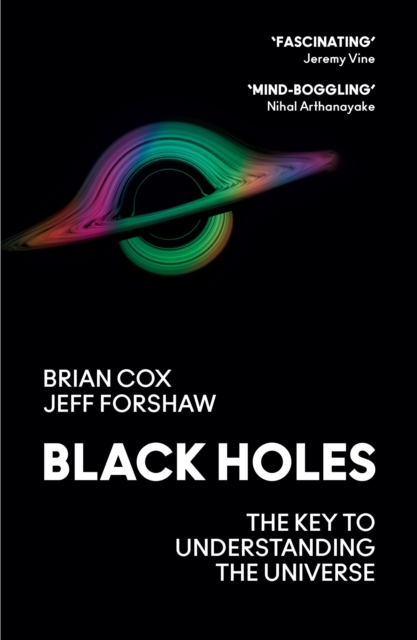
A sophisticated introduction to how astronomers identify, observe, and understand black holesEmitting no radiation or any other kind of information, black holes mark the edge of the universe-both physically and in our scientific understanding.
The inside story of the epic quest to solve the mystery of dark matterThe ordinary atoms that make up the known universe-from our bodies and the air we breathe to the planets and stars-constitute only 5 percent of all matter and energy in the cosmos.
An insider's look at the cutting-edge science of today's planet huntersIn Strange New Worlds, renowned astronomer Ray Jayawardhana brings news from the front lines of the epic quest to find planets-and alien life-beyond our solar system.
A grand tour of our dynamic home galaxyThis book offers an intimate guide to the Milky Way, taking readers on a grand tour of our home Galaxy's structure, genesis, and evolution, based on the latest astronomical findings.
The physics of neutrinos--uncharged elementary particles that are key to helping us better understand the nature of our universe--is one of the most exciting frontiers of modern science.
When the Soviets launched Sputnik in 1957, thousands of ordinary people across the globe seized the opportunity to participate in the start of the Space Age.
Atmospheric Science, Second Edition, is the long-awaited update of the classic atmospheric science text, which helped define the field nearly 30 years ago and has served as the cornerstone for most university curricula.
Desde las antiguas civilizaciones que hicieron mapas de los cielos a Star Trek, X-Files y Apolo 13, el espacio sideral ha intrigado a la gente por mucho tiempo.
A provocative and inspiring look at the future of humanity and science from world-renowned scientist and bestselling author Martin ReesHumanity has reached a critical moment.
In September of 1859, the entire Earth was engulfed in a gigantic cloud of seething gas, and a blood-red aurora erupted across the planet from the poles to the tropics.
A new look at the first few seconds after the Big Bang-and how research into these moments continues to revolutionize our understanding of our universeScientists in the past few decades have made crucial discoveries about how our cosmos evolved over the past 13.
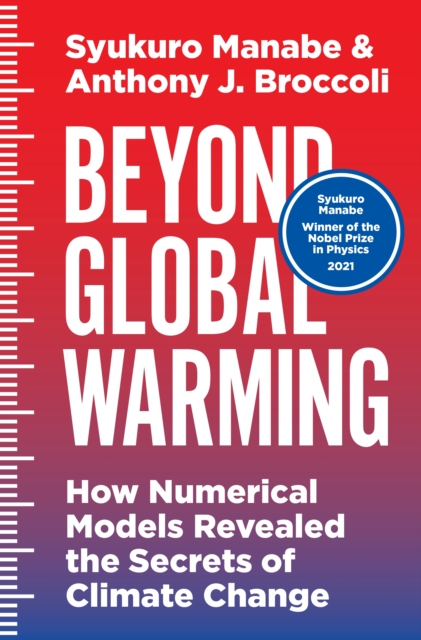
From Nobel Prize winner Syukuro Manabe and Anthony Broccoli, a definitive account of how we have come to understand the fundamental processes behind global warmingSyukuro Manabe is perhaps the leading pioneer of modern climate modeling.
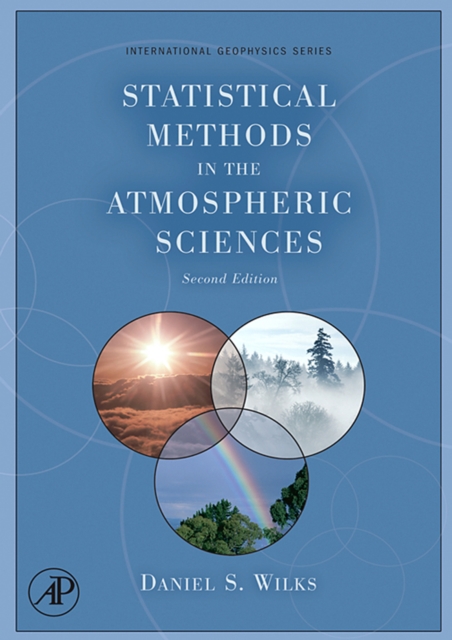
Statistical Methods in the Atmospheric Sciences, Second Edition, explains the latest statistical methods used to describe, analyze, test, and forecast atmospheric data.
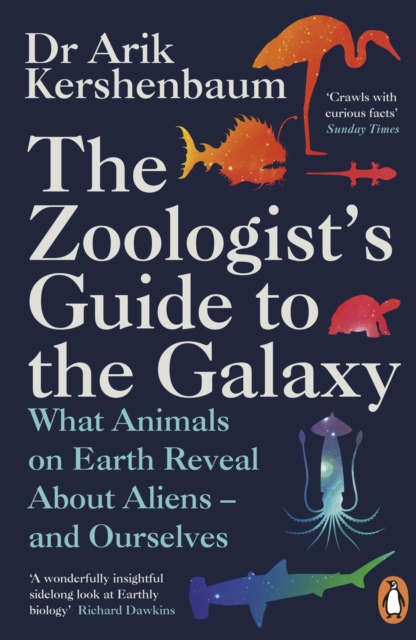
DISCOVER HOW LIFE REALLY WORKS - ON EARTH AND IN SPACE 'A wonderfully insightful sidelong look at Earthly biology' Richard Dawkins'Crawls with curious facts' Sunday Times_________________________We are unprepared for the greatest discovery of modern science.
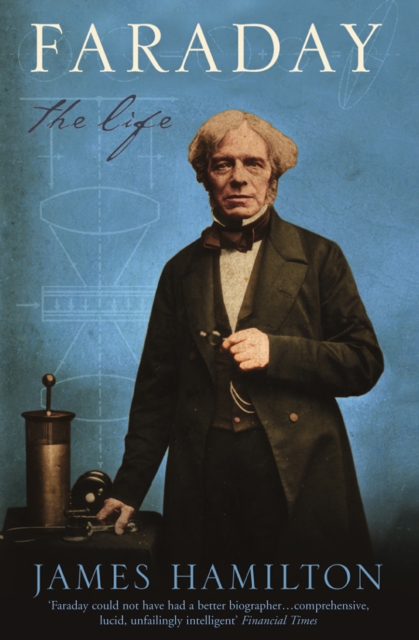
A major biography of Michael Faraday (1791-1867), one of the giants of 19th century science and discoverer of electricity who was at the centre of an extraordinary scientific renaissance in London.
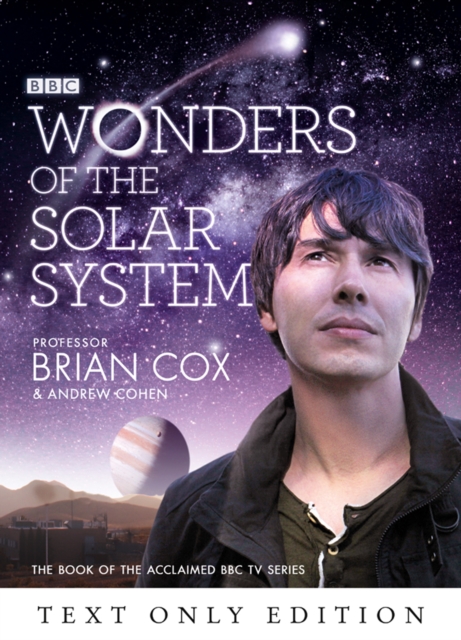
The Sunday Times BestsellerIn Wonders of the Solar System - the book of the acclaimed BBC TV series - Professor Brian Cox will take us on a journey of discovery where alien worlds from your imagination become places we can see, feel and visit.
NATIONAL BESTSELLER At the end of World War II, a band of aces gathered in the Mojave Desert on a Top Secret quest to break the sound barriernicknamed "e;The Demon"e; by pilots.
Reviewing the history and causes of climatic change and evaluating regional models, this New Naturalist volume offers an important analysis of climatic variations.
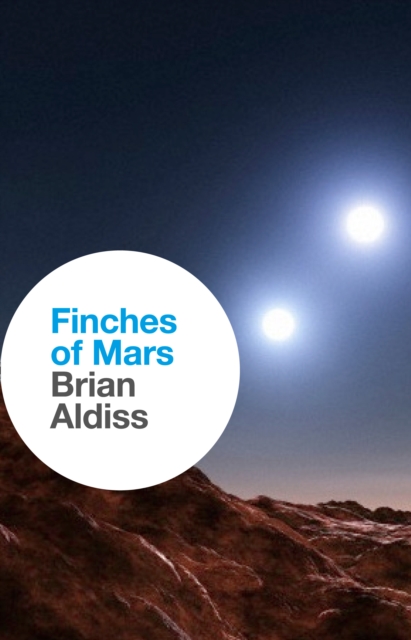
A narrative history of the men and women who have explored Mars and mapped its surface from afar, and in so doing conditioned our understanding of our nearest planetary neighbour.
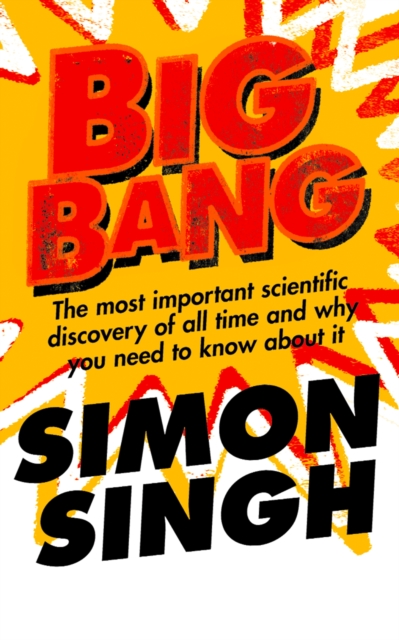
The bestselling author of Fermat's Last Theorem and The Code Book tells the story of the brilliant minds that deciphered the mysteries of the Big Bang.