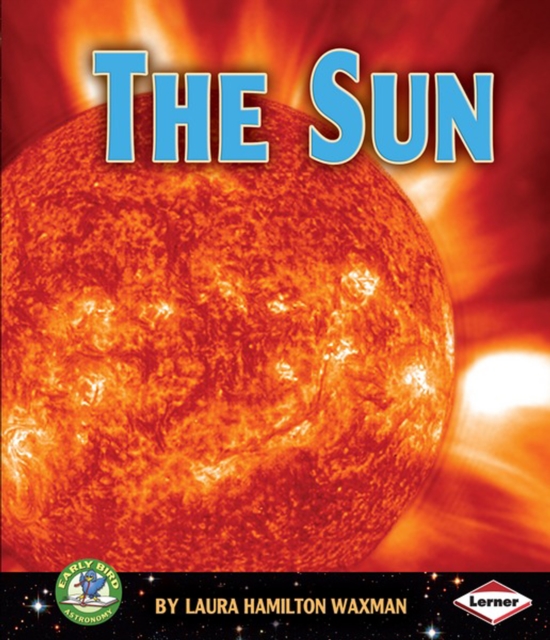
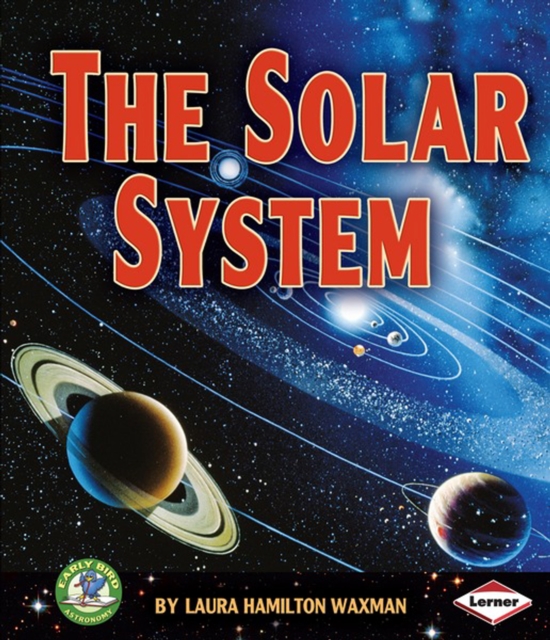
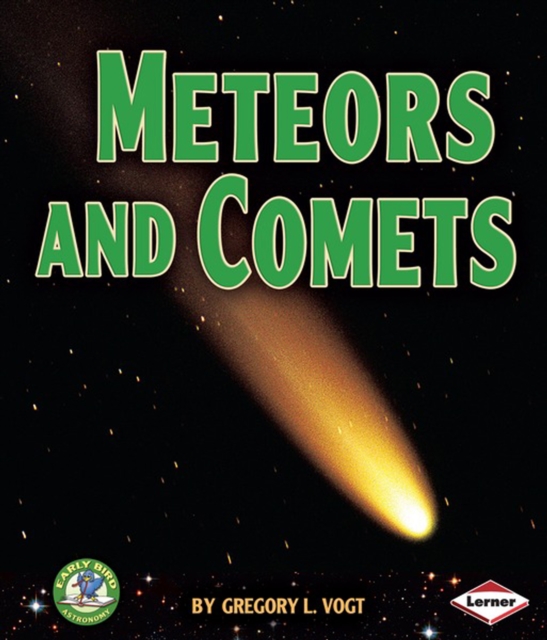
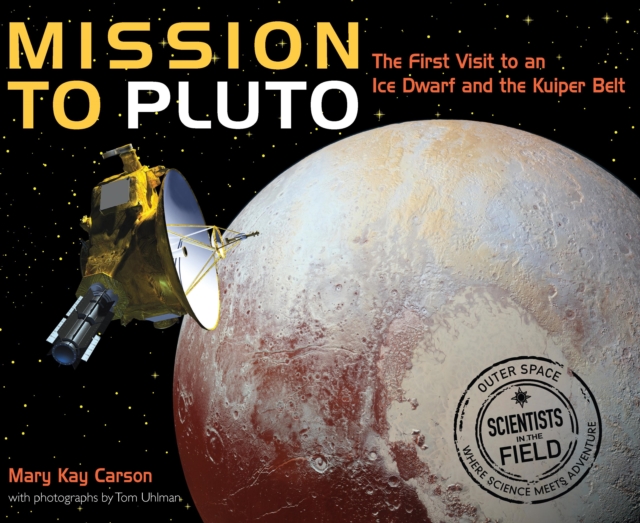
This lively and informative book introduces beginning readers to the planets, dwarf planets, asteroids, and comets that make up our solar system; the Sun as the center of the solar system; and more.
This lively and informative book introduces beginning readers to the Moon's orbit around Earth, phases of the Moon and eclipses, the Moon's effect on tides, and more.
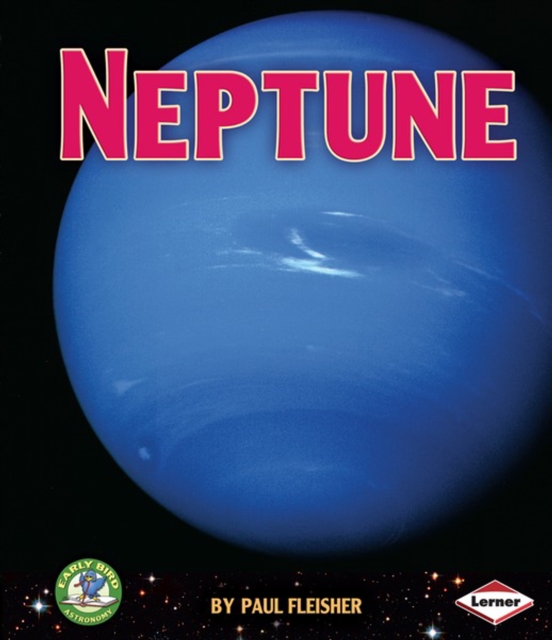
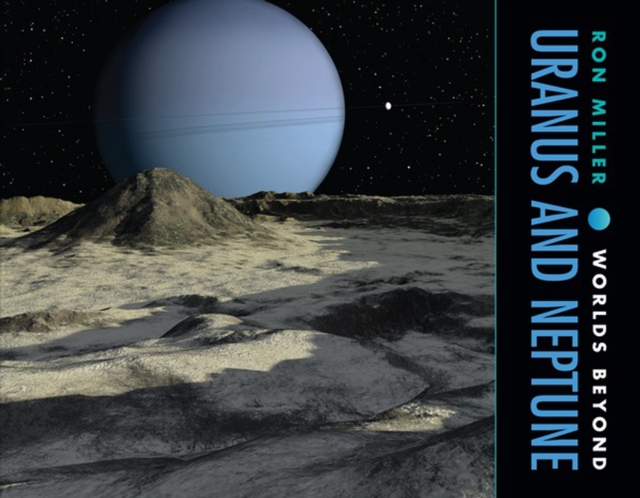
This book describes Neptune's most interesting features, its position in the solar system, its composition and atmospheric conditions, its moons, and how scientists have learned about it over time.
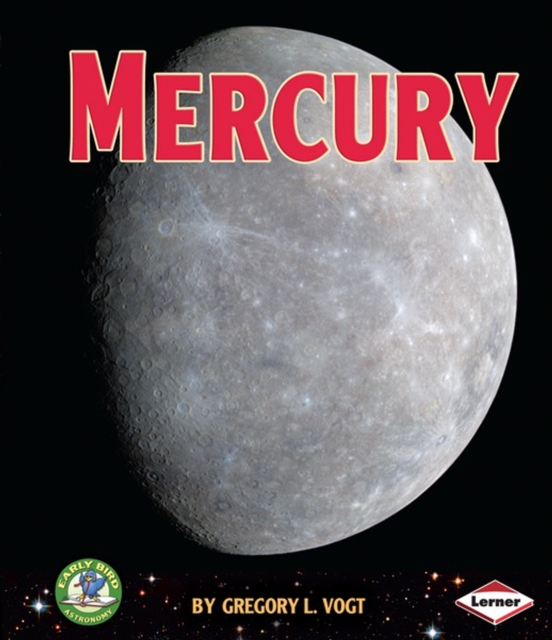
This book discusses Mercury's distinguishing characteristics, its position in the solar system its composition and atmospheric conditions, its moons, and how scientists have learned about Mercury over time.
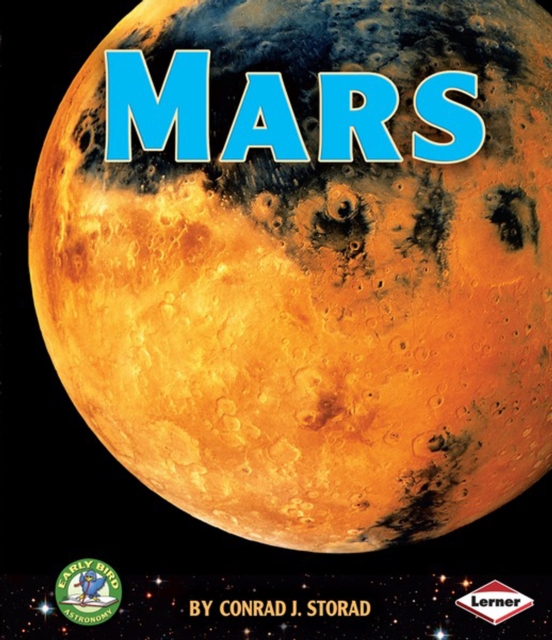
This book discusses Mars' distinguishing characteristics, its position in the solar system its composition and atmospheric conditions, its moons, and how scientists have learned about Mars over time.
Engaging and accessible text presents our planet's distinguishing features, its position in relation to the rest of the solar system, its composition and atmospheric conditions, its moon and the lunar cycle, and how scientists have learned about Earth and the moon through space missions.
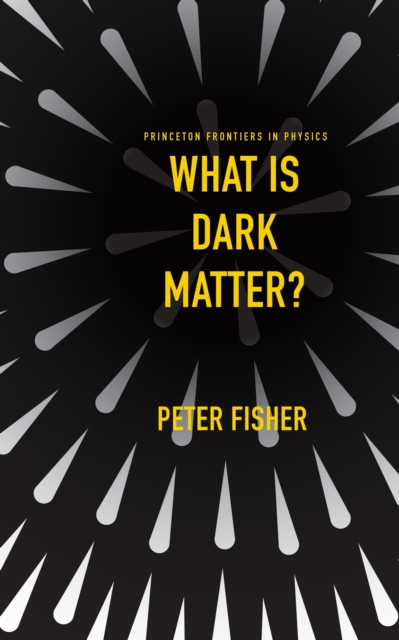
What we know about dark matter and what we have yet to discoverAstronomical observations have confirmed dark matter's existence, but what exactly is dark matter?
The absence of new physics at the TeV scale observed thus far at the Large Hadron Collider (LHC) motivates an increasing focus on searches for weakly-coupled new particles and exotic signatures.
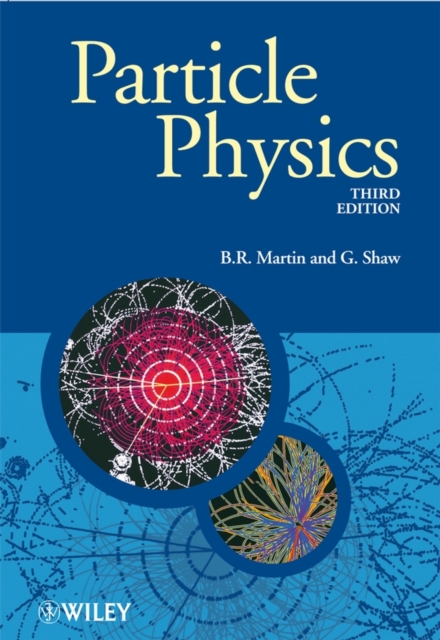
An essential introduction to particle physics, with coverage ranging from the basics through to the very latest developments, in an accessible and carefully structured text.
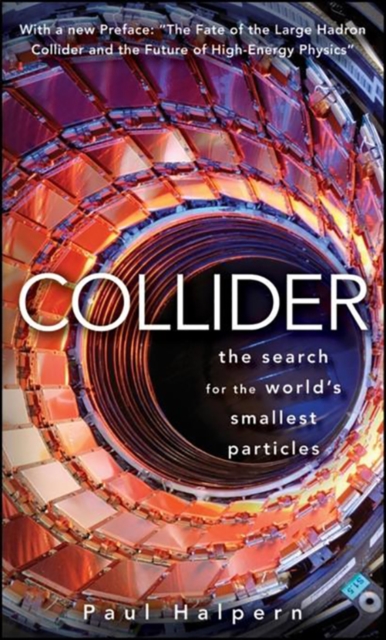
An accessible look at the hottest topic in physics and the experiments that will transform our understanding of the universeThe biggest news in science today is the Large Hadron Collider, the world's largest and most powerful particle-smasher, and the anticipation of finally discovering the Higgs boson particle.
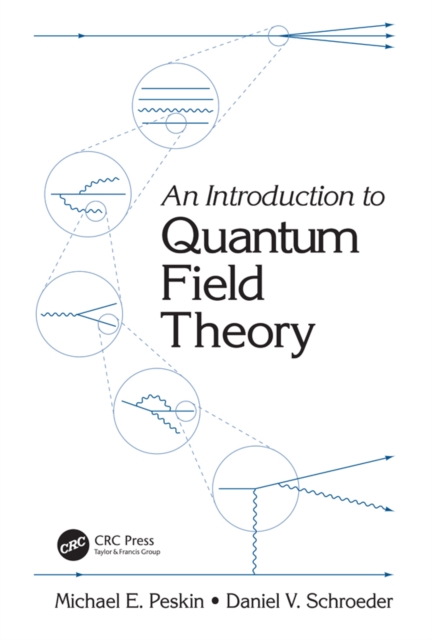
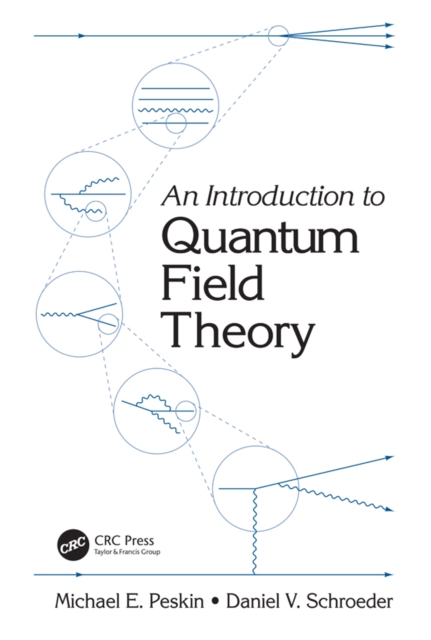
An Introduction to Quantum Field Theory is a textbook intended for the graduate physics course covering relativistic quantum mechanics, quantum electrodynamics, and Feynman diagrams.
A variety of evolutionary sequences of models for the solar interior has been computed, corresponding to variations in input data, to obtain some idea of the uncertainties involved in predicting a solar neutrino flux.
This monograph presents thirty research papers dealing with the classification of strongly interacting particles and their interaction according to the eightfold way.
This updated edition of Collider Physics surveys the major developments in theoretical and experimental particle physics and uses numerous illustrations to show how the Standard Model explains the experimental results.
This text material constitutes notes on the third of a three-semester course in quantum mechanics given at the California Institute of Technology in 1953, presenting the main results and calculational procedures of quantum electrodynamics.
This book considers the basic ideas of quantum mechanics, treating the concept of amplitude and discusses relativity and the idea of anti-particles and explains quantum electrodynamics.
An Introduction to Quantum Field Theory is a textbook intended for the graduate physics course covering relativistic quantum mechanics, quantum electrodynamics, and Feynman diagrams.
A variety of evolutionary sequences of models for the solar interior has been computed, corresponding to variations in input data, to obtain some idea of the uncertainties involved in predicting a solar neutrino flux.
This monograph presents thirty research papers dealing with the classification of strongly interacting particles and their interaction according to the eightfold way.
This updated edition of Collider Physics surveys the major developments in theoretical and experimental particle physics and uses numerous illustrations to show how the Standard Model explains the experimental results.
This text material constitutes notes on the third of a three-semester course in quantum mechanics given at the California Institute of Technology in 1953, presenting the main results and calculational procedures of quantum electrodynamics.