Exploring how scholars use digital resources to reconstruct the 19th century, this volume probes key issues in the intersection of digital humanities and history.
Drawing on the expertise of historical, literary and philosophical scholarship, practicing physicians, and the medical humanities this is a true interdisciplinary collaboration, styled as a history.
Hybrid Knowledge in the Early East India Company World presents a new interpretation of the development of the English East India Company between 1660 and 1720.
Based on extensive research in formerly secret archives, this volume examines the progress of Soviet industrialisation against the background of the rising threat of aggression from Germany, Japan and Italy, and the consolidation of Stalin's power.
Since its inception, NASA has participated in over 4,000 international projects, yet historians have almost entirely neglected this remarkable aspect of the agency's work.
The essays of this collection explore how ideas about 'blood' in science and literature have supported, at various points in history and in various places in the circum-Atlantic world, fantasies of human embodiment and human difference that serve to naturalize existing hierarchies.
Medics learned quickly to ignore standing operating procedures in order to save lives but tensions within infantry units created a paradoxical culture of isolation and acceptance.
Drawing upon economic history, cultural studies, intellectual history and the history of science and medicine, this collection of case studies examines the transatlantic transfer and transformation of goods and ideas, with particular emphasis on their reception in Europe.
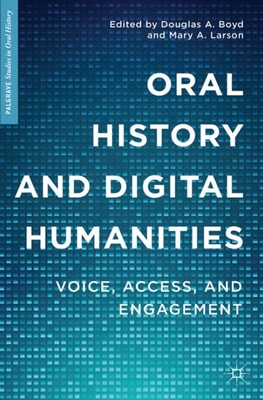
Exploring the developments that have occurred in the practice of oral history since digital audio and video became viable, this book explores various groundbreaking projects in the history of digital oral history, distilling the insights of pioneers in the field and applying them to the constantly changing electronic landscape of today.
Through an examination that uses previously unavailable archives and little-used primary literature, this book places the twentieth-century mental hygiene movement within the broad sweep of modern British psychiatry, offering its own reinterpretation of important elements of this history.
This first major study of girls' health in modern Britain explores how debates and advice on healthy girlhood shaped ideas about the lives of young women from the 1870s to the 1920s, as theories concerning the biological limitations of female adolescence were challenged and girls moved into new arenas in the workplace, sport and recreation.
Offering new historical understandings of human responses to climate and climate change, this cutting-edge volume explores the dynamic relationship between settlement, climate, and colonization, covering everything from the physical impact of climate on agriculture and land development to the development of "folk" and government meteorologies.
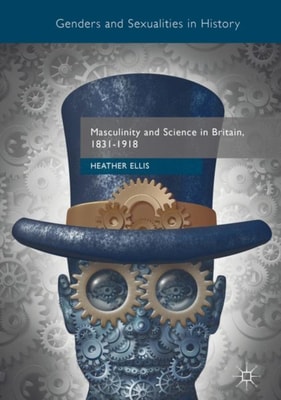
This book offers the first in-depth study of the masculine self-fashioning of scientific practitioners in nineteenth and early twentieth-century Britain.
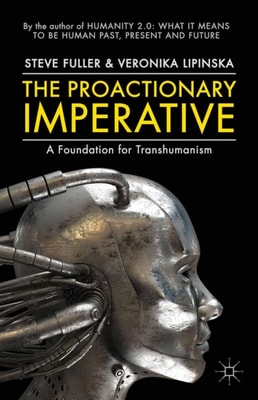
The Proactionary Imperative debates the concept of transforming human nature, including such thorny topics as humanity's privilege as a species, our capacity to 'play God', the idea that we might treat our genes as a capital investment, eugenics and what it might mean to be 'human' in the context of risky scientific and technological interventions.
In 1900 Hungary was a regional power in Europe with imperial pretensions; by 1919 it was crippled by profound territorial, social and national transformations.
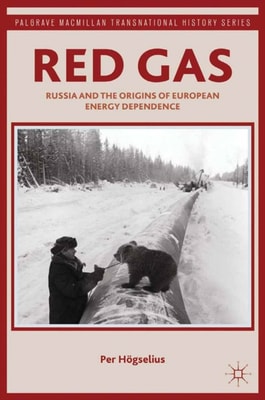
This book applies a systems and risk perspective on international energy relations, author Per Hogselius investigates how and why governments, businesses, engineers and other actors sought to promote - and oppose- the establishment of an extensive East-West natural gas regime that seemed to overthrow the fundamental logic of the Cold War.
Racism, race hygiene, eugenics, and their histories have for a long time been studied in terms of individual countries, whether genocidal ideology in Nazi Germany or scientific racial theories in the United States.
Explaining crime by reference to abnormalities of the brain is just one example of how the human and social sciences have influenced the approach to social problems in Western societies since 1880.
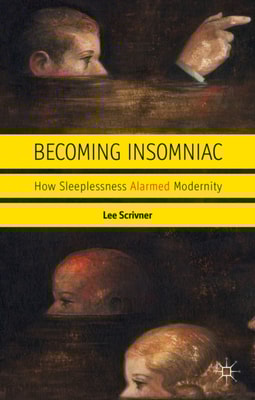
A study of the history of modern insomnia, this book explores how poets, journalists, and doctors of the Victorian period found themselves in near-universal agreement that modernity and sleep were somehow incompatible.
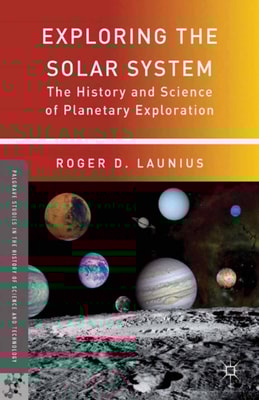
Beginning in the early days of the Space Age - well before the advent of manned spaceflight - the United States, followed soon by other nations, undertook an ambitious effort to study the planets of the solar system.
The Politics of Addiction examines power and policy-making in the context of a bitter conflict between private and publicly employed doctors treating addiction.
This book surveys the appearances of righteous heathens or virtuous pagans in travel literature, chronicles, romances, and sermons, as well as in the work of Langland, Chaucer and Gower.
This study of the female members of the Order or Hospital of Saint John of Jerusalem in the High Middle Ages analyses their presence in the context of female monasticism and compares their position to the position of women in other religious military orders.
Max Muller is often referred to as the 'father of Religious Studies', having himself coined the term 'science of religion' (or religionswissenschaft) in 1873.
A beautifully written exposition of Freud's ideas and how they emerged from the zeitgeist of the age, Stevens offers students and general readers a stimulating and uniquely balanced assessment of Freud's work.