Chance and Temporal Asymmetry presents a collection of cutting-edge research papers in the metaphysics of science, tackling the perplexing philosophical problems raised by recent progress in the physics and metaphysics of chance and time.
Cheryl Misak presents a history of the great American philosophical tradition of pragmatism, from its inception in the Metaphysical Club of the 1870s to the present day.
Richard Pettigrew offers an extended investigation into a particular way of justifying the rational principles that govern our credences (or degrees of belief).
Since Hilary Putnam offered multiple realization as an empirical hypothesis in the 1960s, philosophical consensus has turned against the idea that mental processes could be identified with brain processes, and multiple realization has become the keystone of the 'antireductive consensus' across philosophy of science broadly.
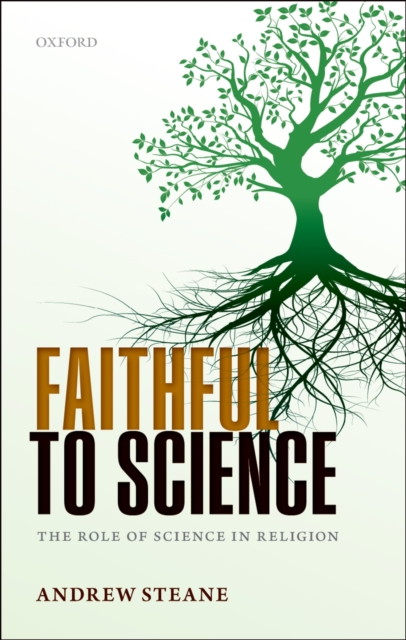
Frequently, alleged irreconcilable conflicts between science and religion are instead misdescribed battles concerning negotiable philosophical assumptions--conflicts between metaphysics and metaphysics.
Most philosophers have taken the importance of Kant's Critique of Judgement to lie primarily in its contributions to aesthetics and to the philosophy of biology.
Most philosophers have taken the importance of Kant's Critique of Judgement to lie primarily in its contributions to aesthetics and to the philosophy of biology.
This book is offers a broad, comparative survey of a booming field within the history of science: the history, generation, use, and function of images in scientific practice.
The rapid developments in technologies -- especially computing and the advent of many 'smart' devices, as well as rapid and perpetual communication via the Internet -- has led to a frequently voiced view which Nicholas Agar describes as 'radical optimism'.
The rapid developments in technologies -- especially computing and the advent of many 'smart' devices, as well as rapid and perpetual communication via the Internet -- has led to a frequently voiced view which Nicholas Agar describes as 'radical optimism'.
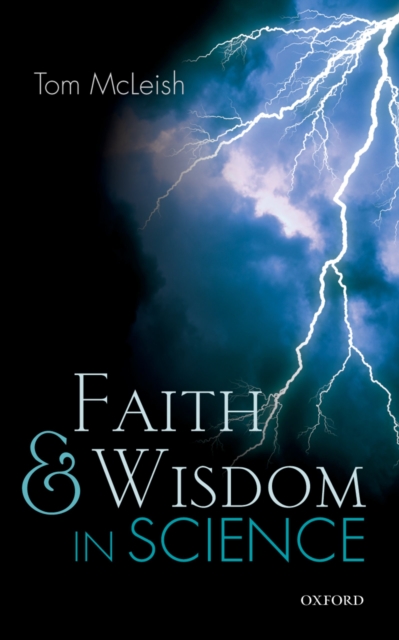
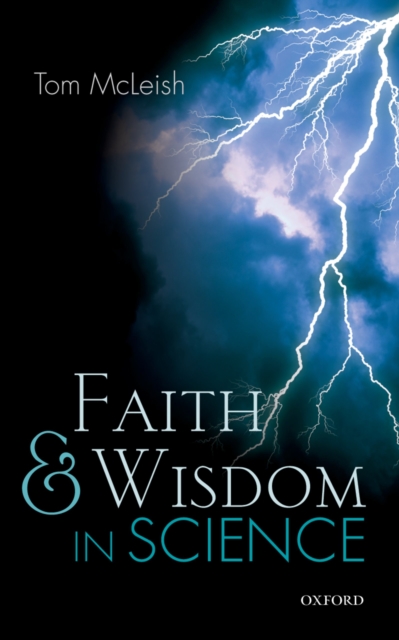
Science and religious faith are two of the most important and influential forces in human life, yet there is widespread confusion about how, or indeed whether, they link together.
Science and religious faith are two of the most important and influential forces in human life, yet there is widespread confusion about how, or indeed whether, they link together.
This classic collection of essays, first published in 1968, has had an enduring impact on academic and public debates about criminal responsibility and criminal punishment.
Frequently, alleged irreconcilable conflicts between science and religion are instead misdescribed battles concerning negotiable philosophical assumptions--conflicts between metaphysics and metaphysics.
Long before science as we know it today existed, sophisticated studies of the external world were undertaken, notably in Mesopotamia, India, China, and Greece.
Long before science as we know it today existed, sophisticated studies of the external world were undertaken, notably in Mesopotamia, India, China, and Greece.
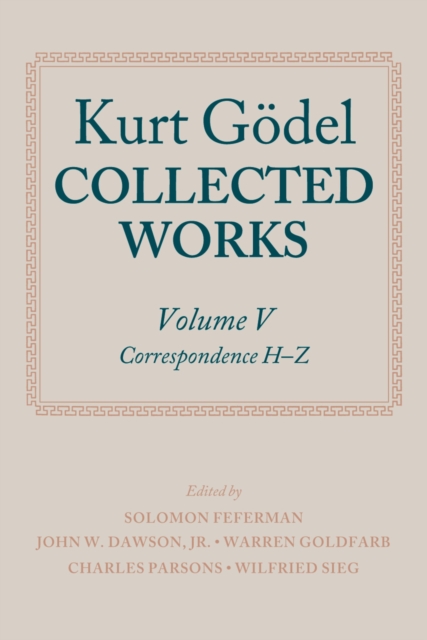
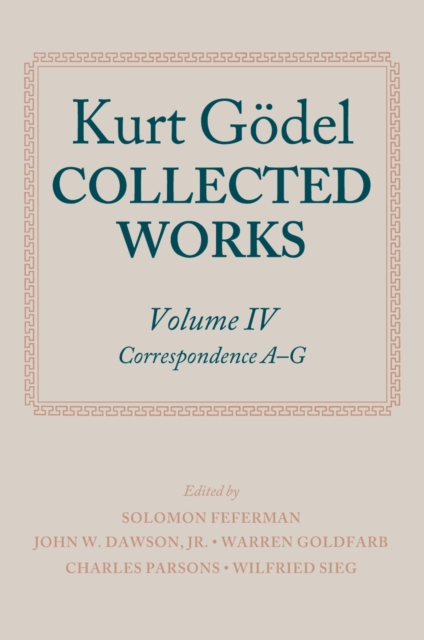
Kurt Godel (1906 - 1978) was the most outstanding logician of the twentieth century, famous for his hallmark works on the completeness of logic, the incompleteness of number theory, and the consistency of the axiom of choice and the continuum hypothesis.
Kurt Godel (1906 - 1978) was the most outstanding logician of the twentieth century, famous for his hallmark works on the completeness of logic, the incompleteness of number theory, and the consistency of the axiom of choice and the continuum hypothesis.
This volume is the first to present a framework of general principles for animal research ethics together with an analysis of the principles' meaning and moral requirements.
This volume is the first to present a framework of general principles for animal research ethics together with an analysis of the principles' meaning and moral requirements.