SHORTLISTED FOR THE BOARDMAN TASKER AWARD FOR MOUNTAIN LITERATURE'If Michael Palin had been a volcanologist, this is the book he would have written' LITERARY REVIEW'Gripping' THE ECONOMIST'Wonderful' PETER FRANKOPAN'Like a thriller .
Embark on an intergalactic adventure where you'll study bright galaxies, envision new planets, and explore futuristic technology in this imaginative science activity book for kids!
'York is a witty, whip-smart, lithely engaging science storyteller, truly one of our best' Mary Roach, author of Stiff and Fuzz A playful examination of how science's silliest research leads to crucial breakthroughs and enduring insights.
Science for Responsible Citizenship helps the reader to understand how science works and how science can help us develop reasonable and logical solutions to worldwide problems.
Provide a comprehensive and engaging student-centred approach to Human and Social Biology with an updated textbook aligned to the latest CSEC syllabus for examination from June 2022.
This second collection of interesting mathematical puzzles continues the tribute to Martin Gardner, who has provided us with original puzzles and puzzling stories ever since he created and produced the "e;Mathematical Games"e; column in Scientific American.
Concerns about the recent explosions of diseases like HIV, the West Nile Virus, and other avian and swine flus that originate in animals have encouraged new efforts on a global scale to bridge the gap between animal and human medicine for the benefit of both.
Less than 450 years ago, all European scholars believed that the Earth was at the centre of a Universe that was at most a few million miles in extent, and that the planets, sun, and stars all rotated around this centre.
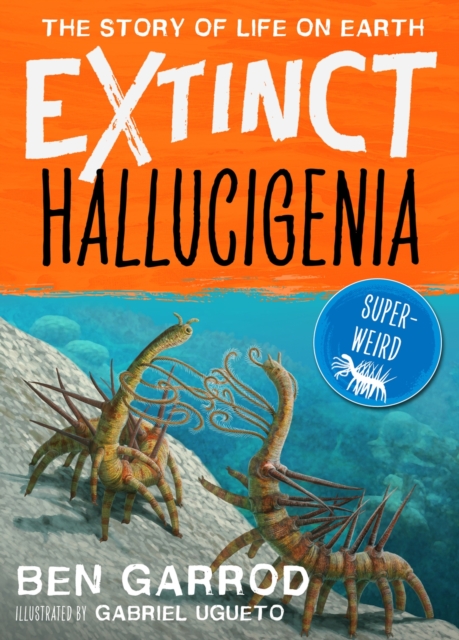
TV scientist Ben Garrod presents the biggest extinction events ever, told from the point of view of evolution's superstars, the most incredible animals ever to swim, stalk, slither or walk our planet.
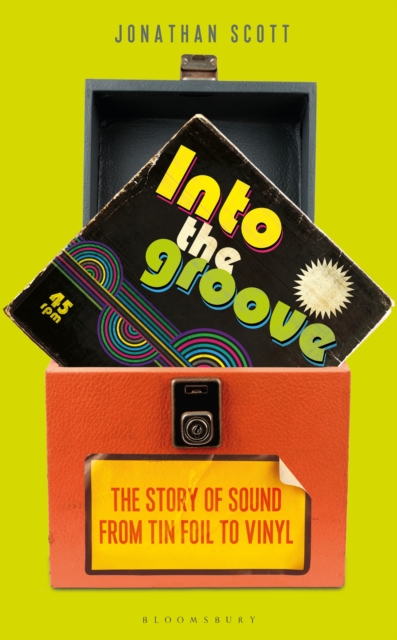
'By mixing lo-fi charm into hi-fi science Into the Groove captures all the wonder and absurdity of its subject, jumping and skipping with real analogue delight.
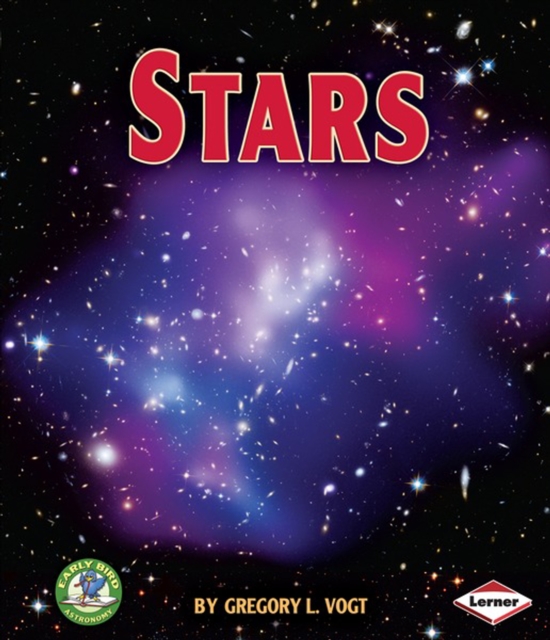
In this lively and informative book, beginning readers will be introduced to the physical characteristics of stars - as well as the major stars in our solar system.
Mathematical Puzzle Tales from Mount Olympus uses fascinating tales from Greek Mythology as the background for introducing mathematics puzzles to the general public.
Mathematical Puzzle Tales from Mount Olympus uses fascinating tales from Greek Mythology as the background for introducing mathematics puzzles to the general public.
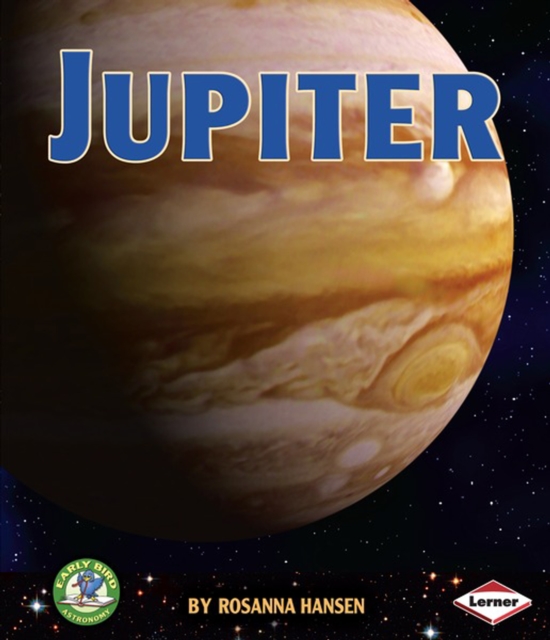
This books discusses Jupiter's distinguishing characteristics, its position in the solar system, its composition and atmospheric conditions, its moons and rings, and how scientists have learned about Jupiter over time.
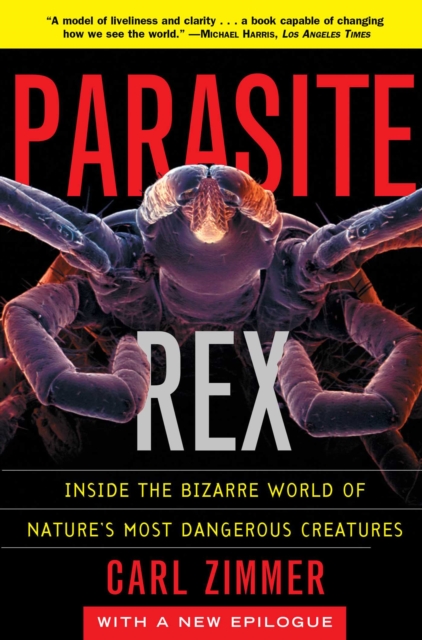
Combining the literary sensibility of David Quammen with the scientific rigor of Stephen Jay Gould, Carl Zimmer reveals the power, danger, and beauty of the surprising creatures who dominate the earth: parasites.
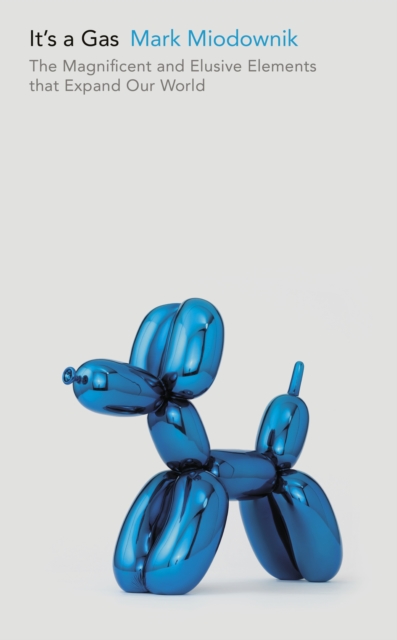
'A delight' Dara O Briain'A witty, smart writer who has a great talent' Bill Gates'A winning blend of education and anecdote' Clive Cookson, FTWhy are most gases invisible, odourless and tasteless?