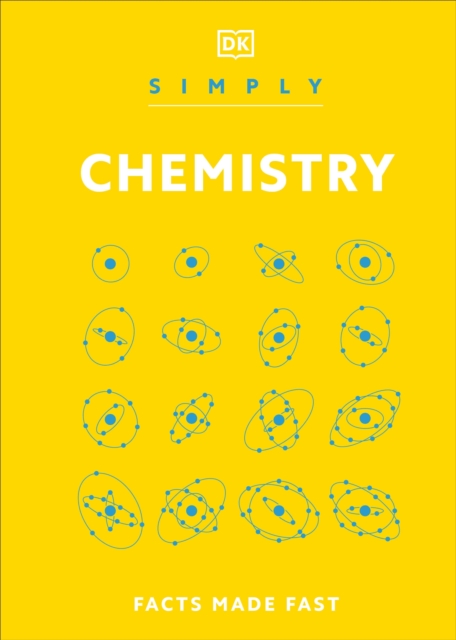
Combining bold graphics with easy-to-understand text, Simply Chemistry is the perfect introduction for those who are short of time but hungry for knowledge.
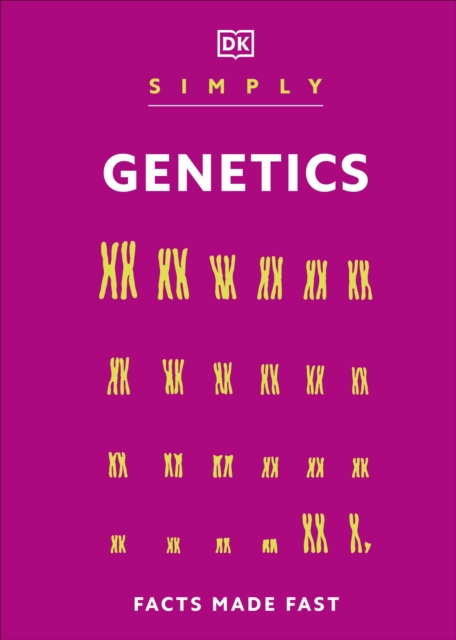
Combining bold graphics with easy-to-understand text, this is the perfect introduction to the blueprint of life for those who are short on time but hungry for knowledge.
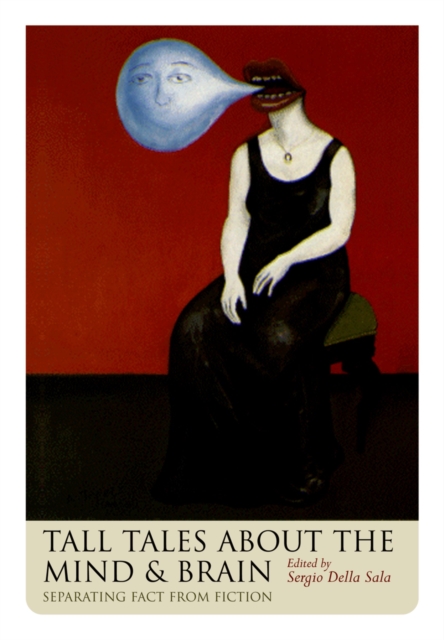
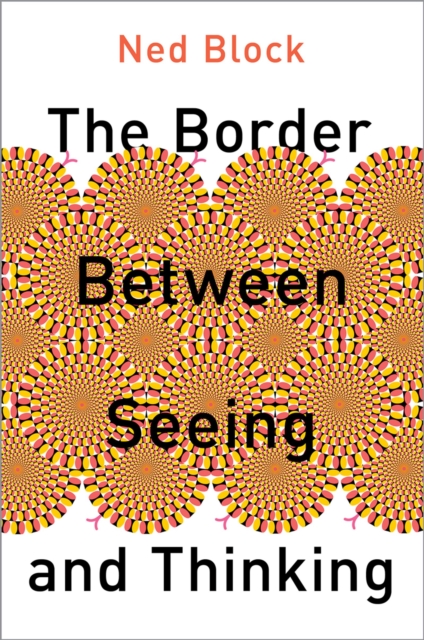
Philosopher Ned Block argues in this book that there is a "e;joint in nature"e; between perception and cognition and that by exploring the nature of that joint, one can solve mysteries of the mind.
After the huge national and international success of 'Longitude' and 'Gallileo's Daughter', Dava Sobel tells the human story of the nine planets of our solar system.
Ben Goldacre's wise and witty bestseller, shortlisted for the Samuel Johnson Prize, lifts the lid on quack doctors, flaky statistics, scaremongering journalists and evil pharmaceutical corporations.
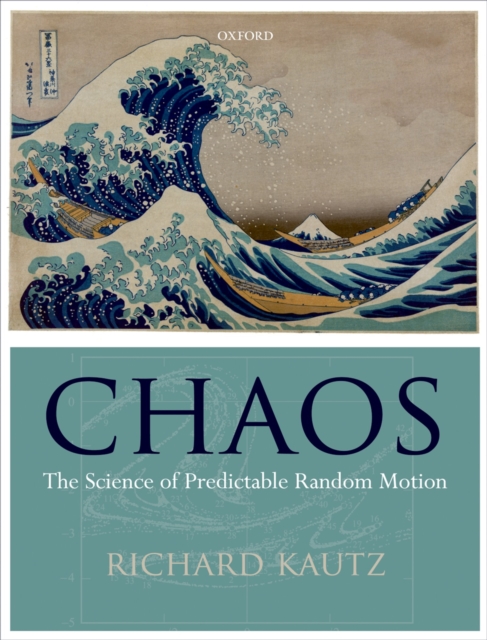
Based on only elementary mathematics, this engaging account of chaos theory bridges the gap between introductions for the layman and college-level texts.
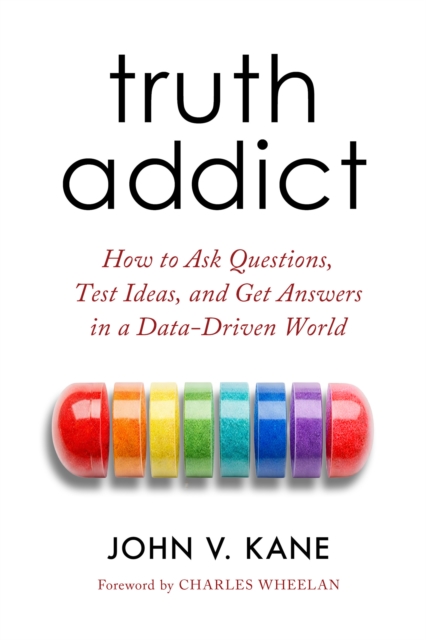
Foreword by Charles Wheelan, author of New York Times bestseller Naked Statistics: Stripping the Dread from the DataWhat makes some evidence strong, some evidence weak, and some evidence total nonsense?
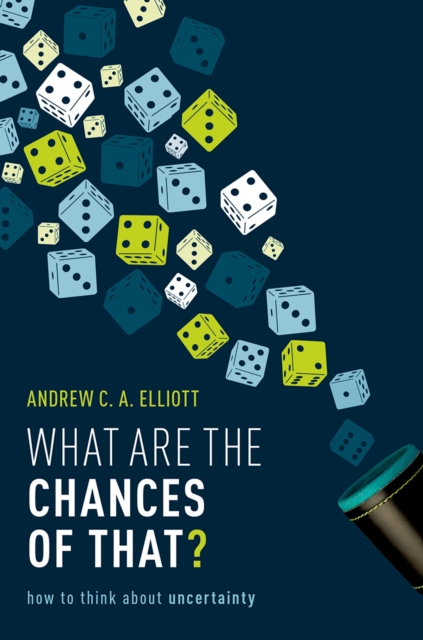
Probably the UK s greatest living statistician TelegraphFrom the UK s statistical national treasure , a clever and data-driven guide to how we can live with risk and uncertaintyWe live in a world where uncertainty is inevitable.
How our growing knowledge of the evolution of complex ecosystems, using the latest genetic tools, can help us heal them - and surviveThis is not another Chicken Little book about the environment.
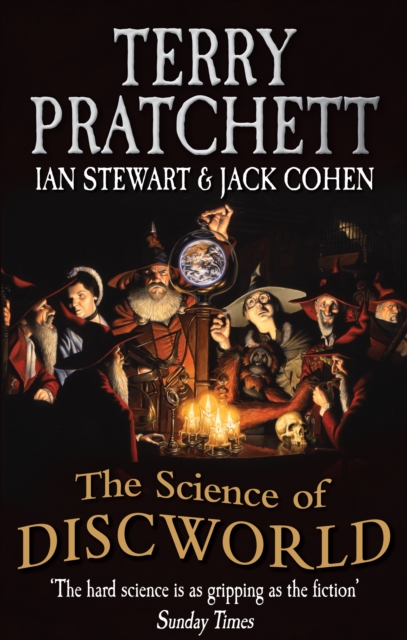
The fantastic first book in the Sunday Times bestselling Science of Discworld seriesWhen a wizardly experiment goes adrift, the wizards of Unseen University find themselves with a pocket universe on their hands: Roundworld, where neither magic nor common sense seems to stand a chance against logic.
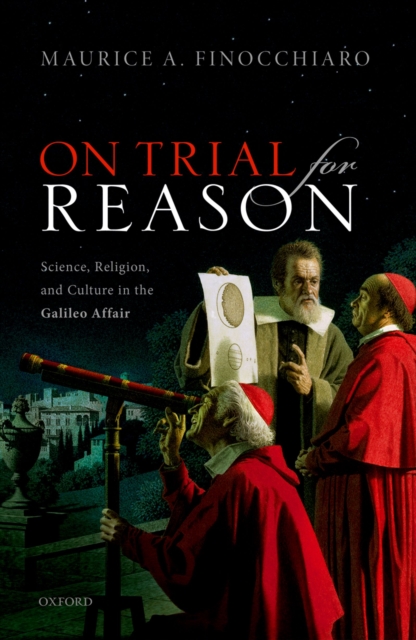
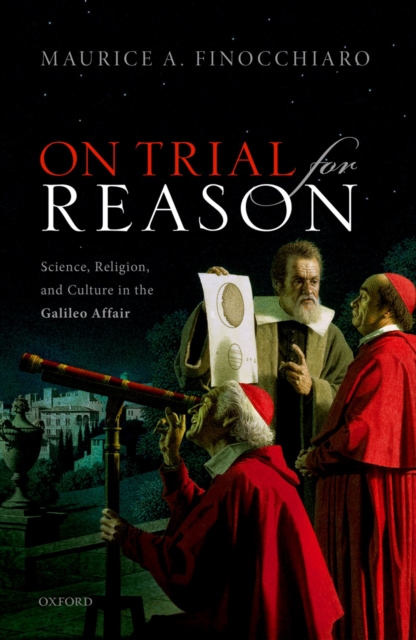
In 1633 the Roman Inquisition condemned Galileo as a suspected heretic for defending the astronomical theory that the earth moves, and implicitly assuming the theological principle that Scripture is not scientific authority.
In 1633 the Roman Inquisition condemned Galileo as a suspected heretic for defending the astronomical theory that the earth moves, and implicitly assuming the theological principle that Scripture is not scientific authority.