Scientific knowledge is the most solid and robust kind of knowledge that humans have because of the self-correcting character inherent in its own processes.
Scientific knowledge is the most solid and robust kind of knowledge that humans have because of the self-correcting character inherent in its own processes.
After decades of painstaking planning, NASA's first dedicated exoplanet detection mission, the Kepler space telescope, was launched in 2009 from Cape Canaveral.
The goal of Molecules, Microbes, and Meals is to provide an overview of the science of food, exploring all aspects of how food products we purchase and consume come to have the characteristics they do.
The goal of Molecules, Microbes, and Meals is to provide an overview of the science of food, exploring all aspects of how food products we purchase and consume come to have the characteristics they do.
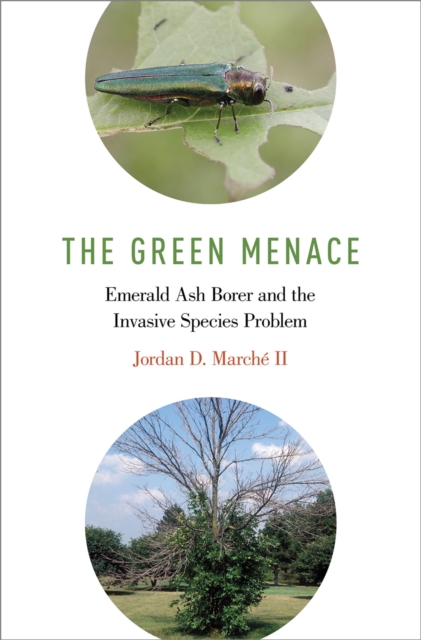
This volume is an account of the scientific and social responses made to the discovery of an invasive forest insect -- the emerald ash borer or EAB (Agrilus planipennis Fairmaire, 1888) -- in North America, that was formally announced in July 2002.
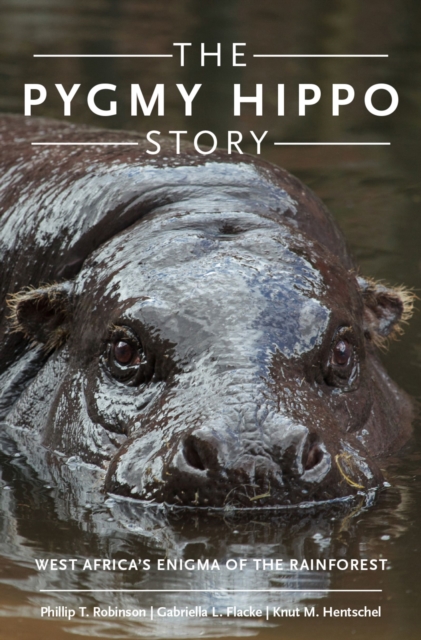
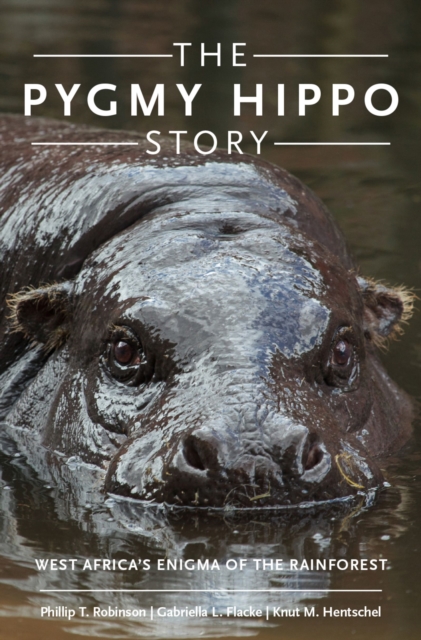
Though the pygmy hippopotamus has been designated as a flagship species of West African forests (meaning that by raising conservation efforts for a single species, an entire ecological region could benefit), very little research has been published on the animal.
Though the pygmy hippopotamus has been designated as a flagship species of West African forests (meaning that by raising conservation efforts for a single species, an entire ecological region could benefit), very little research has been published on the animal.
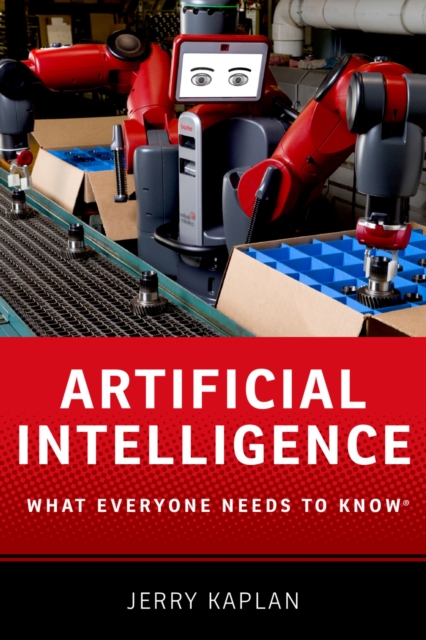
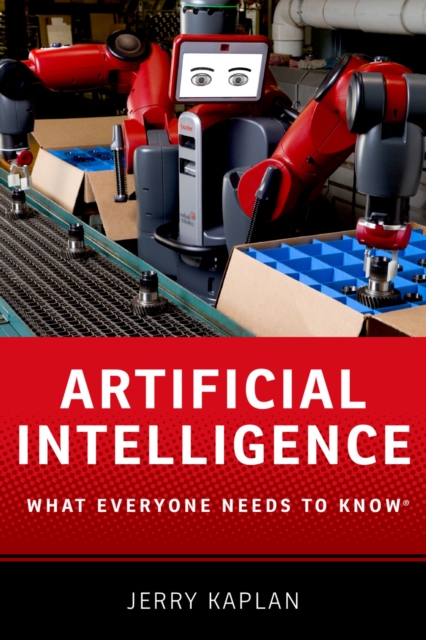
Over the coming decades, Artificial Intelligence will profoundly impact the way we live, work, wage war, play, seek a mate, educate our young, and care for our elderly.
Over the coming decades, Artificial Intelligence will profoundly impact the way we live, work, wage war, play, seek a mate, educate our young, and care for our elderly.
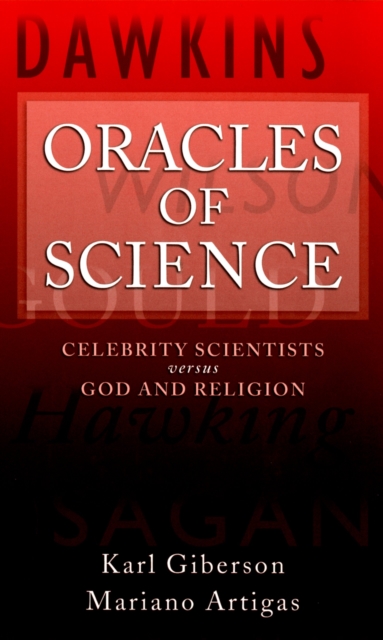
Oracles of Science examines the popular writings of the six scientists who have been the most influential in shaping our perception of science, how it works, and how it relates to other fields of human endeavor, especially religion.
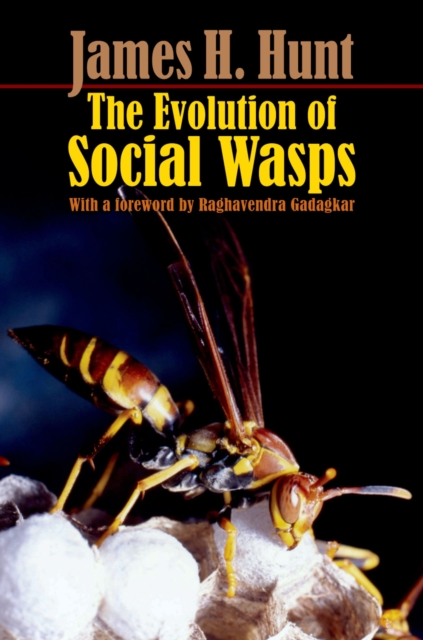
Social behavior occurs in some of the smallest animals as well as some the largest, and the transition from solitary life to sociality is an unsolved evolutionary mystery.
From the gene that causes people to age prematurely to the "e;bitter gene"e; that may spawn broccoli haters, this book explores a few of the more exotic locales on the human genome, highlighting some of the tragic and bizarre ways our bodies go wrong when genes fall prey to mutation and the curious ways in which genes have evolved for our survival.
Insects and fungi have a shared history of association in common habitats where together they endure similar environmental conditions, but only recently have mycologists and entomologists recognized and had the techniques to study the intricacies of some of the associations.
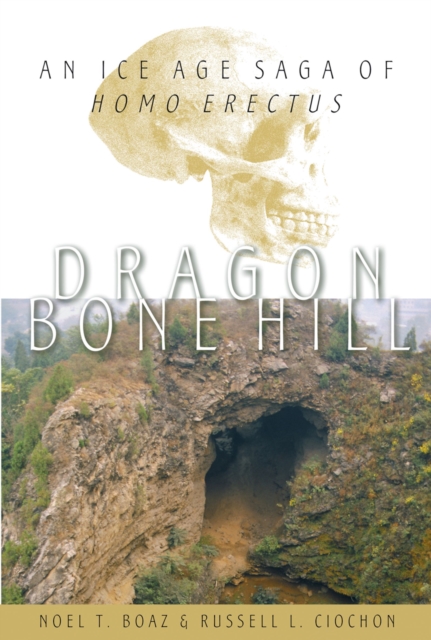
"e;Peking Man,"e; a cave man once thought a great hunter who had first tamed fire, actually was a composite of the gnawed remains of some fifty women, children, and men unfortunate enough to have been the prey of the giant cave hyena.
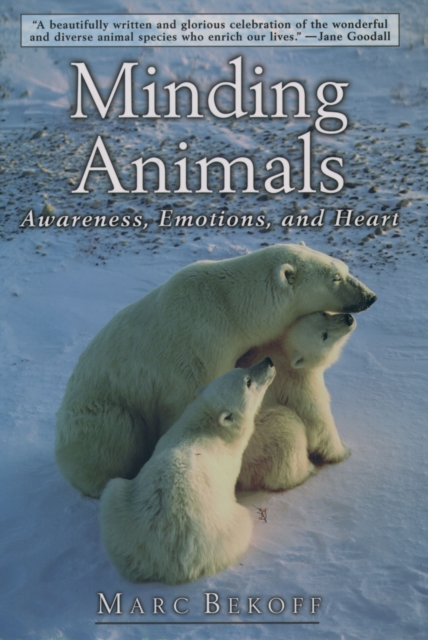
Thinking bees, ice-skating buffaloes, dreaming rats, happy foxes, ecstatic elephants, despondent dolphins--in Minding Animals, Marc Bekoff takes us on an exhilarating tour of the emotional and mental world of animals, where we meet creatures who do amazing things and whose lives are filled with mysteries.
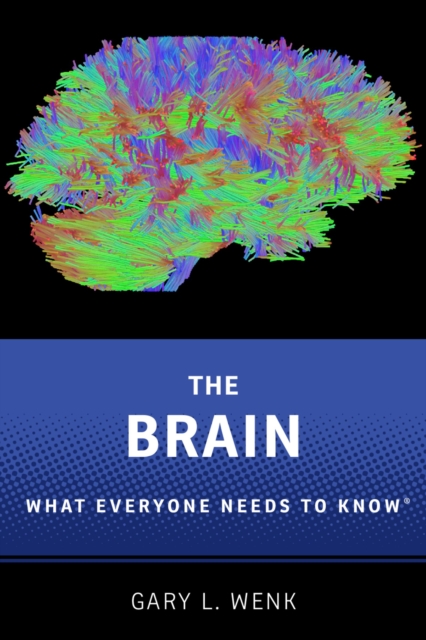
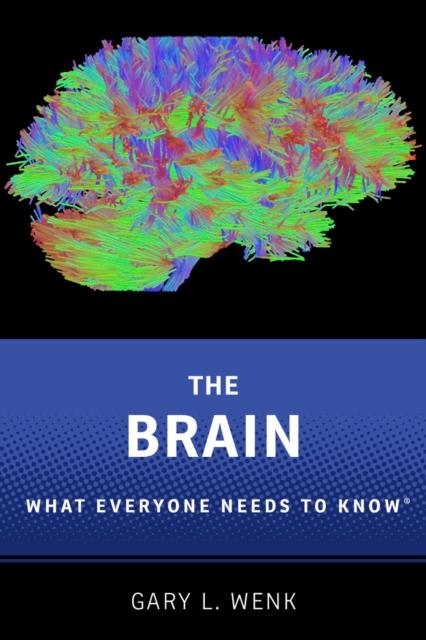
Most of what has been learned about how the brain mediates behavior comes from experiments of nature where a stroke or other damage to the brain produces changes in a person's behavior.
As author of the bestselling Why People Believe Weird Things and How We Believe, and Editor-in-Chief of Skeptic magazine, Michael Shermer has emerged as the nation's number one scourge of superstition and bad science.
From the revolutionary discoveries of Galileo and Newton to the mind-bending theories of Einstein and Heisenberg, from plate tectonics to particle physics, from the origin of life to universal entropy, and from biology to cosmology, here is a sweeping, readable, and dynamic account of the whole of Western science.
A World From Dust describes how a set of chemical rules combined with the principles of evolution in order to create an environment in which life as we know it could unfold.
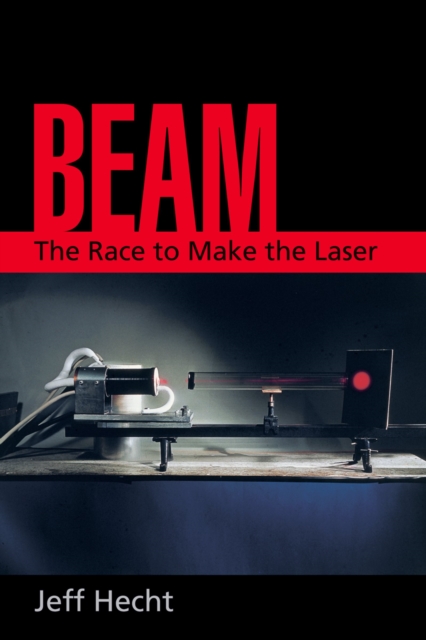
Beam is the story of the race to make the laser, the three intense years from the birth of the laser idea to its breakthrough demonstration in a California laboratory.