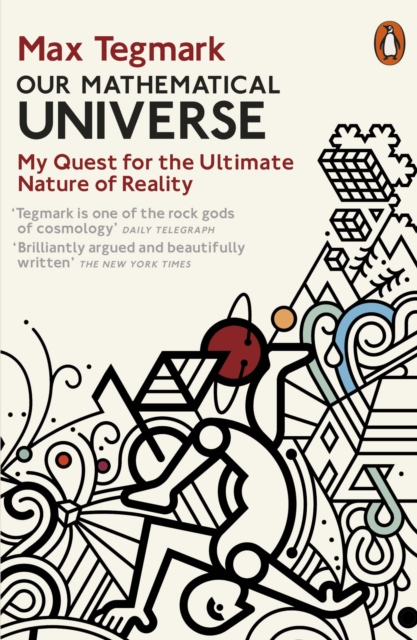
Max Tegmark leads us on an astonishing journey through past, present, and future, and through the physics, astronomy, and mathematics that are the foundation of his work, most particularly his hypothesis that our physical reality is a mathematical structure and his theory of the ultimate multiverse.
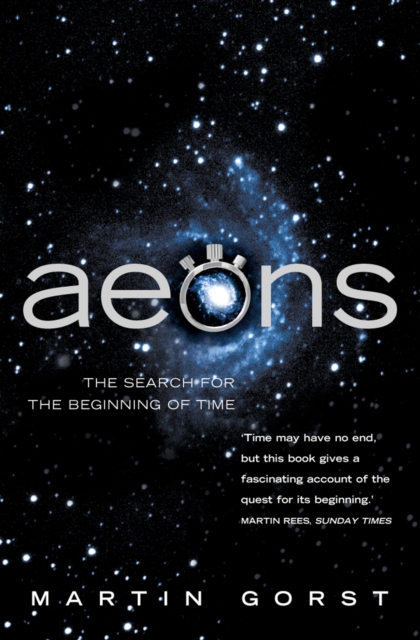
The full story of man's attempt to discover the moment that time began, from James Ussher's confident assertion in 1650 that the world was 5,654 years old to the Hubble Space telescope's images of a world 13 billion years old, with a starry cast of eccentrics, mystics, scientists and visonaries.
'With a dazzling command of science and a relentless faith in people, George Monbiot writes about social change with his eyes wide open' Naomi Klein'A manifesto for change .
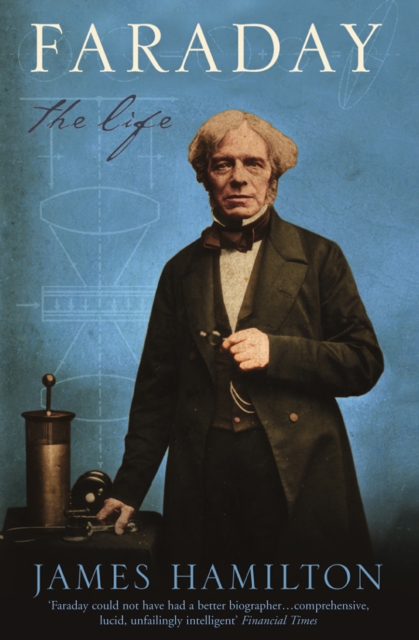
A major biography of Michael Faraday (1791-1867), one of the giants of 19th century science and discoverer of electricity who was at the centre of an extraordinary scientific renaissance in London.
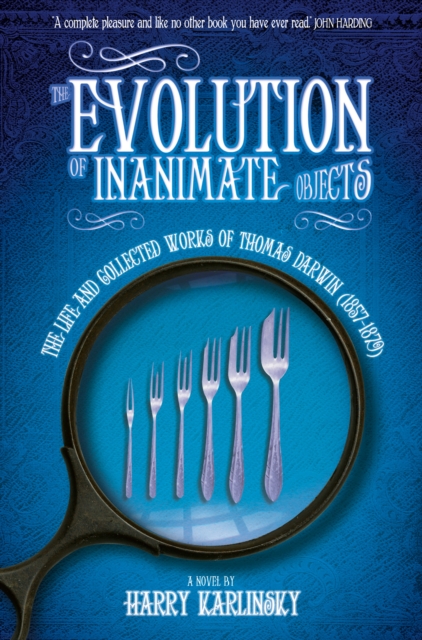
LONGLISTED FOR THE WELLCOME TRUST BOOK PRIZE 2012While carrying out historical research at an Ontario asylum, psychiatrist Harry Karlinsky comes across a familiar surname in the register.
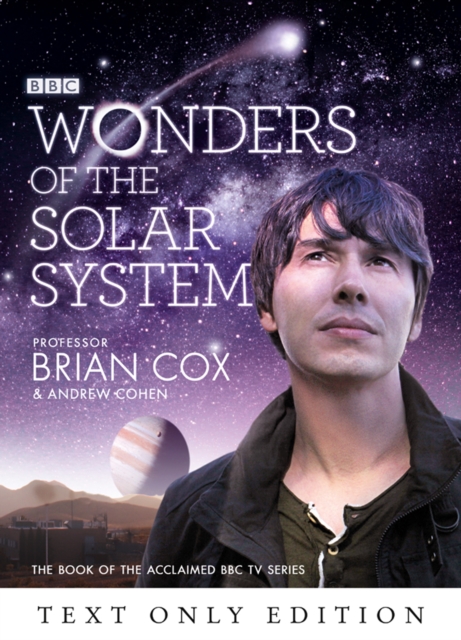
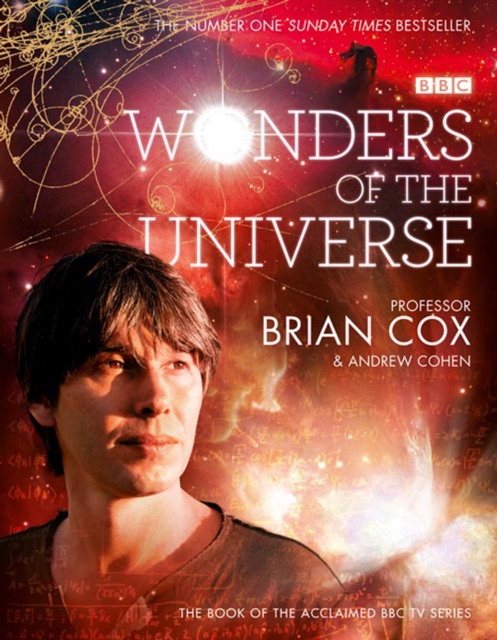
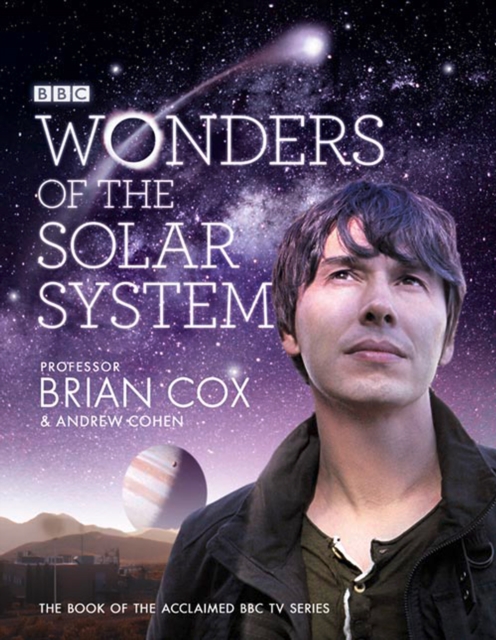
The Sunday Times BestsellerIn Wonders of the Solar System - the book of the acclaimed BBC TV series - Professor Brian Cox will take us on a journey of discovery where alien worlds from your imagination become places we can see, feel and visit.
'No need to count calories, go hungry or diet ever again' The TimesThis revolutionary book reveals:Ten reasons why eating a low-fat, calorie controlled diet makes sustained weight loss virtually impossible.
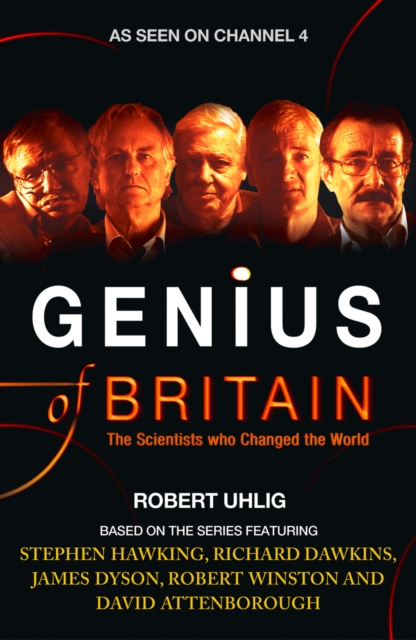
The extraordinary history of British science, with commentary from Britain's greatest living scientists: Stephen Hawking, Richard Dawkins and James DysonWe may only be a small island, but we are far from small-minded.
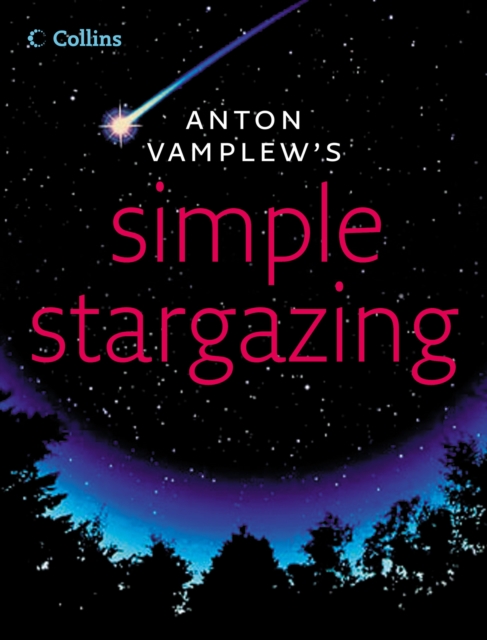
A first-time skywatcher's guide from bright new talent, BBC Blue Peter astronomer, Anton VamplewMost books on stargazing claim to be for beginners, but by page 12 are talking about celestial equators and sidereal months.
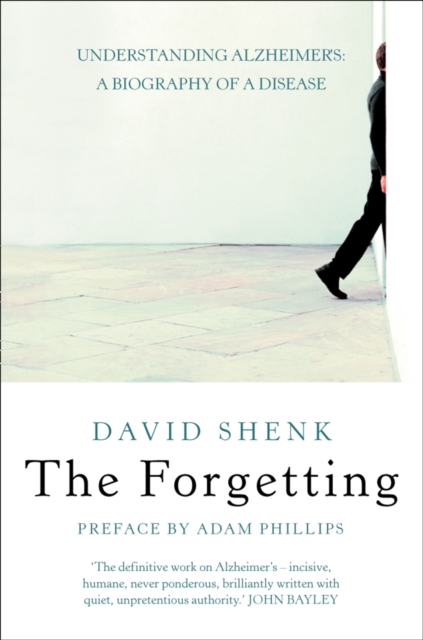
Winner of the 2002 BMA Popular Medicine Book Prize: This is a haunting literary and scientific examination of Alzheimer's disease and the race to find a cure.
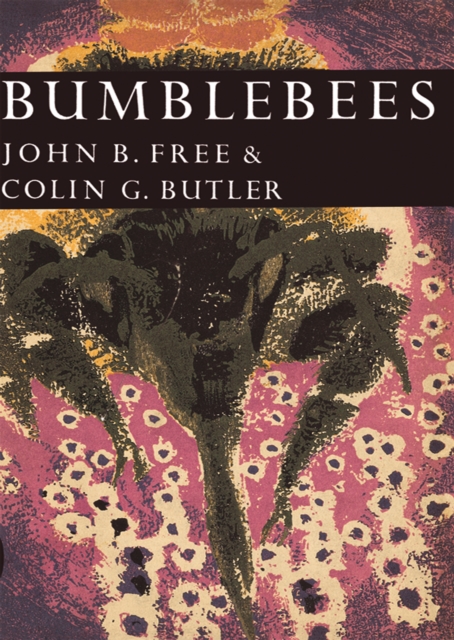
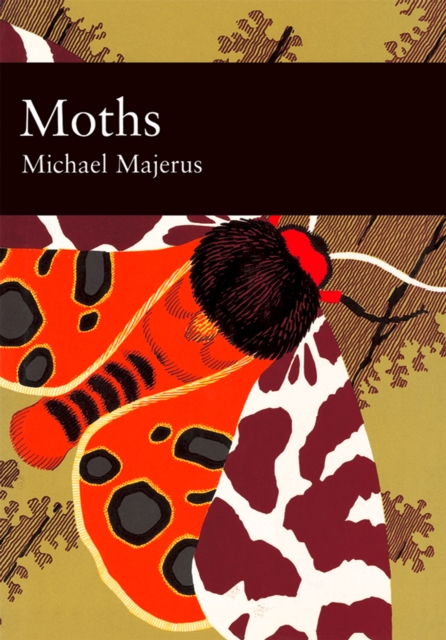
This group of relatively large, colourful and familiar insects are a very popular subject of study because their behaviour can be observed without the use of elaborate equipment.
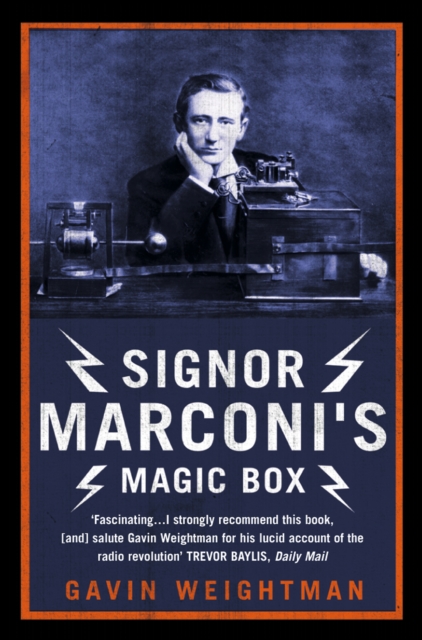
The intriguing story of how wireless was invented by Guglielmo Marconi - and how it amused Queen Victoria, saved the lives of the Titanic survivors, tracked down criminals and began the radio revolution.
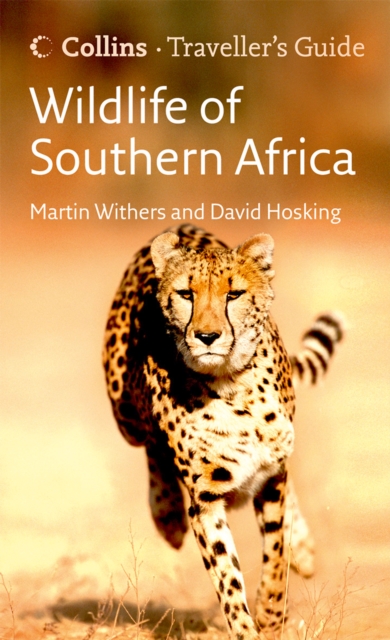
The perfect companion for the safari enthusiast, this complete traveller's guide to the wildlife of Namibia, Botswana, Zimbabwe, South Africa and Malawi is a must-have for all those considering a trip to the game reserves of this highly popular region.
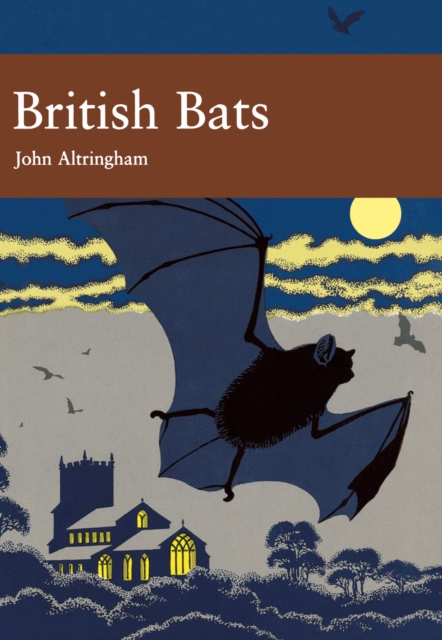
British Bats is a comprehensive account of the natural history of these fascinating animals, from their origins and evolution to their feeding habits and reproduction.
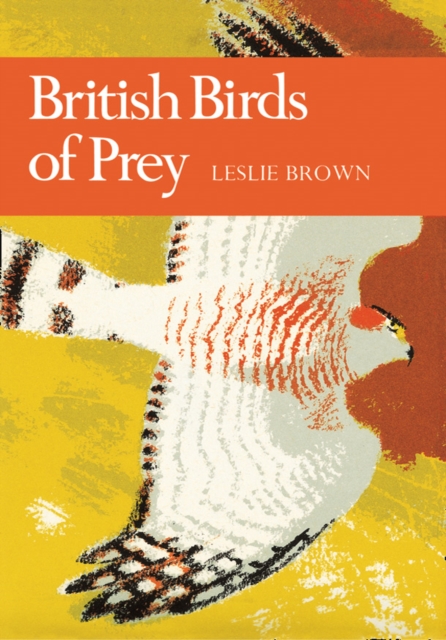
Leslie Brown's account of our 15 resident, 7 vagrant and 2 migrant species of eagles, falcons, hawks and vultures in Britain presents a great mass of scientific information about our birds of prey in a manner as attractive to the general reader as to the dedicated ornithologist.
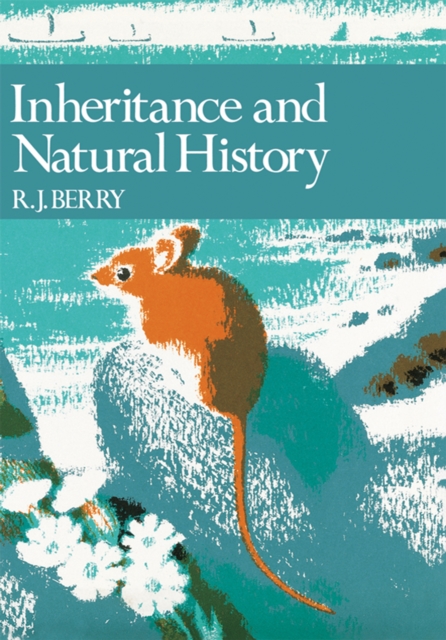
Ever wondered why primroses have three sorts of flowers; or about pesticide resistance in rats and mice, mosquitoes and green-fly; antibiotic resistance in disease organisms - all are examples of genetical adjustment, explained in this book.
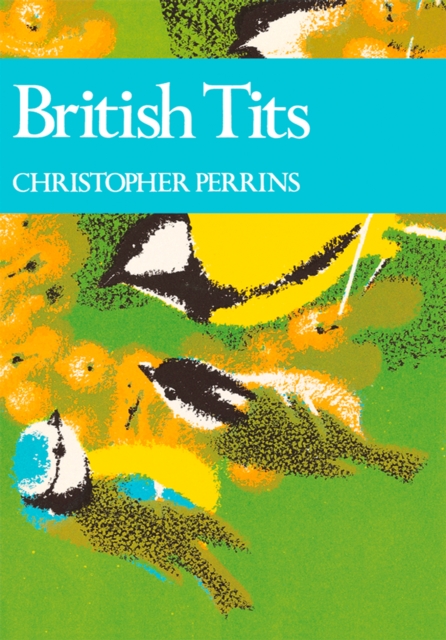
In addition to dealing with the general biology and behaviour of the birds, Dr Perrins gives full attention to such things as their social lives, their intelligence and adaptiveness, and their puzzling ability to adjust their population sizes to the future availability of food.
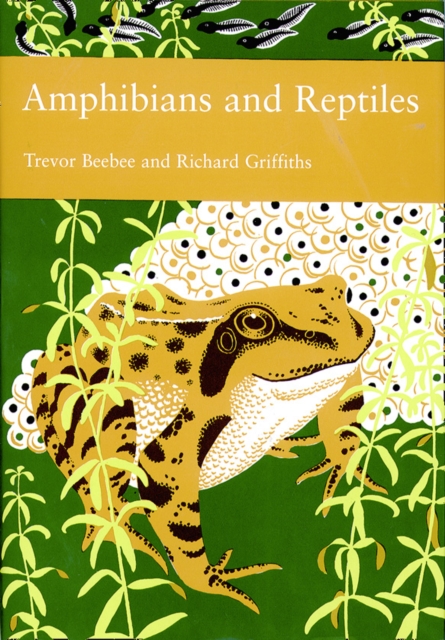
Building on the solid foundations established by the two earlier New Naturalist volumes on this subject, eminent herpetologists Trevor Beebee and Richard Griffiths have brought together a wealth of new and fascinating information on the British amphibians and reptiles.
A narrative history of the men and women who have explored Mars and mapped its surface from afar, and in so doing conditioned our understanding of our nearest planetary neighbour.
The No Logo of climate change - a book that shows how global warming is not a theory we should still debate, but something that has already happened on a global scale.
Combining myth, biography, and wit, this is a highly original depiction of cutting-edge science and its profound implications, told through the scientists who are rewriting life on earth.