This book demonstrates how numbers open up new ways of thinking about problems and addresses current issues for which statistics has practical applications.
In ten essays commissioned by the NutraSweet Company, contributors from the health and food sciences explain to the general consumer that nutrition is not as simple as some people make it out to be, and there are still questions about sugar, cholesterol, obesity, and other topics.
Natural phenomena and ordinary, everyday things often contain surprises and puzzles when we attempt to understand them in terms of basic physical principles.
In ten essays commissioned by the NutraSweet Company, contributors from the health and food sciences explain to the general consumer that nutrition is not as simple as some people make it out to be, and there are still questions about sugar, cholesterol, obesity, and other topics.
This book demonstrates how numbers open up new ways of thinking about problems and addresses current issues for which statistics has practical applications.
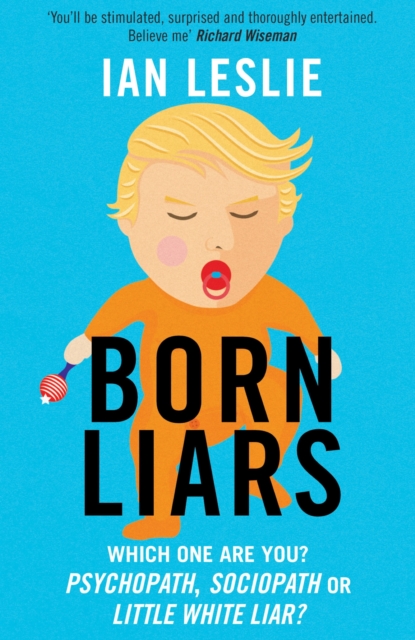
We all do it - how to be a better liar, spot a charlatan and tell the difference between truth and fictionIn Born Liars, Ian Leslie takes the reader on an exhilarating tour of ideas that brings the latest news about deception back from the frontiers of psychology, neuroscience, and philosophy, and explores the role played by lies - both black and white - in our childhoods, our careers, and our health, as well as in advertising, politics, sport and war.
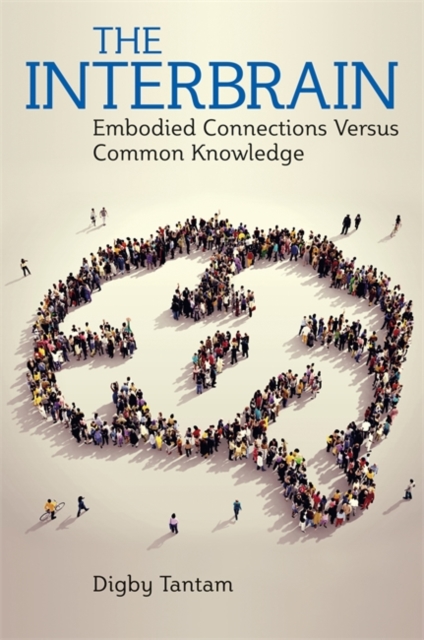
Digby Tantam presents the ground-breaking theory of the interbrain, the idea that human beings are endlessly connected by a continuous interplay of non-verbal communication of which we are unaware.
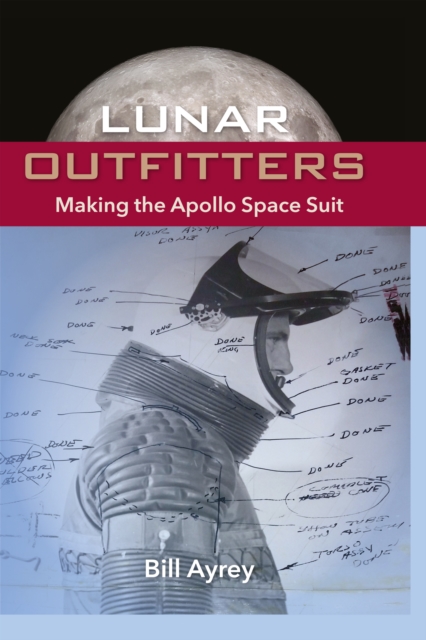
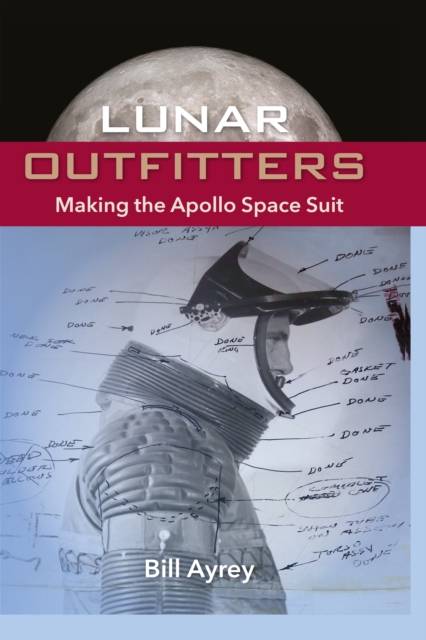
The design processes behind a giant leap for mankindNeil Armstrong in a space suit on the moon remains an iconic representation of Americas technological ingenuity.
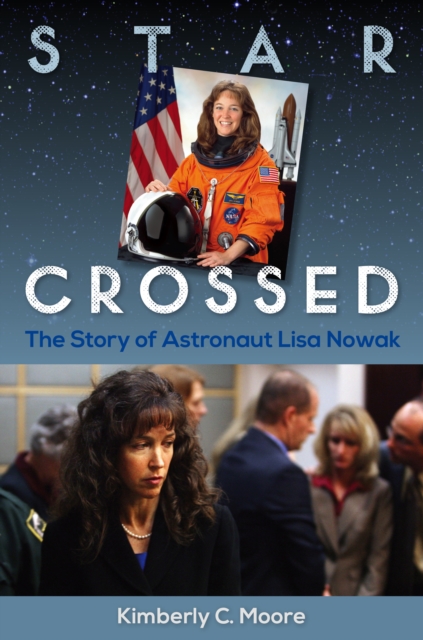
The astronaut crime that shocked the worldStar Crossed transports readers to the moment the news broke that one of America s heroes, an astronaut who had flown aboard the Space Shuttle Discovery& just months before, had been arrested for a very bizarre crime.
The design processes behind a giant leap for mankindNeil Armstrong in a space suit on the moon remains an iconic representation of Americas technological ingenuity.
The pioneering game-chip engineers behind the revolutionary Cell microprocessor tell the story of its creation in this ';fast-paced tell-all' (Steve Cherry, IEEE Spectrum Magazine).
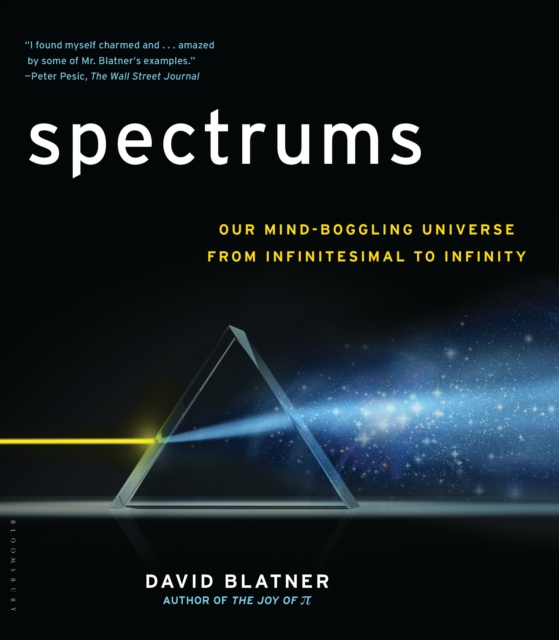
In Spectrums, David Blatner blends narrative and illustration to illuminate the variety of spectrums that affect our lives every day: numbers, size, light, sound, heat, and time.
Die großen Mysterien des Weltalls und unserer Erde: faszinierende Rätsel der Wissenschaft vom Autor des Sachbuch-Bestsellers »(Fast) Alles einfach erklärt«, Niklas Kolorz Was war vor dem Urknall?