Civil engineering produces the structures of all human settlements worldwide and is a vital discipline for many aspects modern life, underlying housing, transport, and our major areas and buildings related to work, study, and leisure.
Civil engineering produces the structures of all human settlements worldwide and is a vital discipline for many aspects modern life, underlying housing, transport, and our major areas and buildings related to work, study, and leisure.
James Clerk Maxwell (1831-1879) had a relatively brief, but remarkable life, lived in his beloved rural home of Glenlair, and variously in Edinburgh, Aberdeen, London and Cambridge.
James Clerk Maxwell (1831-1879) had a relatively brief, but remarkable life, lived in his beloved rural home of Glenlair, and variously in Edinburgh, Aberdeen, London and Cambridge.
This is a book about discovery and disaster, exploitation and invention, warfare and science - and the relationship between human beings and the chemical elements that make up our planet.
This is a book about discovery and disaster, exploitation and invention, warfare and science - and the relationship between human beings and the chemical elements that make up our planet.
Rosalind Franklin is famous in the history of science for her contribution to the discovery of the structure of DNA, the start of the greatest biological revolution of the twentieth century.
Rosalind Franklin is famous in the history of science for her contribution to the discovery of the structure of DNA, the start of the greatest biological revolution of the twentieth century.
Joseph Rotblat was the Jewish nuclear scientist whose disillusionment with nuclear weapons encouraged him to become one of the prime architects of the anti-nuclear movement, and resulted in his lifelong efforts to promote social responsibility in science.
Joseph Rotblat was the Jewish nuclear scientist whose disillusionment with nuclear weapons encouraged him to become one of the prime architects of the anti-nuclear movement, and resulted in his lifelong efforts to promote social responsibility in science.
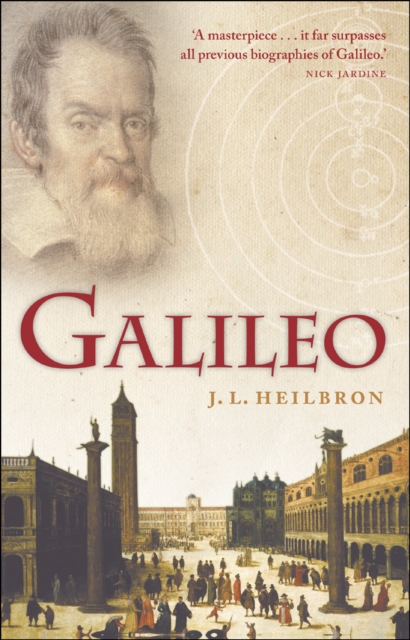
Just over four hundred years ago, in 1610, Galileo published the Siderius nuncius, or Starry Messenger, a 'hurried little masterpiece' in John Heilbron's words.