This book will focus on the molecular basis of oxidative stress induced by toxicants or stresses and various molecular signalling pathways in regulating the toxicity of toxicants or stresses in Caenorhabditis elegans.
This book illustrates the significance of various optical spectroscopy and microscopy techniques, including absorption spectroscopy, fluorescence spectroscopy, infrared spectroscopy, and Raman spectroscopy for deciphering the nature of biological molecules.
This book provides essential insights into microbial pathogenesis, host-pathogen interactions, and the anti-microbial drug resistance of various human pathogens on the basis of various model organisms.
Tailoring of biomolecules using protein engineering technology, and host cells culture techniques are among the most sophisticated and elegant achievements of modern applied life sciences in which the basic fundamentals biotechnology are applicable for the development and manufacturing of biologics and other related bio-molecules for a hurdle free life with good health.
This book focuses on the toxicity of engineered nanomaterials (ENMs) and their underlying physicochemical, cellular, physiological, and molecular mechanisms.
This detailed book explores techniques used in research efforts to adopt and combine the best capabilities from natural and artificial vector systems to assemble improved delivery technologies aimed for specific applications.
This detailed book focuses on cutting-edge methods for Parkinson's disease (PD) research, such as the analysis of the prion-like properties of a-synuclein, mitochondrial functions related to the PINK1-Parkin pathway/CHCHD2, the endolysosome pathway related to LRRK2, VPS35, and ATP13A2 using cultured cells (including patient iPS cells), deep brain stimulation therapy, classic mitochondrial toxins related to PD, and genetic associations and screenings using mammalian and invertebrate genetic models of PD.
This detailed new edition provides a guide for implementing a selection of novel techniques utilizing the pioneering organism, Caenorhabditis elegans, a vital discovery engine for the rules of life, from molecules and genes, through cellular physiology, metabolism and aging, neurobiology and behavior, to individuality and interaction with the environment.
This detailed book covers methods for studying, producing, and analyzing therapeutic antibodies, measuring their concentration, developing neutralizing antibodies for them, and for predicting and monitoring their therapeutic efficacy and clinical effects.
This book provides an overview of methods and experimental protocols that are currently used to analyze the presence and abundance of non-canonical DNA nucleotides in different biological systems.
This volume provides an up-to-date collection of protocols describing some of the key methods to investigate the integrated stress response (ISR), a vital evolutionarily conserved mechanism that enables eukaryotic cells to adapt to stress conditions and alter their gene expression programs.
This volume explores diverse protocols for peptide conjugation, and provides thoroughly tested and scientifically valid techniques that allow researchers and scientists to prepare, purify, characterize, and use peptide conjugation methods for chemical, biochemical, and biological studies.
This detailed book collects methods based on the evolution of the chromosome conformation capture (3C) technique and other complementary approaches to dissect chromatin conformation with an emphasis on dissection of nuclear compartmentalization and visualization in imaging.
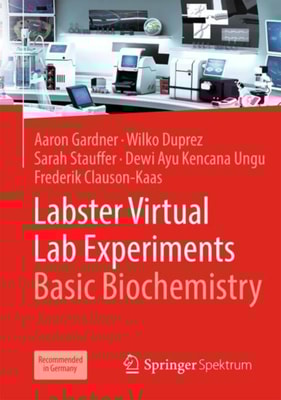
This book provides a comprehensive overview of the major biochemical analytical techniques, with detailed descriptions of the instrumentation and applications.
This completely revised edition explores novel discoveries in bacterial genomic research, with a focus on technical and computational improvements as well as methods used for bacterial pangenome analysis, which relies on microbiome studies and metagenomic data.
This detailed book addresses major goals of regenerative medicine and the cardiovascular research community with techniques to replenish lost cardiomyocytes, avoid scar-associated pathology, and improve myocardial infarction (MI) outcomes.
This volume details reviews and protocols on the development and analysis of both cellular and animal-based pre-clinical models in a number of medical areas, including metabolic disorders, longevity, cancer, heart disease and psychiatric disorders.
The second edition of Biological Aging: Methods and Protocols expands upon the previous edition with current, detailed, useful and promising methods currently available to study aging.
This expert volume covers an interdisciplinary and rapidly growing area of biomedical research comprising genetic, biochemical, pathological, and clinical studies aimed at the diagnosis and therapy of human diseases which are either caused by or associated with mitochondrial dysfunction.
This detailed book provides an accessible compendium of up-to-date methods in the fields of environmental toxicology, molecular toxicology, and toxicogenomics.
This detailed book highlights recent advances in molecular imaging techniques and protocols, designed to be immediately applicable in global bio-laboratories.
The aim of Transgenic Plants: Methods and Protocols is to provide a source of information to guide the reader through a wide range of frequently used, broadly applicable, and easily reproducible techniques involved in the gene- tion of transgenic plants.
Quantitative elucidation of structural, energetic and dynamic aspects of macromolecular interactions is indispensable for understanding the functional activities of biomolecules and their interactions.
Developed for a range of tissues where the culture environment takes into account the spatial organization of the cells therein, 3D cell culture models serve to bridge the gap between in vivo studies at one extreme with that of simple cell monolayers at the other.
Affecting over a hundred million individuals worldwide, retinal diseases are among the leading causes of irreversible visual impairment and blindness, and appropriate study models, especially animal models, are essential to furthering our understanding of the etiology, pathology, and progression of these endemic diseases.