This book covers all the technical aspects of flow cytometry needed to set-up the instrument, solve problems encountered in daily work, or necessary for exam preparation.
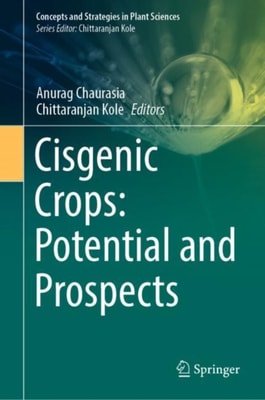
This book is the first attempt for in-depth compilation of current knowledge on cisgenic crops and their potential prospects as a sustainable substitute for the controversial genetically modified crops.
This volume reviews the latest research on the functional implications of nuclear, chromosomal and genomic organization and architecture on cell and organismal biology, and development and progression of diseases.
This atlas offers stunning color electron scanning micrographs and exceptional light microscopy pictures of capillaries, vessels and diverse histomorphological tissues and organs of Xenopus laevis.
Antifungal Metabolites of Rhizobacteria for Sustainable Agriculture focuses on plant health in agro-ecosystems of various economically important cash and food crops with a concern to promote sustainable agriculture.
This book series focuses on current progress in the broad field of medical microbiology, and covers both basic and applied topics related to the study of microbes, their interactions with human and animals, and emerging issues relevant for public health.
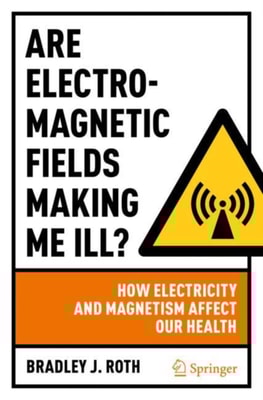
Electricity and Magnetism (E&M) underlies many lifesaving medical devices, such as magnetic resonance imaging scanners, neural stimulators, and heart pacemakers.
This comprehensive guide to gene cloning provides beginning and advanced readers with the background, standard techniques, practical applications, and ethical and safety considerations in the field.
This atlas provides a detailed overview of the novel technique of ex vivo confocal microscopy for rapid imaging of excised tissues in dermatological practice.
Caterpillars are excellent model organisms for understanding how multiple selective forces shape the ecology and evolution of insects, and organisms in general.
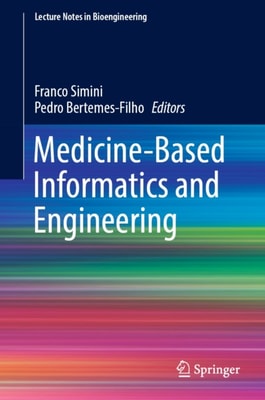
This book originates from the idea to adapt biomedical engineering and medical informatics to current clinical needs and proposes a paradigm shift in medical engineering, where the limitations of technology should no longer be the starting point of design, but rather the development of biomedical devices, software, and systems should stem from clinical needs and wishes.
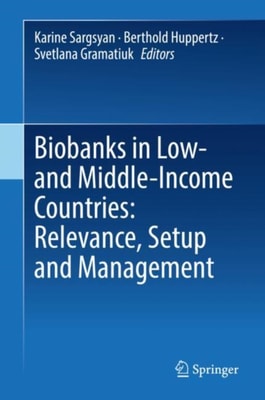
This book introduces the fundamentals of biobanking and guides through the practical planning thereof, with a special focus on the situation in low- and middle-income countries.
Algae are simple, primitive, heterogeneous, autotrophic, eukaryotic or prokaryotic organisms that lead a symbiotic, parasitic or free-living mode of life.
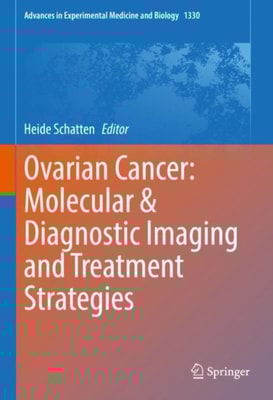
The present book on Molecular & Diagnostic Imaging and Treatment Strategies of ovarian cancer is one of two companion books with the second one being focused on Cell and Molecular Biology of Ovarian Cancer.
Offering an example for transnational cooperation and successful reduction of a neglected tropical disease, this volume shows how Chinese scientists and local physicians controlled schistosomiasis in Zanzibar.
This volume focuses on the huge advances in the last 25 years on the use of this animal model for biomedical research (cancer, heart disease and neurodegeneration), fundamental neuroscience and basic subterranean biology.
This book summarizes recent findings on the use of new nanostructured materials for biofuels, batteries, fuel cells, solar cells, supercapacitors and health biosensors.
Stingless bees (Meliponini) are the largest and most diverse group of social bees, yet their largely tropical distribution means that they are less studied than their relatives, the bumble bees and honey bees.
This book provides an overview of the biology and biochemistry of peroxisomes, and discusses the contribution of these organelles to peroxisomal and neurodegenerative diseases.
This volume sheds new light on the marine fauna and geological setting of the Tjornes Sequence, North Iceland, which is a classic site for the Pliocene and Pleistocene stratigraphy of the North Atlantic region.
As a response to the climate crisis and its effect on marine ecosystems and coastal populations, this book proposes concrete science driven solutions at establishing transformation pathways towards Sustainable Blue Growth, that are supported by technically and socially innovative innovations.
This book presents a multidisciplinary assessment of the state of science in the use of systemic delivery technologies to deliver anti-aging therapeutics now under development.
This book covers a broad spectrum of topics related to GMOs and allied new gene-based technologies, biodiversity, and ecosystem processes, bringing together the contributions of researchers and regulators from around the world.
This new volume of our successful book series Advances in Anatomy, Embryology and Cell Biology focuses on the need for and use of animal models when studying endometriosis.
It is widely acknowledged that life has adapted to its environment, but the precise mechanism remains unknown since Natural Selection, Descent with Modification and Survival of the Fittest are metaphors that cannot be scientifically tested.
This book offers comprehensive information on the new and rapidly evolving science of identifying and targeting senescent cells, and on the exciting prospect of new diagnostic and therapeutic opportunities for stopping, and even reversing, the progression of disease and the deterioration of the human body due to ageing.
Due to the huge quantity and diverse nature of their metabolic pathways, fungi have great potential to be used for the production of different biofuels such as bioethanol, biobutanol, and biodiesel.
This book offers a comprehensive collection of papers on CRISPR/Cas genome editing in connection with agriculture, climate-smart crops, food security, translational research applications, bioinformatics analysis, practical applications in cereals, floriculture crops, engineering plants for abiotic stress resistance, the intellectual landscape, regulatory framework, and policy decisions.