'Bracingly apocalyptic stuff: atmospheric, chock-full of information and with a constantly escalating sense of pace and tension' Sunday TelegraphSimon Winchester's brilliant chronicle of the destruction of the Indonesian island of Krakatoa in 1883 charts the birth of our modern world.
The book is an exploration of how this century is going to change not just the way we think, but also what we actually think with - our own individual minds.
In The Universe Within, Neil Shubin, one of the world's leading experts, reveals to us the extraordinary cosmic and evolutionary adventure of our own bodies.
Lewis Carroll's books have delighted children and adults for generations, but behind their exuberant fantasy and delightful nonsense was the mind of a brilliant mathematician.
Physics of the Impossible takes us on a journey to the frontiers of science and beyond, giving us an exhilarating insight into what we can really hope to achieve in the future.
One of the most influential books of the 21st century: the ground-breaking psychology classic - over 10 million copies sold - that changed the way we think about thinking'There have been many good books on human rationality and irrationality, but only one masterpiece.
The phenomenal international bestseller that shows us how to stop trying to predict everything - and take advantage of uncertaintyWhat have the invention of the wheel, Pompeii, the Wall Street Crash, Harry Potter and the internet got in common?
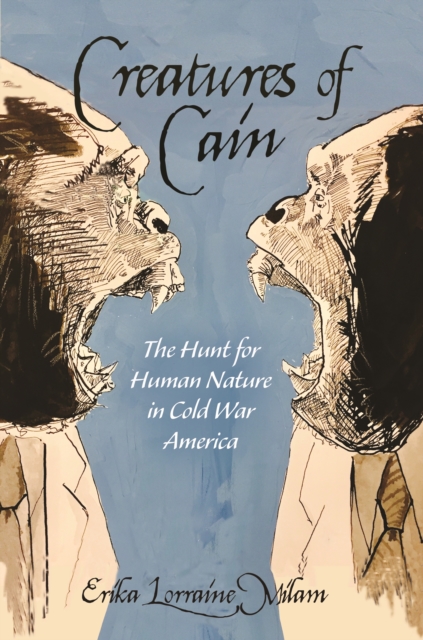
How Cold War America came to attribute human evolutionary success to our species' unique capacity for murderAfter World War II, the question of how to define a universal human nature took on new urgency.
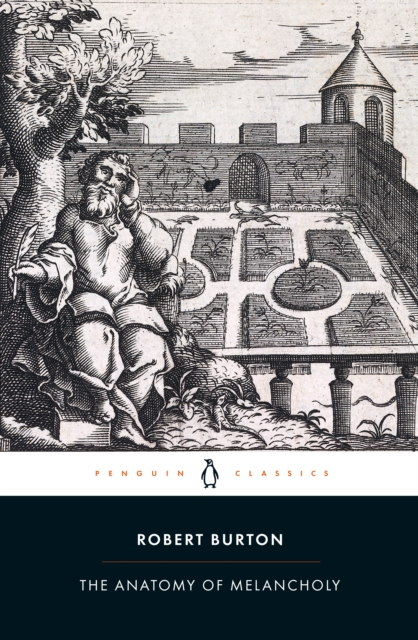
'The best book ever written' Nicholas Lezard, GuardianRobert Burton's labyrinthine, beguiling, playful masterpiece is his attempt to 'anatomize and cut up' every aspect of the condition of melancholy, from which he had suffered throughout his life.
Arthur Koestler's extraordinary history of humanity's changing vision of the universeIn this masterly synthesis, Arthur Koestler cuts through the sterile distinction between 'sciences' and 'humanities' to bring to life the whole history of cosmology from the Babylonians to Newton.
'Gribbin takes us through the basics with his customary talent for accessibility and clarity' Sunday TimesThe world around us can be a complex, confusing place.
A scientific adventure story that dramatizes how profoundly our oceans have changed over the past 150 yearsIn December 1872, HMS Challenger embarked on the first round-the-world oceanographic expedition.
This book presents experimental as well as simulation methodologies for analysis and development of nanostructures for introducing the desirable effects through modifications in the basic structure of select nanomaterials.
This book offers the first in-depth study of the masculine self-fashioning of scientific practitioners in nineteenth and early twentieth-century Britain.
How the classic mirror test served as a portal for scientists to explore questions of self-awarenessSince the late eighteenth century, scientists have placed subjects-humans, infants, animals, and robots-in front of mirrors in order to look for signs of self-recognition.
An inspiring anthology of writings by trailblazing women astronomers from around the globeThe Sky Is for Everyone is an internationally diverse collection of autobiographical essays by women who broke down barriers and changed the face of modern astronomy.
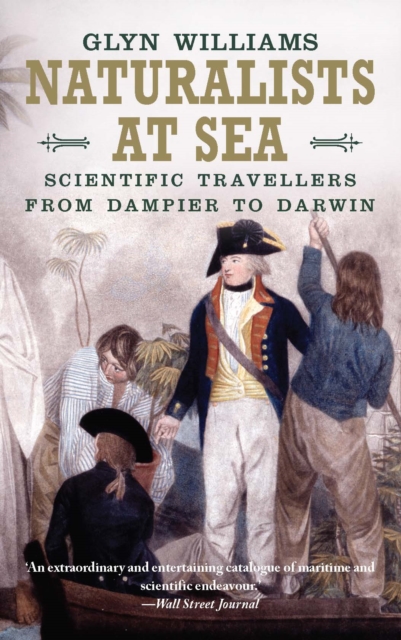
Tales of the intrepid early naturalists who set sail on dangerous voyages of discovery in the vast, unknown Pacific On the great Pacific discovery expeditions of the “long eighteenth century,” naturalists for the first time were commonly found aboard ships sailing forth from European ports.
As the third volume in the author's series on "e;Biomedical Signals and Sensors,"e; this book explains in a highly instructive way how electric, magnetic and electromagnetic fields propagate and interact with biological tissues.
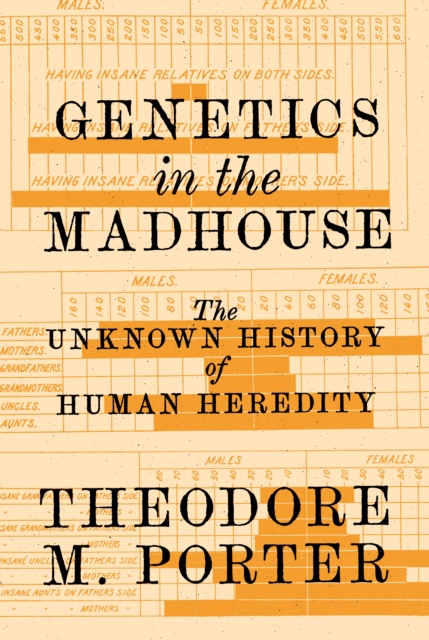
The untold story of how hereditary data in mental hospitals gave rise to the science of human heredityIn the early 1800s, a century before there was any concept of the gene, physicians in insane asylums began to record causes of madness in their admission books.
How the latest cutting-edge science offers a fuller picture of life in Rome and antiquityThis groundbreaking book provides the first comprehensive look at how the latest advances in the sciences are transforming our understanding of ancient Roman history.
By the 1920s in Central Europe, it had become a truism among intellectuals that natural science had "e;disenchanted"e; the world, and in particular had reduced humans to mere mechanisms, devoid of higher purpose.
Technology, perhaps the most salient feature of our time, affects everything from jobs to international law yet ranks among the most unpredictable facets of human life.
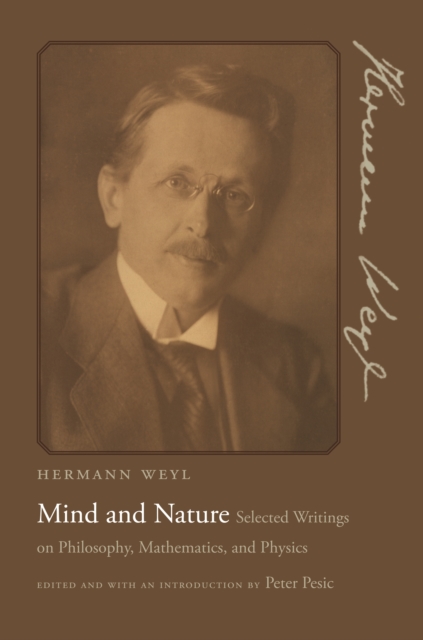
Hermann Weyl (1885-1955) was one of the twentieth century's most important mathematicians, as well as a seminal figure in the development of quantum physics and general relativity.
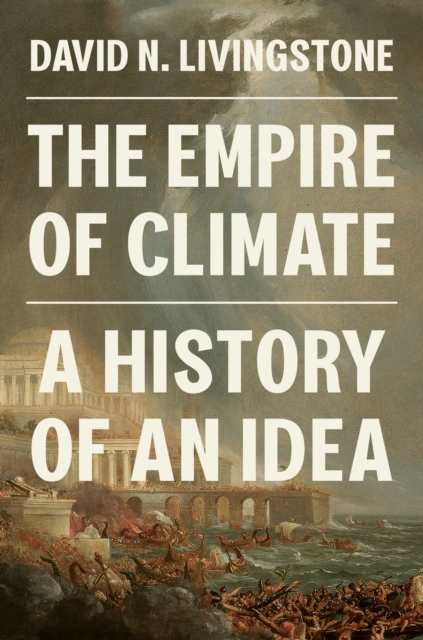
How the specter of climate has been used to explain history since antiquityScientists, journalists, and politicians increasingly tell us that human impacts on climate constitute the single greatest threat facing our planet and may even bring about the extinction of our species.
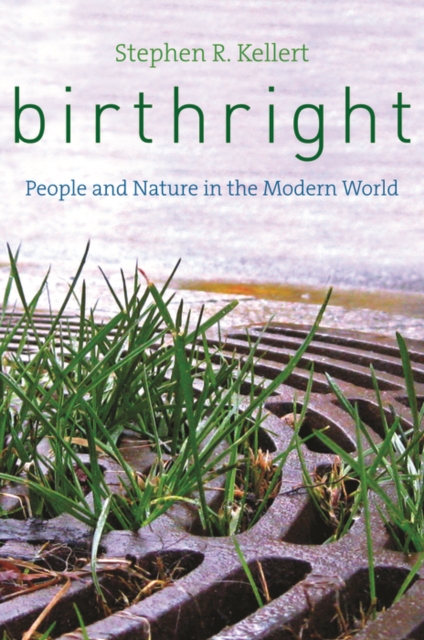
An eloquent explanation of why human beings need to connect with nature and what is lost when they are disconnected from the natural world Human health and well-being are inextricably linked to nature; our connection to the natural world is part of our biological inheritance.
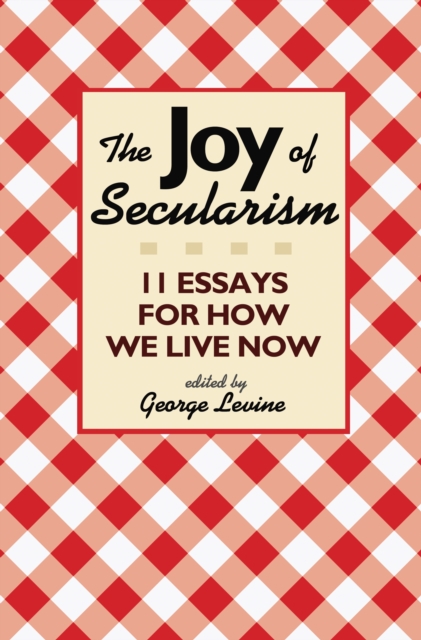
The case for a thoughtful secularism from some of today's most distinguished scientists, philosophers, and writersCan secularism offer us moral, aesthetic, and spiritual satisfaction?