Winner of the 2002 BMA Popular Medicine Book Prize: This is a haunting literary and scientific examination of Alzheimer's disease and the race to find a cure.
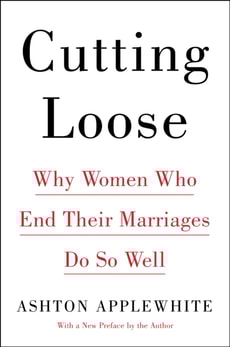
For women contemplating divorce or for those who have already divorced, Ashton Applewhite's insightful book sheds light on what to consider before making the decision to end your marriage, how to protect yourself-both financially and emotionally-and how much your life will change.
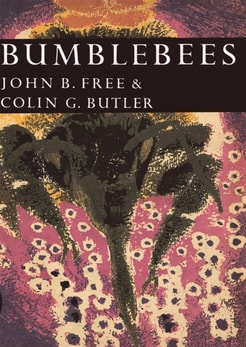
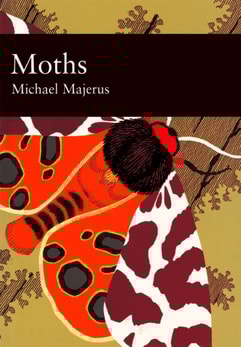
This group of relatively large, colourful and familiar insects are a very popular subject of study because their behaviour can be observed without the use of elaborate equipment.
The intriguing story of how wireless was invented by Guglielmo Marconi - and how it amused Queen Victoria, saved the lives of the Titanic survivors, tracked down criminals and began the radio revolution.
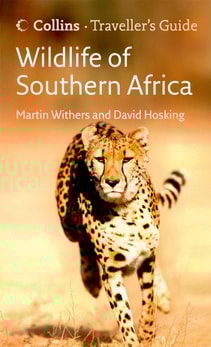
The perfect companion for the safari enthusiast, this complete traveller's guide to the wildlife of Namibia, Botswana, Zimbabwe, South Africa and Malawi is a must-have for all those considering a trip to the game reserves of this highly popular region.
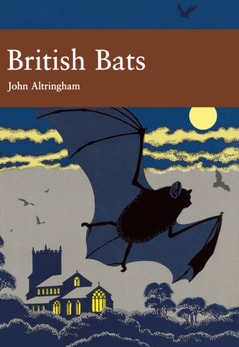
British Bats is a comprehensive account of the natural history of these fascinating animals, from their origins and evolution to their feeding habits and reproduction.
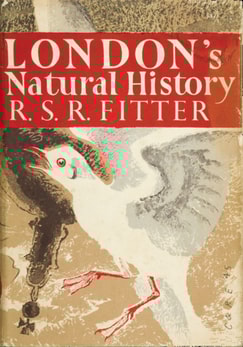
London's Natural History describes how the spread of man's activities has affected the plants and animals in them, destroying some and creating others.
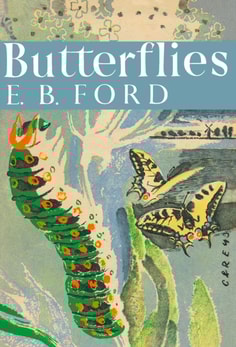
A scientific study that keeps in mind the needs of butterfly collectors and of all those who love the country in the hope that it may increase their pleasure by widening the scope of their interests.
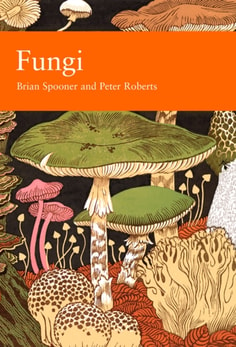
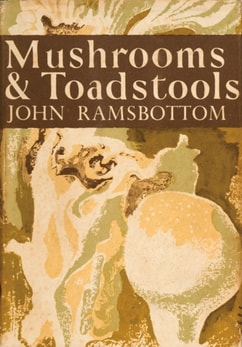
Britain's neglect of fungi as table delicacies has perhaps been responsible for our surprising ignorance of the natural history of such fascinating plants.
Leslie Brown's account of our 15 resident, 7 vagrant and 2 migrant species of eagles, falcons, hawks and vultures in Britain presents a great mass of scientific information about our birds of prey in a manner as attractive to the general reader as to the dedicated ornithologist.
Ever wondered why primroses have three sorts of flowers; or about pesticide resistance in rats and mice, mosquitoes and green-fly; antibiotic resistance in disease organisms - all are examples of genetical adjustment, explained in this book.
In addition to dealing with the general biology and behaviour of the birds, Dr Perrins gives full attention to such things as their social lives, their intelligence and adaptiveness, and their puzzling ability to adjust their population sizes to the future availability of food.
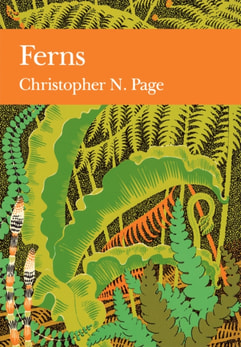
Ferns gives the reader an introduction to the reasons for the variety of ferns in the British Isles, as well as the history of their development within this landscape and their use by man.
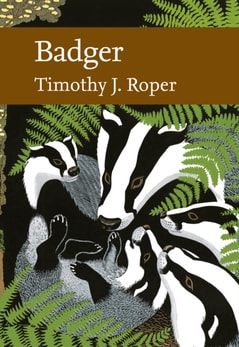
A comprehensive natural history of one of Britain's favourite animalsThe badger has for many years occupied a unique place in the British consciousness.
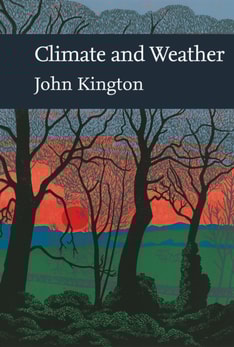
Reviewing the history and causes of climatic change and evaluating regional models, this New Naturalist volume offers an important analysis of climatic variations.
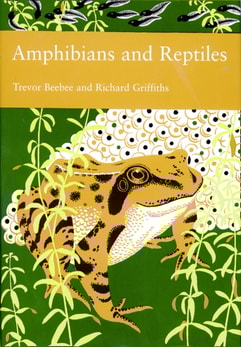
Building on the solid foundations established by the two earlier New Naturalist volumes on this subject, eminent herpetologists Trevor Beebee and Richard Griffiths have brought together a wealth of new and fascinating information on the British amphibians and reptiles.
A spellbinding portrait of Queen Elizabeth's conjuror - the great philosopher, scientist and magician, Dr John Dee (1527-1608) and a history of Renaissance science that could well be the next 'Longitude'.
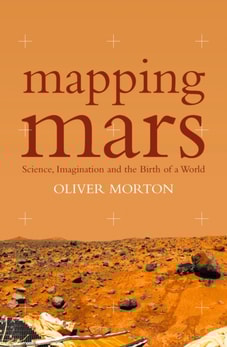
A narrative history of the men and women who have explored Mars and mapped its surface from afar, and in so doing conditioned our understanding of our nearest planetary neighbour.
The Fontana History of Chemistry, which draws on both the author's own original research and that of other scholars, is an unrivalled work of synthesis.
The No Logo of climate change - a book that shows how global warming is not a theory we should still debate, but something that has already happened on a global scale.
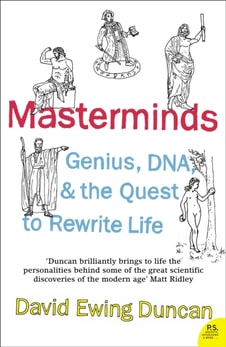
Combining myth, biography, and wit, this is a highly original depiction of cutting-edge science and its profound implications, told through the scientists who are rewriting life on earth.
Steve Jones's highly acclaimed, double prize-winning, bestselling first book is now fully revised to cover all the new genetic breakthroughs from GM food to Dolly the sheep.
The story of two nineteenth-century scientists who revealed one of the most significant and exciting events in the natural history of this planet: the existence of dinosaurs.
The most important investigation of genetic science since The Selfish Gene, from the author of the critically acclaimed and best-selling The Red Queen and The Origins of Virtue.