This overview of the leading locomotive producers in the United States during the twentieth century shows how they responded to a radical technological change: the replacement of steam locomotives by diesels.
Die erste systematische Schrift, die Ernst Cassirer veröffentlicht hat, ist das Buch »Substanzbegriff und Funktionsbegriff« von 1910, in dem er sich mit dem Problem der mathematischen und naturwissenschaftlichen Begriffsbildung auseinandersetzt.
BENEFICIAL CHEMICAL ELEMENTS OF PLANTS Understand beneficial elements and their role in the future of botany and agriculture Beneficial elements are those which, while not essential to plant life, can provide stimulation and enhance plant growth.
Global Climate Change and Plant Stress Management Understand the impact of climate change on plant growth with this timely introduction Climate change has had unprecedented consequences for plant metabolism and plant growth.
Nobel Prize-winning physicist Roger Penrose questions some of the most fashionable ideas in physics today, including string theoryWhat can fashionable ideas, blind faith, or pure fantasy possibly have to do with the scientific quest to understand the universe?
This literary work is a compilation of methodological and statistical content, fundamental, because it is accessible to the reader without previous experience in the matter, because of its broad, agile content and with solid foundations, filling the gap in basic texts, in scientific research.
The latest title in the much-loved Element Encyclopedia series, The Element Encyclopedia of Fairies explores the history, legends, and mythology of these little peoples.
A multifaceted biography of a brilliant mathematician and iconoclastA mathematician unlike any other, John Horton Conway (19372020) possessed a rock star's charisma, a polymath's promiscuous curiosity, and a sly sense of humor.
A Nobel Laureate explains quantum entanglement and teleportation and why Einstein was wrong about the nature of realityWhat is the true nature of reality?
The epic story of human evolution, from our primate beginnings more than five million years ago to the agricultural eraOver the course of five million years, our primate ancestors evolved from a modest population of sub-Saharan apes into the globally dominant species Homo sapiens.
Tetens unternimmt den Versuch, Dinglers Fragestellungen nach dem »Wesen des Experiments« und der Rolle, die das Experiment für die Begriffs- und Theoriebildung spielt, erneut aufzugreifen, ohne sich seinen Auffassungen über die Relativitätstheorie und Quantenmechanik anzuschließen.
Sven Sommer lässt es bei seinen physikalischen Versuchen garantiert krachen, zischen und rauchen – und gibt einfache Anleitungen für das perfekte Wochenendexperiment zu Hause.
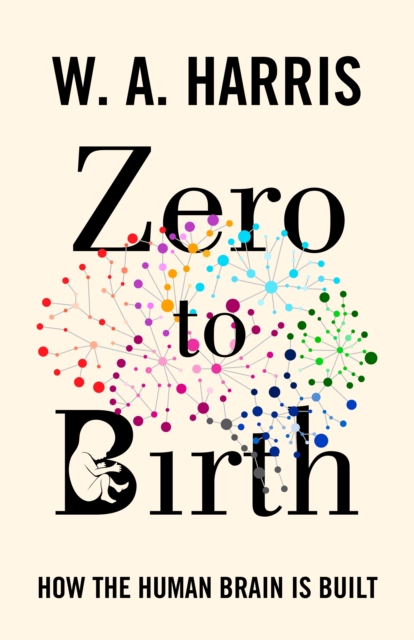
A revelatory tale of how the human brain develops, from conception to birth and beyondBy the time a baby is born, its brain is equipped with billions of intricately crafted neurons wired together through trillions of interconnections to form a compact and breathtakingly efficient supercomputer.
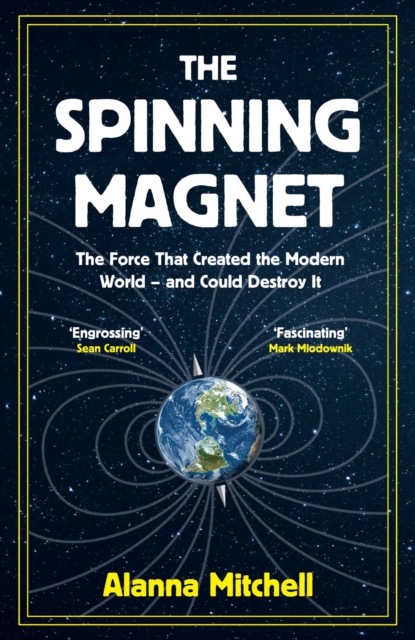
Many times through deep history Earth's magnetic poles have switched places, leaving our planet's protective shield weaker and life vulnerable to devastating solar storms.
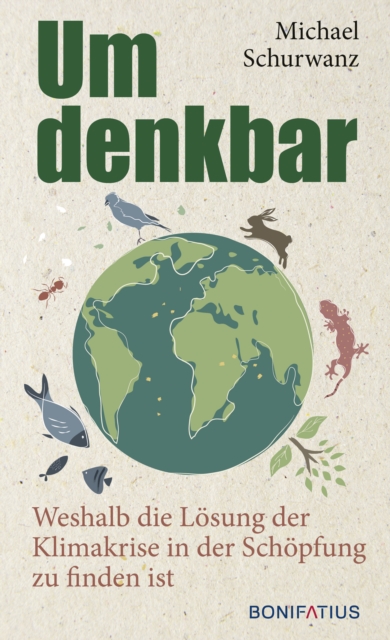
Das Klima schützen und Gottes Schöpfung bewahren: der Mensch im Einklang mit der Natur Ein irdisches Paradies ist möglich – das zeigt Michael Schurwanz in seinem erhellenden und motivierenden Buch über die Bewältigung der Klimakrise.
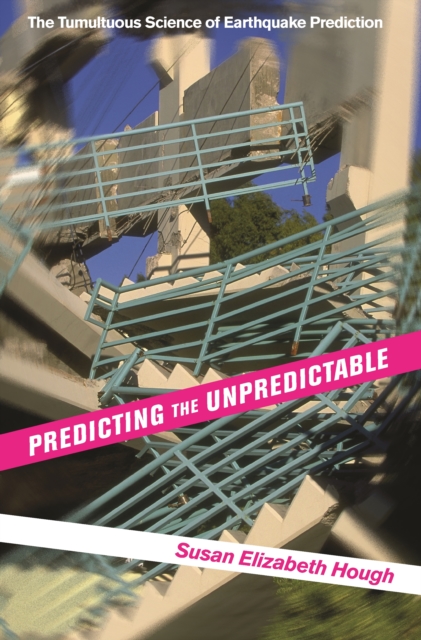
Why seismologists still can't predict earthquakesAn earthquake can strike without warning and wreak horrific destruction and death, whether it's the catastrophic 2010 quake that took a devastating toll on the island nation of Haiti or a future great earthquake on the San Andreas Fault in California, which scientists know is inevitable.
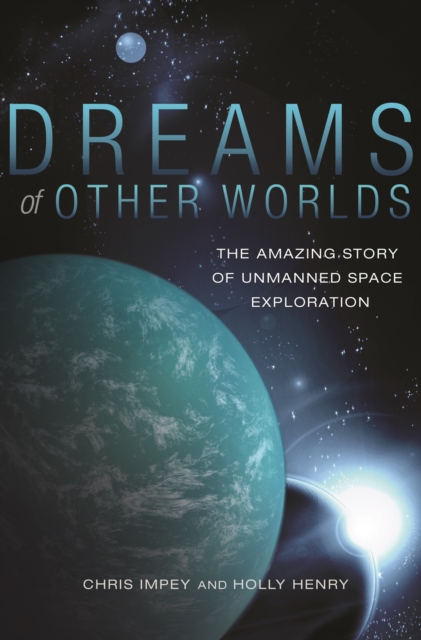
The story of unmanned space exploration, from Viking to todayDreams of Other Worlds describes the unmanned space missions that have opened new windows on distant worlds.
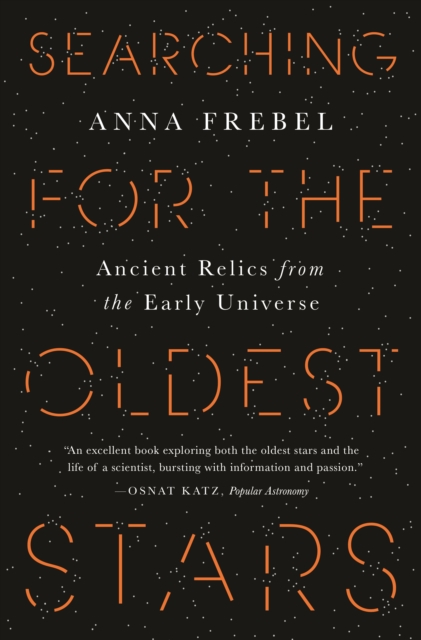
A leading astronomer takes readers behind the scenes of the thrilling science of stellar archaeologyAstronomers study the oldest observable stars in the universe in much the same way archaeologists study ancient artifacts on Earth.
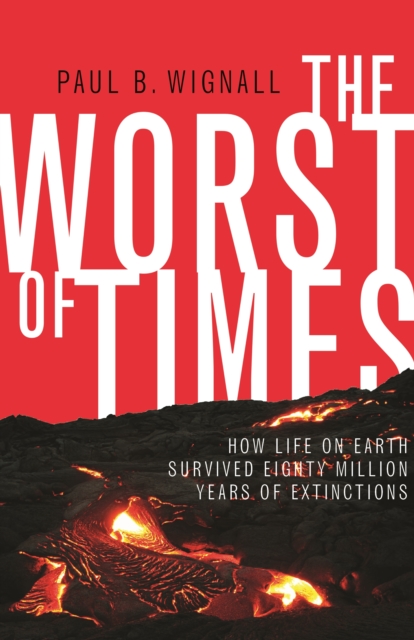
Unraveling the mystery of the catastrophic age of extinctionsTwo hundred sixty million years ago, life on Earth suffered wave after wave of cataclysmic extinctions, with the worst wiping out nearly every species on the planet.
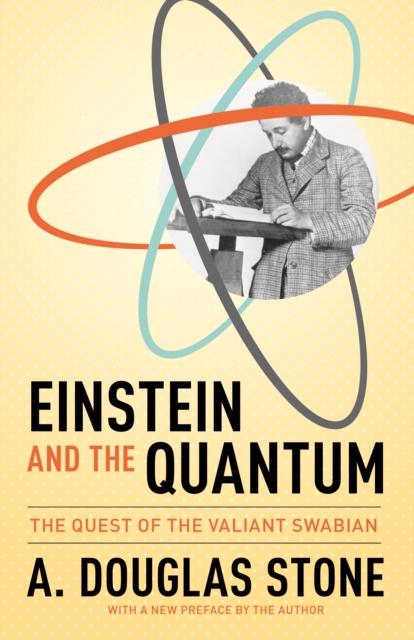
The untold story of Albert Einstein's role as the father of quantum theoryEinstein and the Quantum reveals for the first time the full significance of Albert Einstein's contributions to quantum theory.
This book presents a new approach to the epistemology of mathematics by viewing mathematics as a human activity whose knowledge is intimately linked with practice.
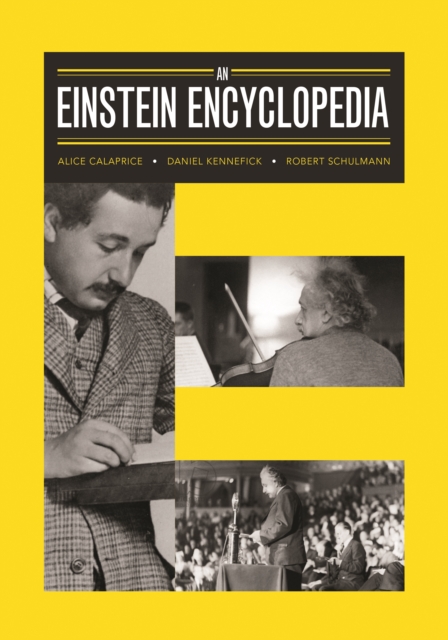
The complete guide to everything you ever wanted to know about EinsteinThis is the single most complete guide to Albert Einstein's life and work for students, researchers, and browsers alike.
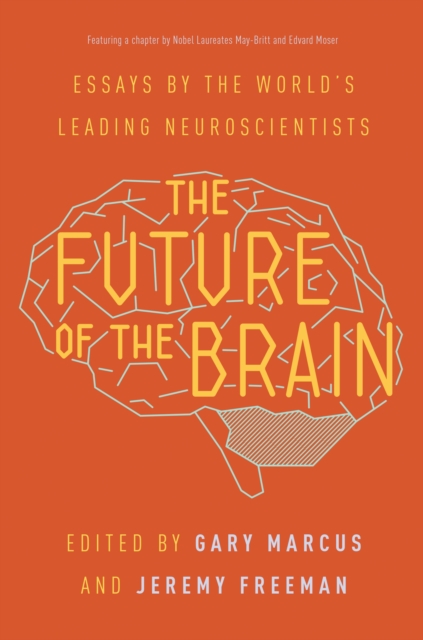
The world's top experts take readers to the very frontiers of brain scienceIncludes a chapter by 2014 Nobel laureates May-Britt Moser and Edvard MoserAn unprecedented look at the quest to unravel the mysteries of the human brain, The Future of the Brain takes readers to the absolute frontiers of science.
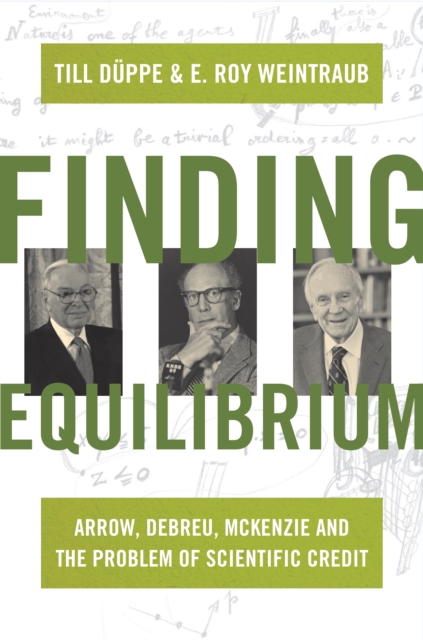
The remarkable story and personalities behind one of the most important theories in modern economicsFinding Equilibrium explores the post-World War II transformation of economics by constructing a history of the proof of its central dogma-that a competitive market economy may possess a set of equilibrium prices.
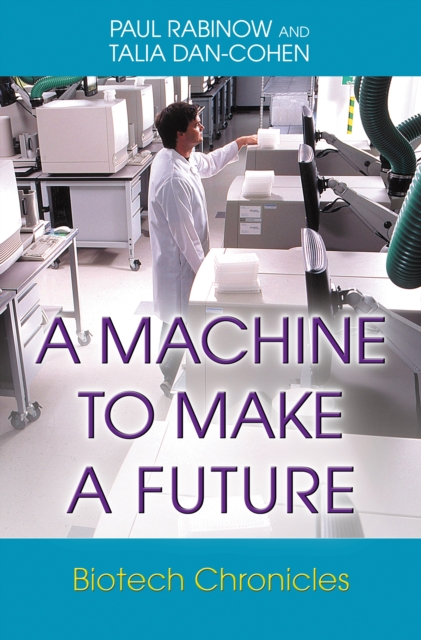
A Machine to Make a Future represents a remarkably original look at the present and possible future of biotechnology research in the wake of the mapping of the human genome.
Power, Speed, and Form is the first accessible account of the engineering behind eight breakthrough innovations that transformed American life from 1876 to 1939-the telephone, electric power, oil refining, the automobile, the airplane, radio, the long-span steel bridge, and building with reinforced concrete.
Ten Thousand Birds provides a thoroughly engaging and authoritative history of modern ornithology, tracing how the study of birds has been shaped by a succession of visionary and often-controversial personalities, and by the unique social and scientific contexts in which these extraordinary individuals worked.
A new model for the relationship between science and democracy that spans policymaking, the funding and conduct of research, and our approach to new technologiesOur ability to act on some of the most pressing issues of our time, from pandemics and climate change to artificial intelligence and nuclear weapons, depends on knowledge provided by scientists and other experts.
How the new brain sciences are transforming our understanding of what it means to be humanThe brain sciences are influencing our understanding of human behavior as never before, from neuropsychiatry and neuroeconomics to neurotheology and neuroaesthetics.
The story of the visionary scientists who invented the futureIn 1969, Princeton physicist Gerard O'Neill began looking outward to space colonies as the new frontier for humanity's expansion.
John Servos explains the emergence of physical chemistry in America by presenting a series of lively portraits of such pivotal figures as Wilhelm Ostwald, A.
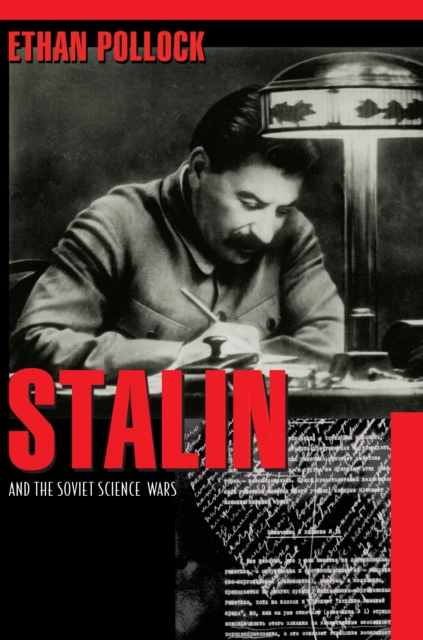
Between 1945 and 1953, while the Soviet Union confronted postwar reconstruction and Cold War crises, its unchallenged leader Joseph Stalin carved out time to study scientific disputes and dictate academic solutions.