Die These dieses Buches lautet, dass es in diesem Zeitalter erstmalig möglich ist, objektiv überzeugende Antworten auf die großen philosophischen Lebensfragen zu erhalten.
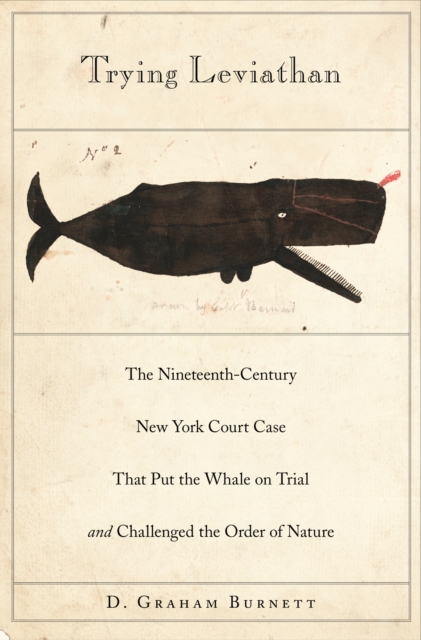
In Moby-Dick, Ishmael declares, "e;Be it known that, waiving all argument, I take the good old fashioned ground that a whale is a fish, and call upon holy Jonah to back me.
Comprehensive reference on the characteristics of rhizomes, stems growing roughly horizontally below ground level, important for perennial and hard-to-control weeds and for the propagation of some commercially important crops.
A partir de un marco científico, histórico y filosófico, el autor plantea un diálogo entre la complejidad y la biosemiótica acentuando la importancia de la semiosis como un componente substancial de la vida, en tanto los signos, su significado e interpretación existen en todos los sistemas vivos.
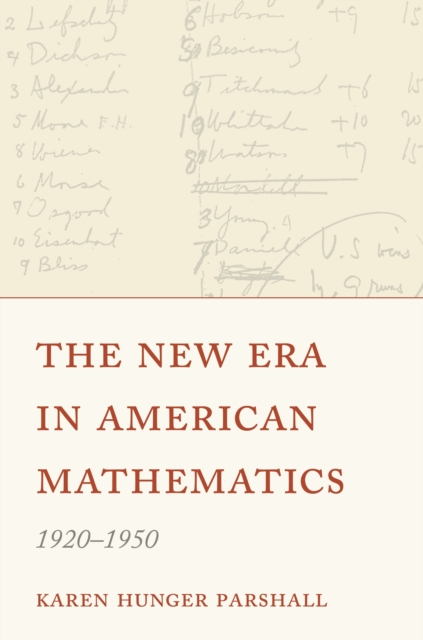
A meticulously researched history on the development of American mathematics in the three decades following World War IAs the Roaring Twenties lurched into the Great Depression, to be followed by the scourge of Nazi Germany and World War II, American mathematicians pursued their research, positioned themselves collectively within American science, and rose to global mathematical hegemony.
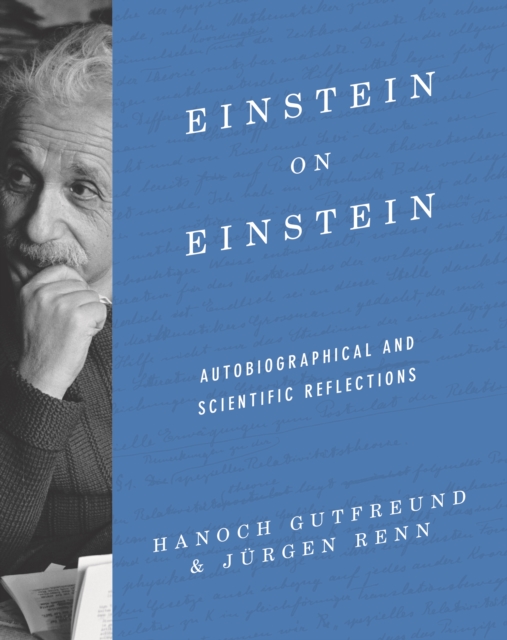
New perspectives on the iconic physicist's scientific and philosophical formationAt the end of World War II, Albert Einstein was invited to write his intellectual autobiography for the Library of Living Philosophers.
Esta obra literaria es una recopilación de contenidos metodológicos y estadísticos, fundamental, por ser accesible al lector sin experiencia previa en la materia, por su contenido amplio, ágil y con fundamentos sólidos, llenando un vacío en textos básicos, en investigación científica.
Tradicionalmente se han pensado las metáforas como un recurso propio de la literatura con funciones estéticas o retóricas, es decir, de embellecimiento o persuasión.
¿Por qué hemos de admirar una razón y una práctica que nos ha empujado a la desesperación de no ser el centro del universo, a saber que en nuestro propio ser está inscripta la marca de un ínfimo origen; que nos ha llevado a comprender lo insignificante, en relación con la antigüedad de la vida, de nuestra presencia en la Tierra y a tener la certeza –tiempo más, tiempo menos– de nuestra extinción?
A través de una serie de cortos capítulos ilustrados, Una gloria silenciosa recapitula y presenta los aportes a las ciencias experimentales con significación universal efectuados en nuestro país.
"Un gobierno latinoamericano puede lanzar a su maquinaria diplomática al rescate de un militar acusado de torturador o genocida, que de pronto es atrapado en una visita cándida a Europa, o fletar un avión para regresarlo a su patria, pero no hace absolutamente nada para repatriar (y emplear) a miles de sus científicos exiliados en el Primer Mundo.
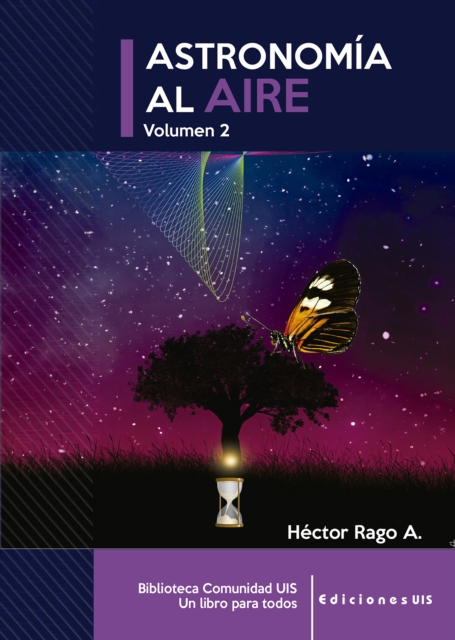
Esta serie de entregas de Astronomía de Bolsillo, incluida en la Colección Biblioteca Comunidad UIS: Un libro para todos, es una iniciativa de la Escuela de Física de la Universidad Industrial de Santander para divulgar la Astronomía y la Astrofísica como complemento impreso al proyecto de convergencia de medios (microprogramas radiales, blog y microblog) transmitidos diariamente por las emisoras UIS retransmitidos a través de varias emisoras asociadas con la Red de Radios Universitarias de Latinoamérica y el Caribe, RRULAC.
Cosechando investigadores es la primera cosecha de sueños de veintitrés "semilleristas", socializada como resultado del Primer Encuentro de Semilleros de Investigación de la Universidad de La Salle.
Este libro, dirigido no solo a investigadores que trabajan temas relacionados con la filosofía de la educación y la filosofía política, sino también a directivos y profesores de colegios y estudiantes de licenciatura en filosofía y humanidades, se ha estructurado en torno a tres puntos clave: el papel que cumple la filosofía en la educación y cómo los cambios en el sistema educativo están afectando el quehacer de esta disciplina; las didácticas que se necesitan para su enseñanza en Colombia y cómo los cambios en la prueba Saber 11 pueden requerir nuevas pedagogías en los colegios, y la relación entre la filosofía y la llamada lectura crítica.
Several interdisciplinary studies highlight imperfect information as a possible explanation of skill mismatches, which in turn has implications for unemployment and informality rates.
Esta es una aproximación documental al modo en que se transformó la vida económica, social y política de los muiscas en torno al beneficio de la sal en Zipaquirá, Nemocón Tausa, durante el siglo XVI y comienzos del XVII.
Frente a interrogantes profundos, múltiples y complejos de cómo alimentar la ciudad del siglo XXI en un marco de sostenibilidad social y ecológica, las preguntas y las respuestas están todavía en proceso de siembra-germinación, lo que invita a abordarlas en una perspectiva multidisciplinaria.
A lo largo del texto el lector encuentra reflexiones y recomendaciones desprendidas de los análisis, ninguna de las cuales encontrará oposición valida.
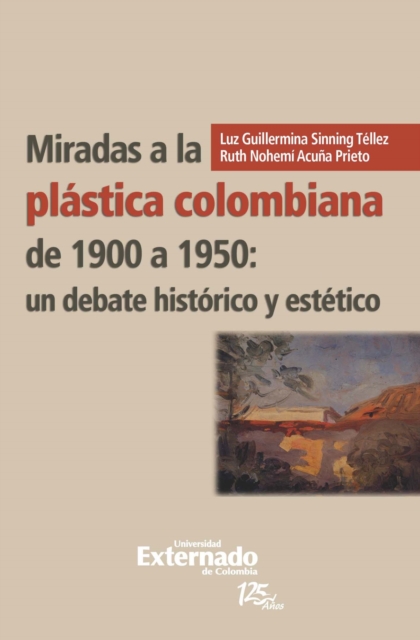
Miradas a la plástica colombiana de 1900 a 1950: un debate histórico y estético hace referencia a los valores culturales que desde los distintos momentos de producción durante cincuenta años de historia artística se generaron; a sus distintas trayectorias y, por ende, miradas con el paso del tiempo suscitadas por la crítica y la historia del arte.
Durante seis años las autoridades revolucionarias de Colombia recibieron vía Londres detallados informes de cuanto acontecía en la España de Fernando VII suscritos por Thomas Farmer, inglés y comerciante de profesión.
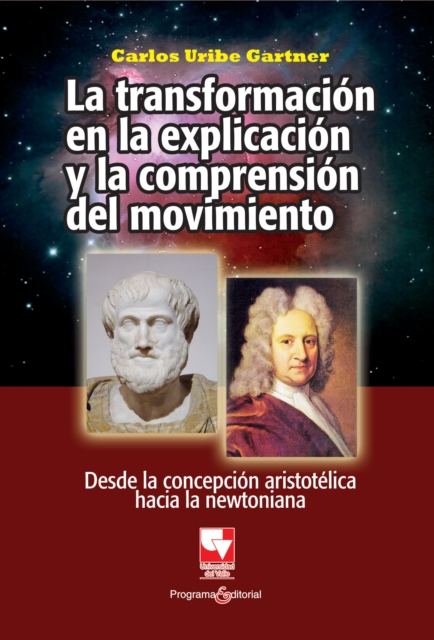
El título del libro, delimita muy bien el sentido de la presente obra y de sus distintas contribuciones: presentar a los amables lectores la manera sui generis y fecunda como se complementan el trabajo científico y la reflexión filosófica en la producción intelectual y creativa de Albert Einstein.
Este libro brinda herramientas para el uso de la HC desde la perspectiva sociocultural que destaca el papel del contexto, el entorno social y la dinámica cultural en la que se consideran los problemas y necesidades inherentes a la actividad científica en la construcción del conocimiento científico, particularmente en el campo de la hidrostática y la neumática, hoy en día conocida como mecánica de fluidos.
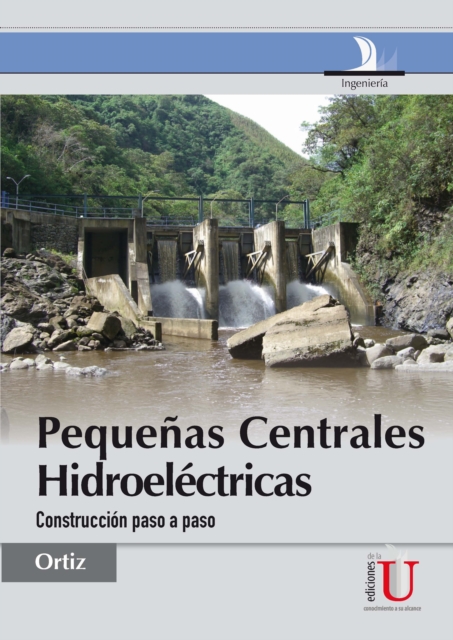
La energía eléctrica a partir su aplicación comercial ha sido un factor determinante para la economía y el desarrollo social; que si bien inicialmente fue utilizada para los sistemas de alumbrado público, posteriormente a la vez que se convirtió en la fuerza motriz que necesitaba la industria y el comercio, también se constituyó como una herramienta necesaria para el comodidad de los hogares.
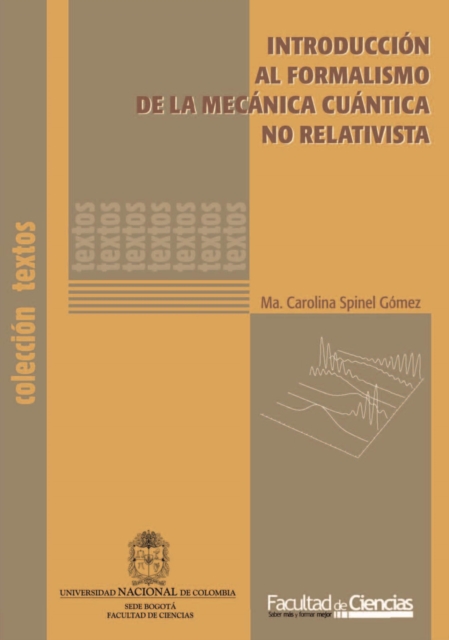
El presente texto es el resultado de más de diez años de experiencia adquirida como profesora del curso de mecánica cuántica de la carrera de física de la Universidad Nacional de Colombia, sede Bogotá.
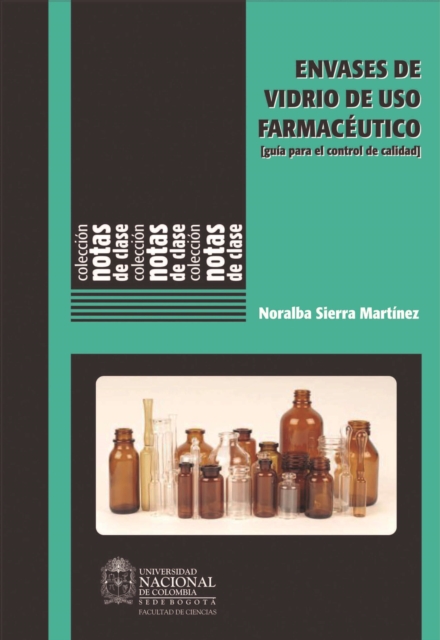
La calidad de un producto es el resultado de una serie de actividades realizadas durante la elaboración del mismo y exige el cumplimiento de unos requisitos básicos entre los que se encuentran: instalaciones adecuadas, personal capacitado y procedimientos aprobados.