From Michael Brooks, host of The Michael Brooks Show and co-host of the Majority Report, comes the first book to directly respond to the Intellectual Dark Web and Jordan Peterson.
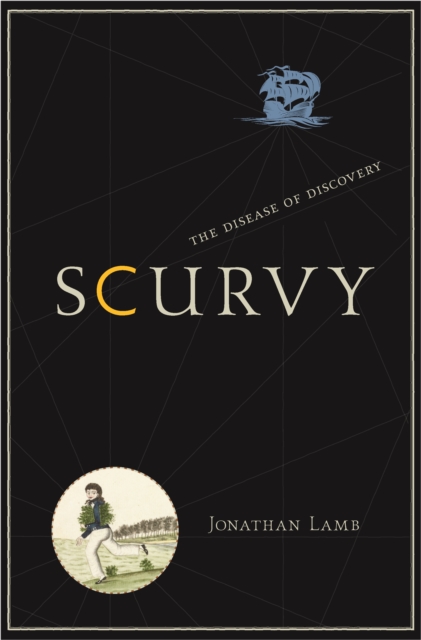
An intellectual history of scurvy in the eighteenth centuryScurvy, a disease often associated with long stretches of maritime travel, generated sensations exceeding the standard of what was normal.
Nobel Prize-winning physicist Roger Penrose questions some of the most fashionable ideas in physics today, including string theoryWhat can fashionable ideas, blind faith, or pure fantasy possibly have to do with the scientific quest to understand the universe?
The explosive debate that transformed our views about time and scientific truthOn April 6, 1922, in Paris, Albert Einstein and Henri Bergson publicly debated the nature of time.
***RECOMMENDED AS ONE OF THE TIMES' BEST SCIENCE BOOKS OF 2021'With all the talk about testosterone in sex, sports and politics, we need a good explanation of the science and its implications, and this one is outstanding.
From your dividing cells to your beating heart, this book takes a comprehensive look at the human body and reveals the extraordinary way your anatomy and physiology intertwine.
Foreword by Professor John Wass, Professor of Endocrinology at Oxford UniversityDid you know that you have thousands, perhaps millions, of hormones in your bloodstream?
Meet Your Bacteria introduces you to all of your tiny tenants, and reveals the fascinating inner workings of your body, and the importance of these usually helpful (but sometimes harmful) microbes.
From the earliest-known elements to those named in 2016, this book takes a comprehensive look at the development of the periodic table - and reveals untold stories, unsung pioneers and plenty of fascinating science along the way.
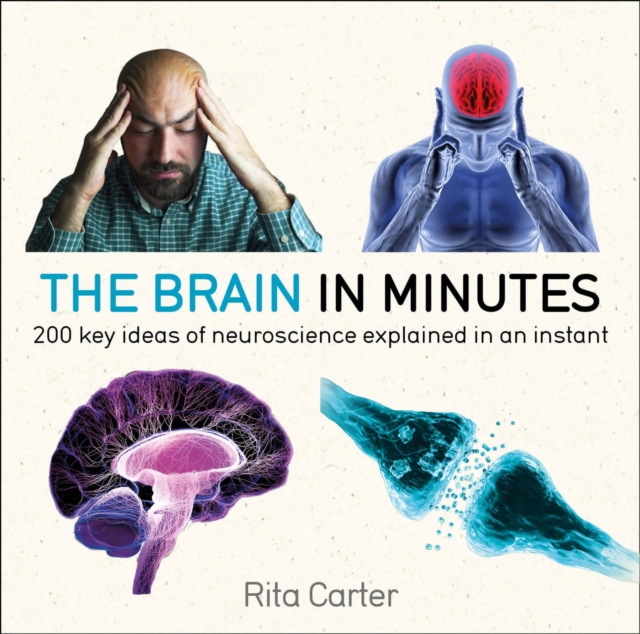
For so long, the brain was the great unknown of human biology; an evolved complex of cells, chemicals and electricity, which eluded even the understanding of its own grey matter.
In this stunningly original book, Richard Wrangham argues that it was cooking that caused the extraordinary transformation of our ancestors from apelike beings to Homo erectus.
How animals conceive of death and dyingand what it can teach us about our own relationships with mortalityWhen the opossum feels threatened, she becomes paralyzed.
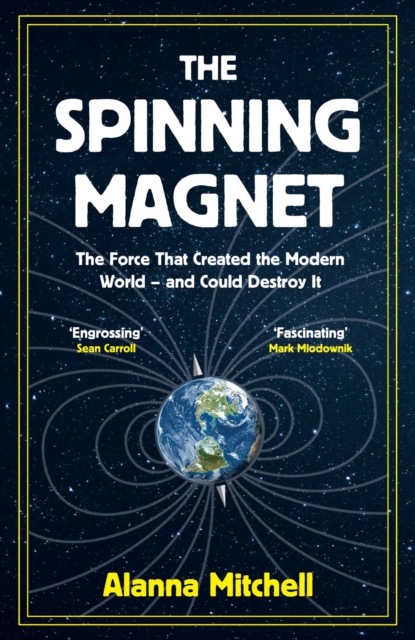
Many times through deep history Earth's magnetic poles have switched places, leaving our planet's protective shield weaker and life vulnerable to devastating solar storms.
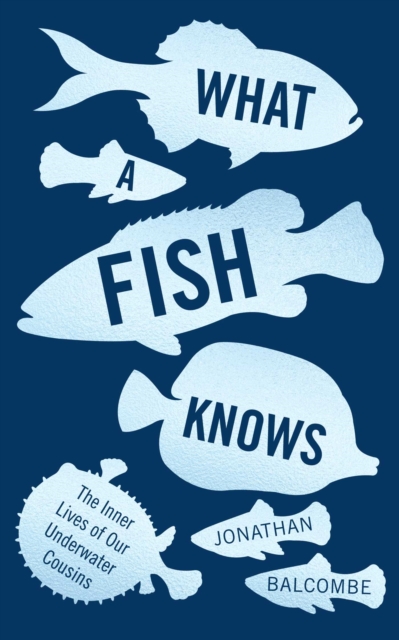
AS FEATURED IN SEASPIRACY An Observer Book of the Year 2017 A Sunday Times must read A New York Times Bestseller Endorsed by His Holiness the Dalai Lama ';Balcombe vividly shows that fish have feelings and deserve consideration and protection like other sentient beings' What's the truth behind the old adage that goldfish have a three-second memory?
Man has revealed much about the properties of this universe in which he lives, and he will continue to reveal it out of instinctive curiosity, but there is no doubt that much about the properties of this universe will remain beyond his ability to reveal.
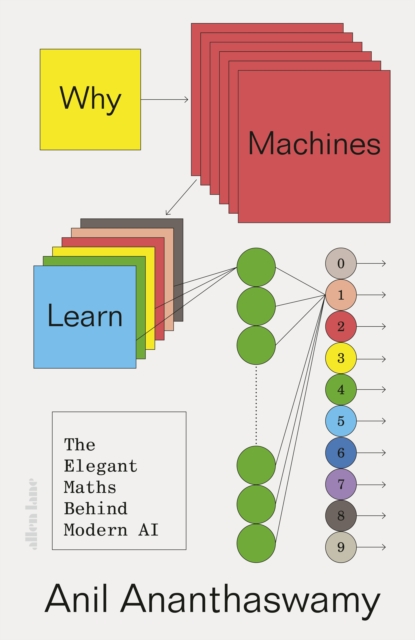
'An invaluable companion for anyone who wants a deep understanding of what s under the hood of often inscrutable machines' Melanie Mitchell A rich, narrative explanation of the mathematics that has brought us machine learning and the ongoing explosion of artificial intelligenceMachine-learning systems are making life-altering decisions for us: approving mortgage loans, determining whether a tumour is cancerous, or deciding whether someone gets bail.
Oft schon totgesagt, erweist sich die "Frankfurter Schule" als erstaunlich überlebensfähig, ja es gibt Anzeichen dafür, dass sie gerade von einer jungen Generation neu rezipiert und fortgesetzt wird.
THE NEW YORK TIMES BESTSELLERIn addition to natural wear and tear that our bodies experience, environmental toxins accumulate in our cells, accelerating the signs of aging.
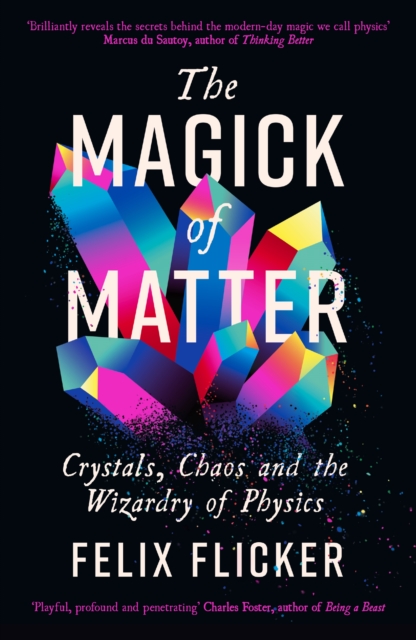
As heard on BBC Radio 4 Start The Week'Felix Flicker brilliantly reveals the secrets behind the modern-day magic we call physics' Marcus du SautoyImagine you had a crystal that lit upon your command: magic must be at work, and you must surely be a wizard.