John Servos explains the emergence of physical chemistry in America by presenting a series of lively portraits of such pivotal figures as Wilhelm Ostwald, A.
Between 1945 and 1953, while the Soviet Union confronted postwar reconstruction and Cold War crises, its unchallenged leader Joseph Stalin carved out time to study scientific disputes and dictate academic solutions.
The story of one of the greatest unsolved problems in mathematicsWhat is the shortest possible route for a traveling salesman seeking to visit each city on a list exactly once and return to his city of origin?
The mathematics behind some of the world's most amazing card tricksMagical Mathematics reveals the secrets of fun-to-perform card tricks-and the profound mathematical ideas behind them-that will astound even the most accomplished magician.
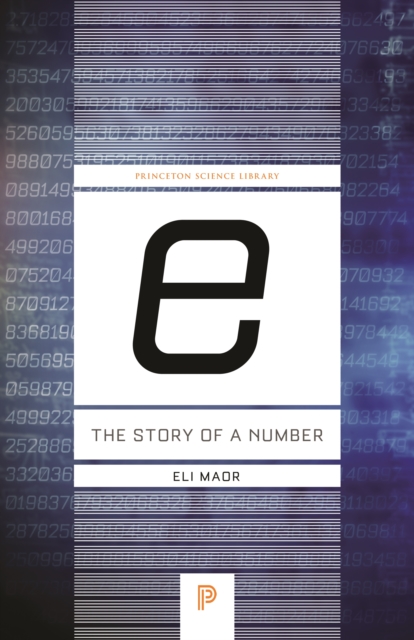
In the mid-eighteenth century, Swiss-born mathematician Leonhard Euler developed a formula so innovative and complex that it continues to inspire research, discussion, and even the occasional limerick.
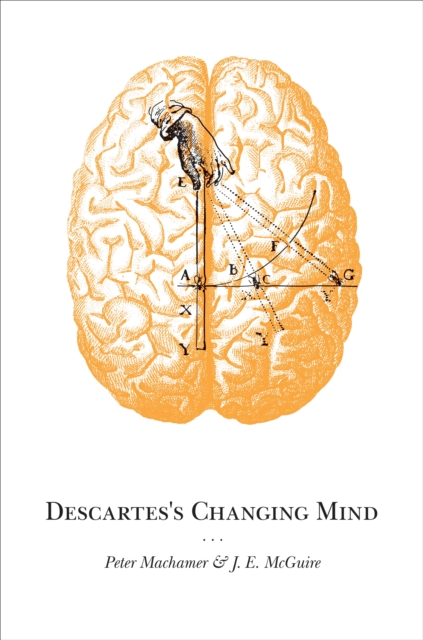
Though it did not yet exist as a discrete field of scientific inquiry, biology was at the heart of many of the most important debates in seventeenth-century philosophy.
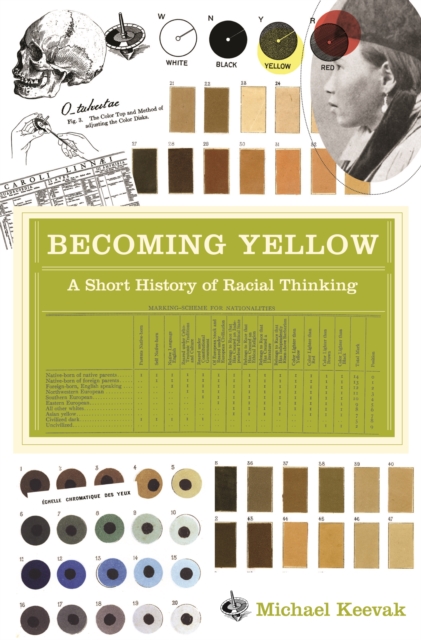
The story of how East Asians became "e;yellow"e; in the Western imagination-and what it reveals about the problematic history of racial thinkingIn their earliest encounters with Asia, Europeans almost uniformly characterized the people of China and Japan as white.
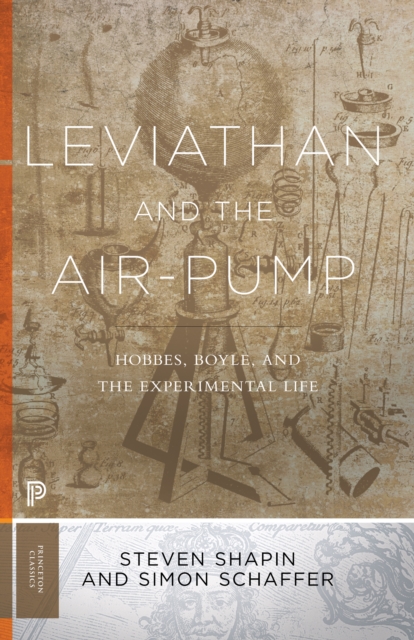
Leviathan and the Air-Pump examines the conflicts over the value and propriety of experimental methods between two major seventeenth-century thinkers: Thomas Hobbes, author of the political treatise Leviathan and vehement critic of systematic experimentation in natural philosophy, and Robert Boyle, mechanical philosopher and owner of the newly invented air-pump.
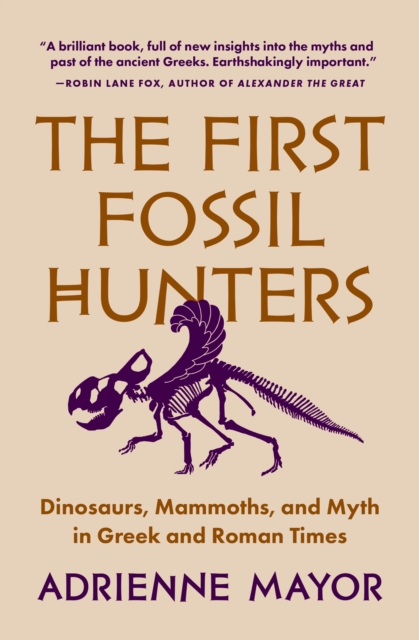
The fascinating story of how the fossils of dinosaurs, mammoths, and other extinct animals influenced some of the most spectacular creatures of classical mythologyGriffins, Centaurs, Cyclopes, and Giants-these fabulous creatures of classical mythology continue to live in the modern imagination through the vivid accounts that have come down to us from the ancient Greeks and Romans.
The case for a thoughtful secularism from some of today's most distinguished scientists, philosophers, and writersCan secularism offer us moral, aesthetic, and spiritual satisfaction?
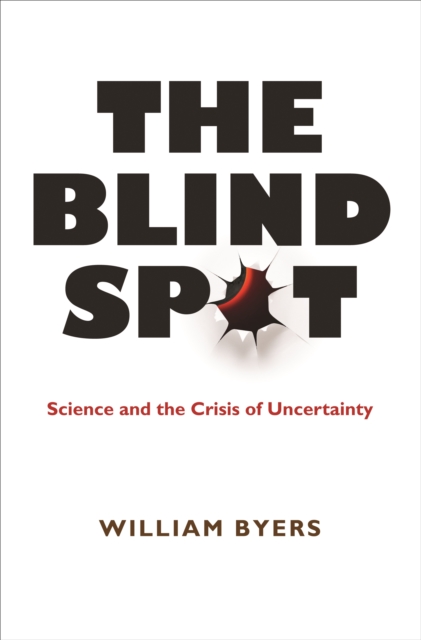
Why absolute certainty is impossible in scienceIn today's unpredictable and chaotic world, we look to science to provide certainty and answers-and often blame it when things go wrong.
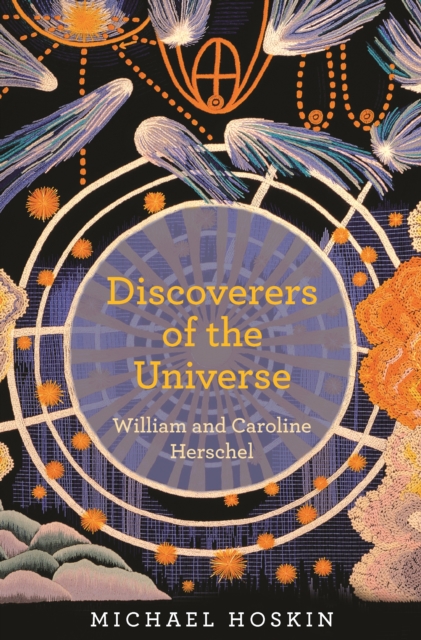
A biography of the brother and sister who helped found modern astronomyDiscoverers of the Universe tells the gripping story of William Herschel, the brilliant, fiercely ambitious, emotionally complex musician and composer who became court astronomer to Britain's King George III, and of William's sister, Caroline, who assisted him in his observations of the night sky and became an accomplished astronomer in her own right.
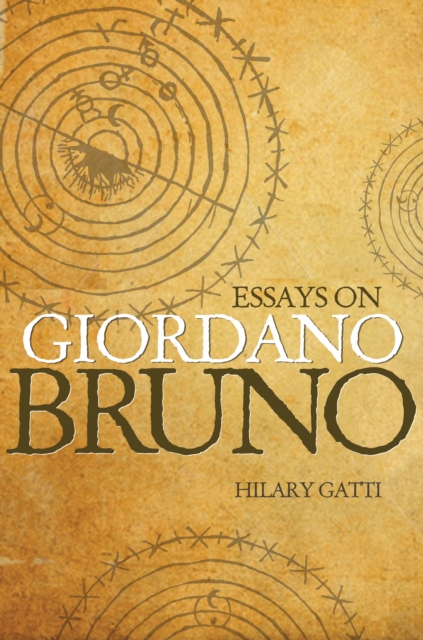
This book gathers wide-ranging essays on the Italian Renaissance philosopher and cosmologist Giordano Bruno by one of the world's leading authorities on his work and life.
In Enhancing Evolution, leading bioethicist John Harris dismantles objections to genetic engineering, stem-cell research, designer babies, and cloning and makes an ethical case for biotechnology that is both forthright and rigorous.
How can America's information technology (IT) industry predict serious labor shortages while at the same time laying off tens of thousands of employees annually?
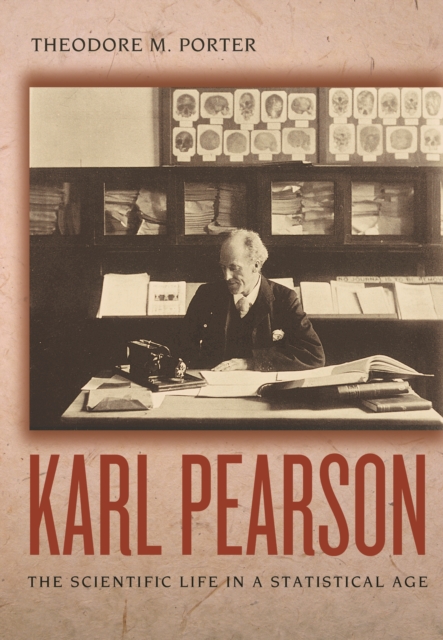
Karl Pearson, founder of modern statistics, came to this field by way of passionate early studies of philosophy and cultural history as well as ether physics and graphical geometry.
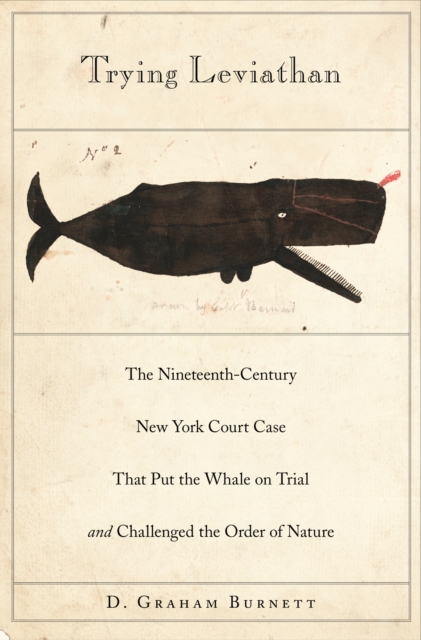
In Moby-Dick, Ishmael declares, "e;Be it known that, waiving all argument, I take the good old fashioned ground that a whale is a fish, and call upon holy Jonah to back me.
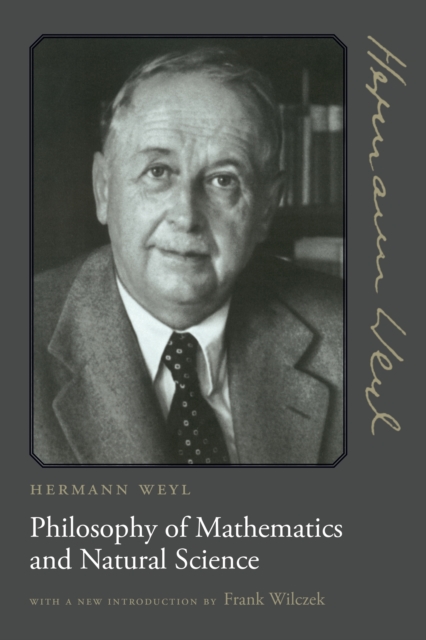
When mathematician Hermann Weyl decided to write a book on philosophy, he faced what he referred to as "e;conflicts of conscience"e;--the objective nature of science, he felt, did not mesh easily with the incredulous, uncertain nature of philosophy.
This overview of the leading locomotive producers in the United States during the twentieth century shows how they responded to a radical technological change: the replacement of steam locomotives by diesels.
Technology, perhaps the most salient feature of our time, affects everything from jobs to international law yet ranks among the most unpredictable facets of human life.
As far back as we know, there have been individuals incapacitated by memories that have filled them with sadness and remorse, fright and horror, or a sense of irreparable loss.
Although it is customary to credit Freud's self-analysis, it may be more accurate, Alexander Welsh argues, to say that psychoanalysis began when The Interpretation of Dreams was published in the last weeks of the nineteenth century.
A richly illustrated and up-close look at the secret lives of spiders and other arachnidsThe American Southwest is home to an extraordinary diversity of arachnids, from spitting spiders that squirt silk over their prey to scorpions that court one another with kissing and dancing.
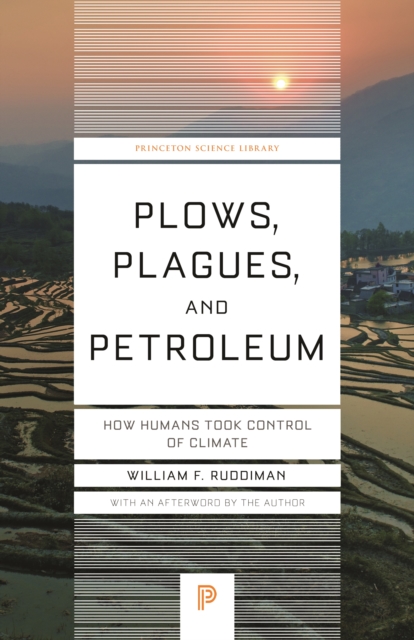
The impact on climate from 200 years of industrial development is an everyday fact of life, but did humankind's active involvement in climate change really begin with the industrial revolution, as commonly believed?
Faced with climate changes, pest pressure on plants is increasing and new pest complexes are appearing, for which plant protection solutions are not yet available.
Faced with climate changes, pest pressure on plants is increasing and new pest complexes are appearing, for which plant protection solutions are not yet available.
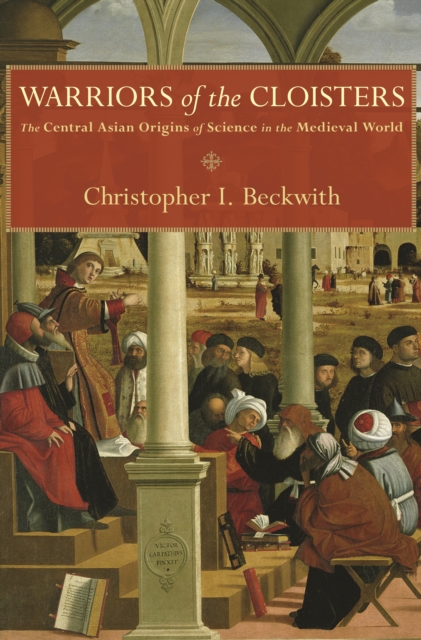
How science in medieval Europe originated in Buddhist AsiaWarriors of the Cloisters tells how key cultural innovations from Central Asia revolutionized medieval Europe and gave rise to the culture of science in the West.
A biography of the brother and sister who helped found modern astronomyDiscoverers of the Universe tells the gripping story of William Herschel, the brilliant, fiercely ambitious, emotionally complex musician and composer who became court astronomer to Britain's King George III, and of William's sister, Caroline, who assisted him in his observations of the night sky and became an accomplished astronomer in her own right.
Become body literate with Heart: An Owner's Guide, the next book in The Body Literacy Library, a helpful series that will break down heart health for a new generation of readers.