Computational physics is a rapidly growing subfield of computational science, in large part because computers can solve previously intractable problems or simulate natural processes that do not have analytic solutions.
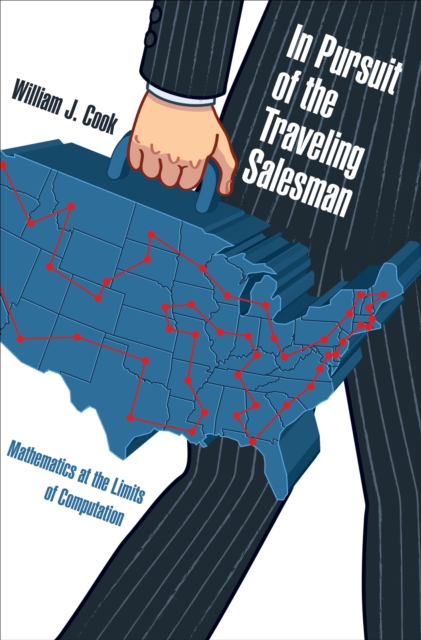
This book presents the latest findings on one of the most intensely investigated subjects in computational mathematics--the traveling salesman problem.
Opticsa field of physics focusing on the study of lightis also central to many areas of biology, including vision, ecology, botany, animal behavior, neurobiology, and molecular biology.
The story of one of the greatest unsolved problems in mathematicsWhat is the shortest possible route for a traveling salesman seeking to visit each city on a list exactly once and return to his city of origin?
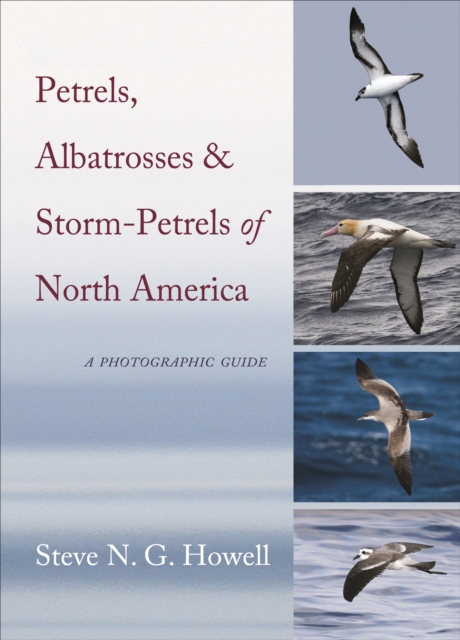
A complete illustrated guide to these enigmatic seabirdsPetrels, albatrosses, and storm-petrels are among the most beautiful yet least known of all the world's birds, living their lives at sea far from the sight of most people.
More stimulating mathematics puzzles from bestselling author Paul NahinHow do technicians repair broken communications cables at the bottom of the ocean without actually seeing them?
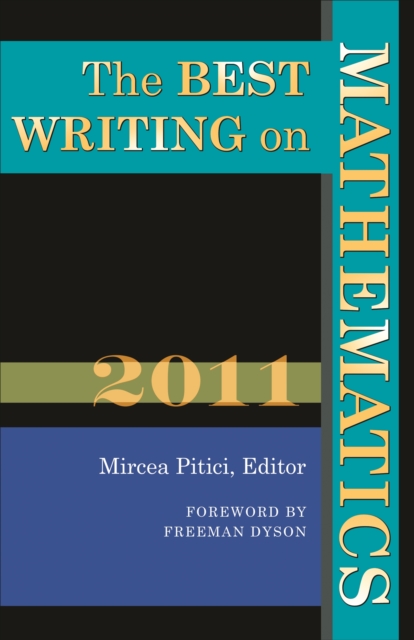
The year's finest writing on mathematics from around the worldThis anthology brings together the year's finest mathematics writing from around the world.
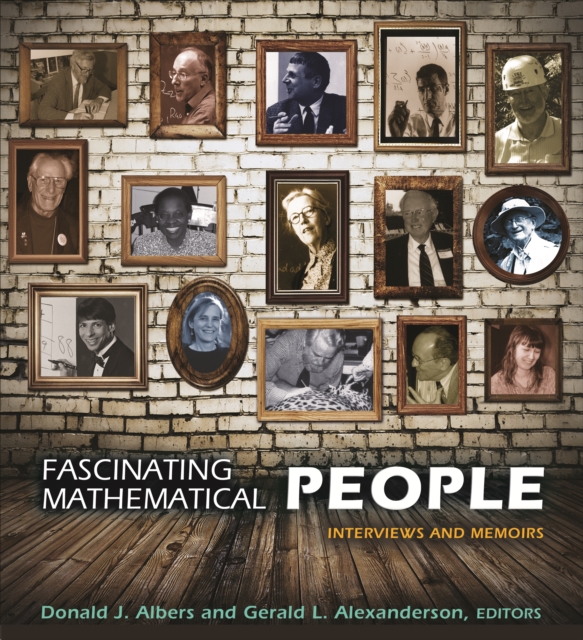
Top mathematicians talk about their work and livesFascinating Mathematical People is a collection of informal interviews and memoirs of sixteen prominent members of the mathematical community of the twentieth century, many still active.
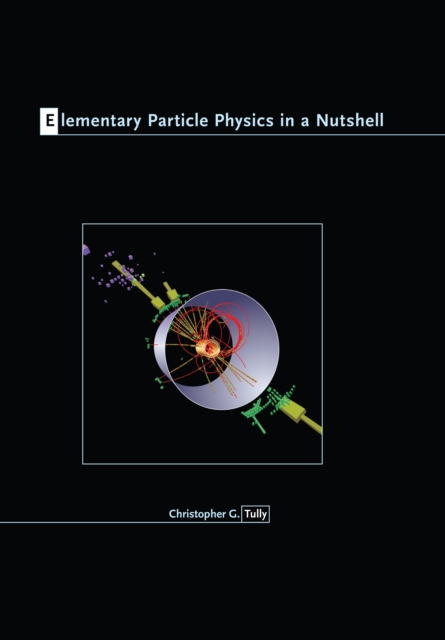
An introduction to high-energy physics that prepares students to understand the experimental frontierThe new experiments underway at the Large Hadron Collider at CERN in Switzerland may significantly change our understanding of elementary particle physics and, indeed, the universe.
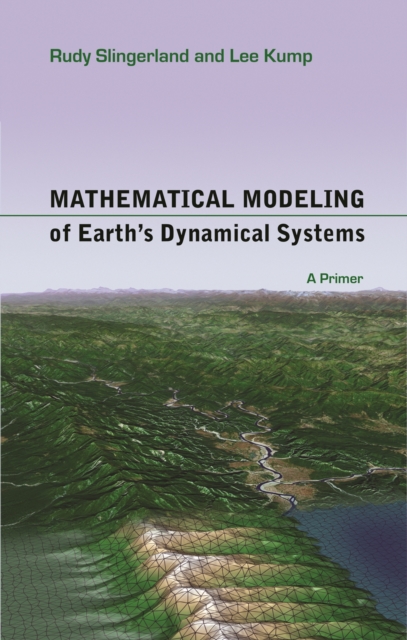
A concise guide to representing complex Earth systems using simple dynamic modelsMathematical Modeling of Earth's Dynamical Systems gives earth scientists the essential skills for translating chemical and physical systems into mathematical and computational models that provide enhanced insight into Earth's processes.
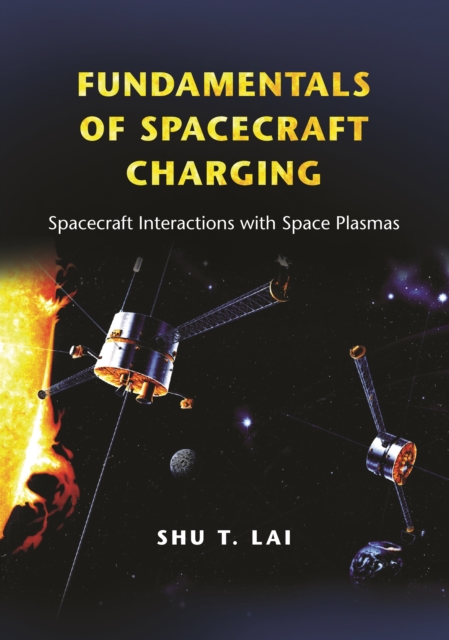
As commercial and military spacecraft become more important to the world's economy and defense, and as new scientific and exploratory missions are launched into space, the need for a single comprehensive resource on spacecraft charging becomes increasingly critical.
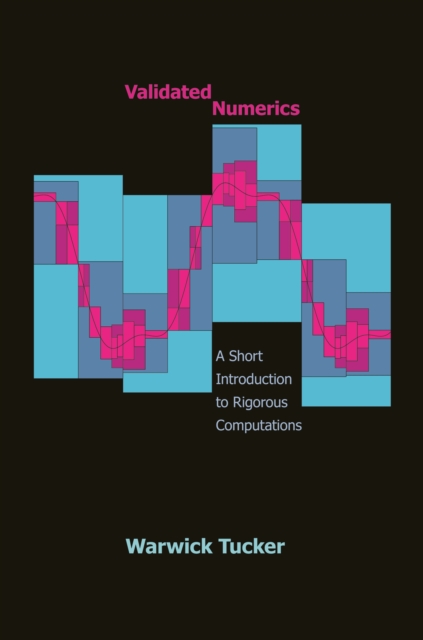
A comprehensive, self-contained primer on validated numericsThis textbook provides a comprehensive introduction to the theory and practice of validated numerics, an emerging new field that combines the strengths of scientific computing and pure mathematics.
A comprehensive introduction to tropical ecologyThis full-color illustrated textbook offers the first comprehensive introduction to all major aspects of tropical ecology.
Pollination and Floral Ecology is the most comprehensive single-volume reference to all aspects of pollination biology--and the first fully up-to-date resource of its kind to appear in decades.
Phase transitions--changes between different states of organization in a complex system--have long helped to explain physics concepts, such as why water freezes into a solid or boils to become a gas.
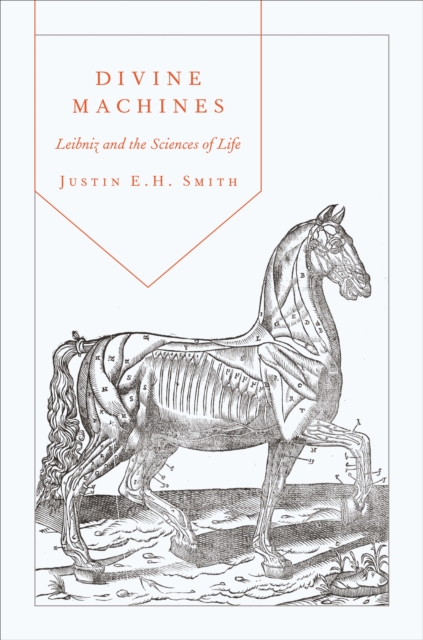
Though it did not yet exist as a discrete field of scientific inquiry, biology was at the heart of many of the most important debates in seventeenth-century philosophy.
In the mid-eighteenth century, Swiss-born mathematician Leonhard Euler developed a formula so innovative and complex that it continues to inspire research, discussion, and even the occasional limerick.
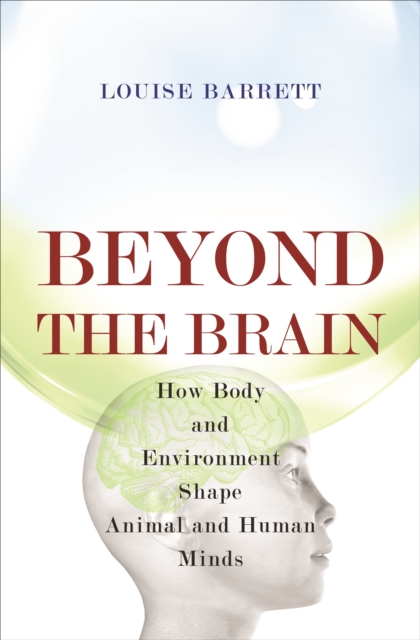
A new approach to understanding animal and human cognitionWhen a chimpanzee stockpiles rocks as weapons or when a frog sends out mating calls, we might easily assume these animals know their own motivations--that they use the same psychological mechanisms that we do.
An illustrated guide to how birds design and build their nestsBirds are the most consistently inventive builders, and their nests set the bar for functional design in nature.
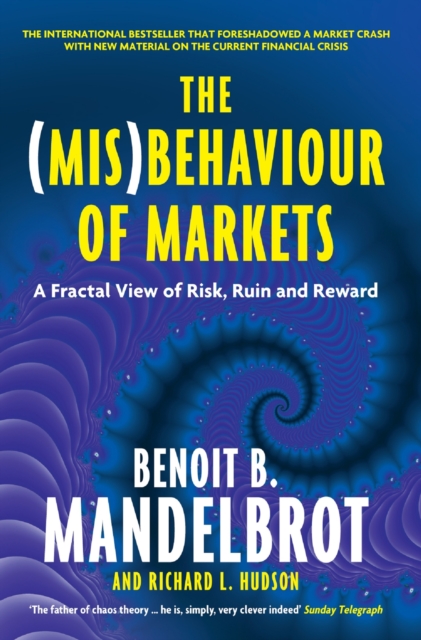
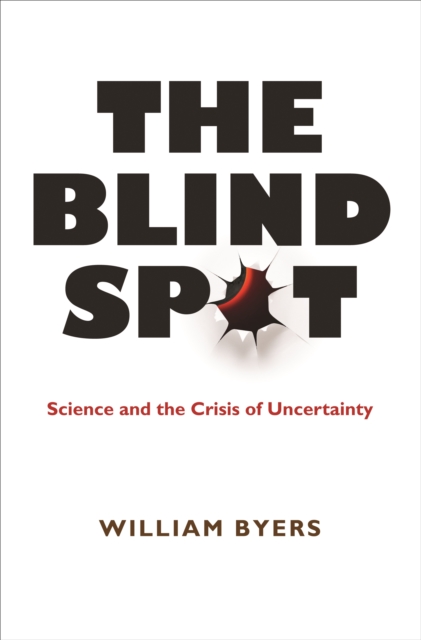
Why absolute certainty is impossible in scienceIn today's unpredictable and chaotic world, we look to science to provide certainty and answers-and often blame it when things go wrong.
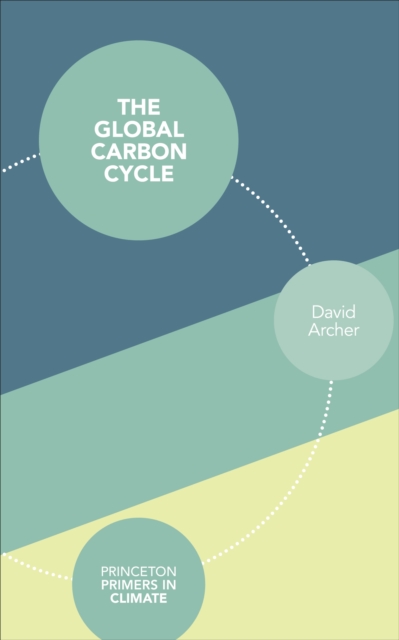
A must-have introduction to this fundamental driver of the climate systemThe Global Carbon Cycle is a short introduction to this essential geochemical driver of the Earth's climate system, written by one of the world's leading climate-science experts.
This book presents a comprehensive overview of the sum rule approach to spectral analysis of orthogonal polynomials, which derives from Gabor Szego's classic 1915 theorem and its 1920 extension.
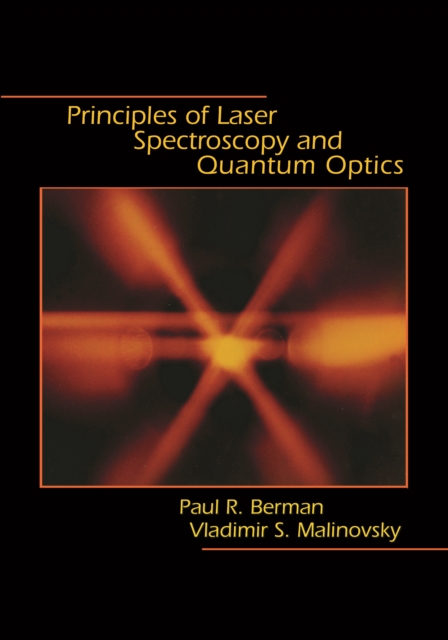
Principles of Laser Spectroscopy and Quantum Optics is an essential textbook for graduate students studying the interaction of optical fields with atoms.
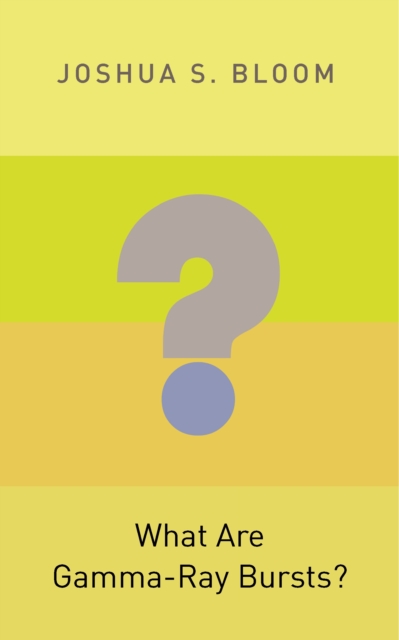
A brief, cutting-edge introduction to the brightest cosmic phenomena known to scienceGamma-ray bursts are the brightest-and, until recently, among the least understood-cosmic events in the universe.
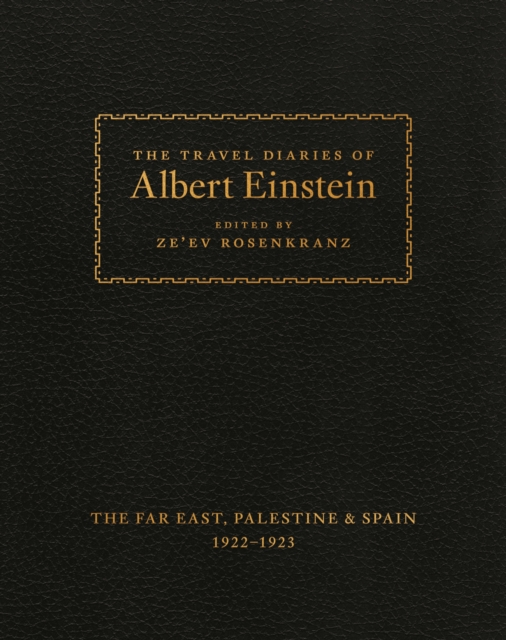
The first publication of Albert Einstein's travel diary to the Far East and Middle EastIn the fall of 1922, Albert Einstein, along with his then-wife, Elsa Einstein, embarked on a five-and-a-half-month voyage to the Far East and Middle East, regions that the renowned physicist had never visited before.
In Enhancing Evolution, leading bioethicist John Harris dismantles objections to genetic engineering, stem-cell research, designer babies, and cloning and makes an ethical case for biotechnology that is both forthright and rigorous.
The world's parrots in one convenient field guideFrom the macaws of South America to the cockatoos of Australia, parrots are among the most beautiful and exotic birds in the world-and among the most endangered.
How can America's information technology (IT) industry predict serious labor shortages while at the same time laying off tens of thousands of employees annually?
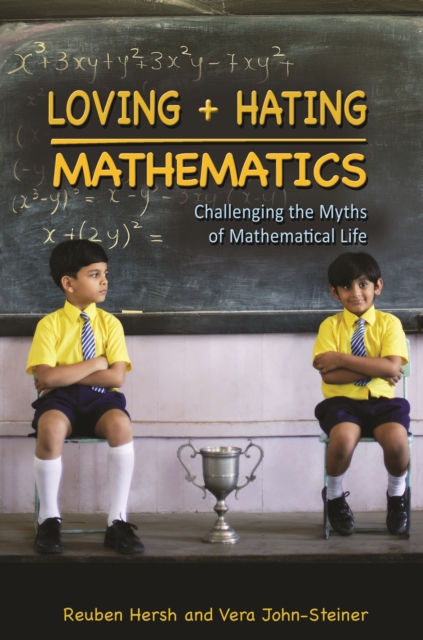
An exploration of the hidden human, emotional, and social dimensions of mathematicsMathematics is often thought of as the coldest expression of pure reason.
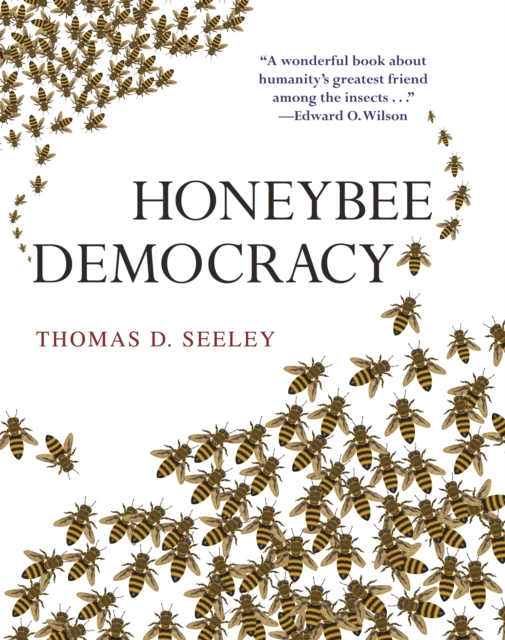
How honeybees make collective decisions-and what we can learn from this amazing democratic processHoneybees make decisions collectively-and democratically.
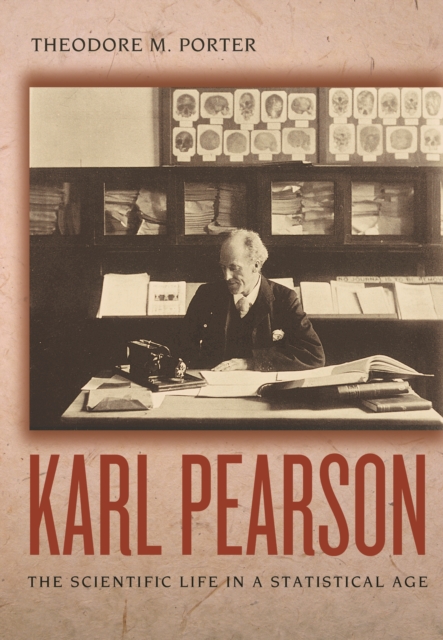
Karl Pearson, founder of modern statistics, came to this field by way of passionate early studies of philosophy and cultural history as well as ether physics and graphical geometry.
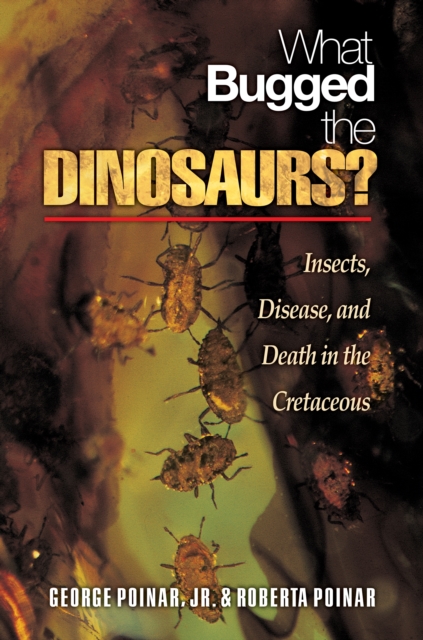
Millions of years ago in the Cretaceous period, the mighty Tyrannosaurus rex--with its dagger-like teeth for tearing its prey to ribbons--was undoubtedly the fiercest carnivore to roam the Earth.
The@ first graduate-level textbook to focus on fundamental aspects of numerical methods for stochastic computations, this book describes the class of numerical methods based on generalized polynomial chaos (gPC).