Nitric Oxide Donors: Biomedical Applications and Perspectives presents the current state of art, challenges and innovations in the design of therapeutics nitric oxide donors with great impact in several aspects of human physiology and pathophysiology.
A comprehensive textbook spanning the entire scope of cardiovascular and pulmonary practiceIncludes CD-ROM with interactive case studiesCardiovascular and Pulmonary Physical Therapy reflects the broadest possible spectrum of cardiovascular and pulmonary practice and draws upon the expertise of more than two dozen internationally recognized contributors.
Strain imaging (also known as speckle-tracking echocardiography or STE) is a rapidly growing, affordable, and versatile cardiac imaging technology of great interest to clinicians in both inpatient and outpatient settings.
A COMPREHENSIVE REVIEW OF ECHOCARDIOGRAPHIC IMAGING ENHANCED BY HUNDREDS OF ONLINE ANIMATIONS VIEWABLE ON YOUR MOBILE DEVICEEIGHTEEN CHAPTERS COVERS EVERY IMPORTANT CARDIAC DISEASE AND ABNORMALITYEchocardiographic imaging has become essential to the proper diagnosis of every type of cardiac disease and disorder, and there is no more efficient or innovative way to learn the proper use of cardiac ultrasound in clinical practice than Practical Bedside Echocardiography Cases.
Hands-on guidance for managing pediatric patients with congenital and acquired heart diseaseFULL-COLOR ILLUSTRATIONSPart of the Pediatric Practice series, Pediatric Practice: Cardiology is filled with practical, clinically relevant guidance for the diagnosis and treatment of cardiac conditions in children.
Publisher's Note: Products purchased from Third Party sellers are not guaranteed by the publisher for quality, authenticity, or access to any online entitlements included with the product.
Cardiorenal syndrome - the presence of significant renal insufficiency and heart failure simultaneously - constitutes one of the most vexing and difficult challenges facing clinicians and researchers today.
Manual of Coronary Chronic Total Occlusion Interventions: A Step-by-Step Approach, Second Edition, is an easy to read reference for coronary chronic total occlusion interventions (CTO).
Covering the full range of diagnosis and treatment for valvular heart disease, this award-winning reference provides the information you need for safe and effective practice.
This special volume of the Journal of Elasticity represents the first in a new p- gram dedicated to the occasional publication of collections of invited, reviewed papers of topical interest.
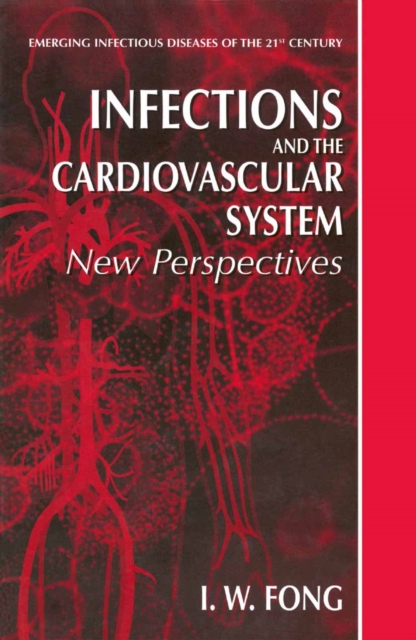
In the closing decade of the last century, we saw warnings that infectious diseases will require much more attention from patients and physicians in the 21 st century.
The electrocardiogram (ECG) remains the most accessible and inexpensive diagnostic tool to evaluate the patient presenting with symptoms suggestive of acute myocardial ischemia.
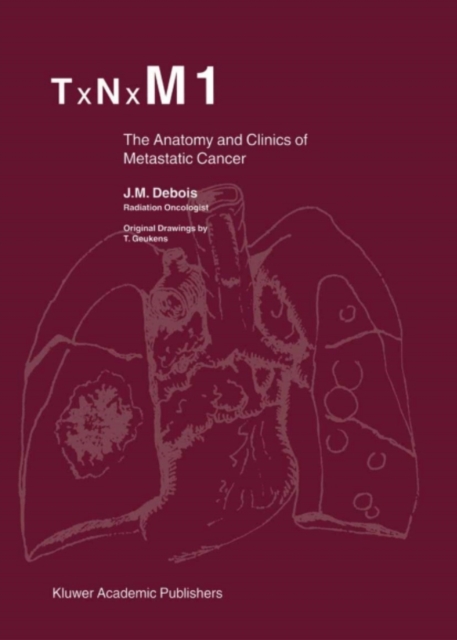
Although distant metastases are the most dreaded situation in the evolution of cancer of every organ, the medical literature has surprisingly given little attention to the anatomical relationship between the primary tumor and metastasic sites.
Proceedings of Session VII of the Tenth International Symposium on Chromaffin Cell Biology, held August 25-28, 1999, in Bergen, Norway, and a post-symposium workshop on Chromogranins: from Fundamental Physiology to Clinical Aspects, held August 28, 1999, on board the coastal steamer MS Richard With.
Millions of people-many of them younger than we care to believe-are living in the aftermath of a heart attack, and it is vital for them to learn how to reduce the risk factors for subsequent heart problems.
Metabolic syndrome is a set of risk factors that includes: abdominal obesity, a decreased ability to process glucose (insulin resistance), dyslipidemia (unhealthy lipid levels), and hypertension.
The Psychology of Eating is the essential multidisciplinary introduction to the psychology of eating, looking at the biological, genetic, developmental, and social determinants of how humans find and assimilate food.
Filling a gap in the literature, this all-encompassing reference explores the epidemiology, mechanisms, and pathophysiology of atrial fibrillation and compiles the latest diagnostic and treatment practices for patient care.
This detailed reference provides practical strategies and a scientific foundation for designing and implementing cardiac rehabilitation services to relieve the symptoms of cardiovascular disease patients through exercise training and risk reduction and secondary prevention, improve quality of life, and decrease mortality.
Cardiovascular Magnetic Resonance (CMR) is well established in clinical practice for the diagnosis and management of a wide array of cardiovascular diseases.
New discoveries in genetics, molecular, and cell biology are not only enhancing our understanding of the etiology and progression of disease, but are finding applications in the development of new drugs or the implementation of new kinds of therapy.
While all interventional cardiologists have access to pharmacopeial texts and databases and are aware of the growing number of pharmacological agents in the armamentarium, questions arise as to the ideal agent or combination of agents in differing patient situations.
Starting with patient assessment, the authors explain the physiological basis of all major cardiopulmonary problems before describing the physiotherapy interventions possible - this ensures the reader understands why the problems occur and not just how to treat them.
The Second Edition of Primary Angioplasty provides an update on the rationale, techniques, and effectiveness of direct percutaneous mechanical revascularization for acute myocardial infarction.
Interventional operators generally expect complications when the coronary anatomy is tortuous; however, it is normal anatomy with what appear angiographically as 'regular' lesions that can cause great difficulty and additional morbidity.
Direct from the Cleveland Clinic Foundation, Endovascular Techniques in the Management of Cerebrovascular Disease is intended for neurologists, neurosurgery fellows-in training, and practicing clinicians with an interest in endovascular procedures.
This highly illustrated, well-written and beautifully produced text is aimed at cardiologists and internal medical doctors, whether qualified or in-training, who are not specialized in the field of congenital heart disease, who will, nevertheless, meet these patients more and more often in their daily practice.
Updated to reflect the notable advances in cardiac computed tomography (CT) imaging, the Second Edition of the best-selling Computed Tomography of the Coronary Arteries provides cardiologists and radiologists with a practical text that explains the basic principles and applications of CT.
Carotid Atherosclerotic Disease: Pathologic Basis for Treatment reviews the natural history of carotid atherosclerotic plaque, this volume outlines different pathologic characteristics of asymptomatic and symptomatic carotid plaque.
Appreciation of the importance of platelets and coagulation factors in therothrombotic events has led to the widespread use and continuous development of new antithrombotic agents.
This fourth edition of this bestselling volume features expanded discussions on the increasing importance of managing hyperlipidemia, diagnosing and treating coronary artery disease in women and the elderly, and managing chest pain in the presence of normal coronary arteries.
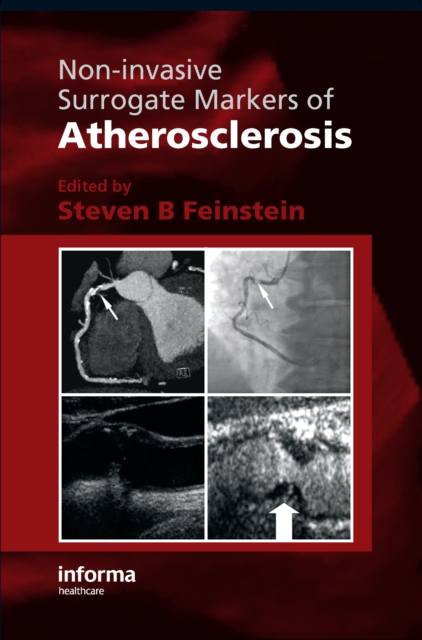
Non-Invasive Surrogate Markers of Atherosclerosis details the scientific and clinical support for using non-invasive imaging modalities to evaluate the presence of surrogate markers of atherosclerosis, in conjunction with traditional methods of diagnosing cardiovascular disease.
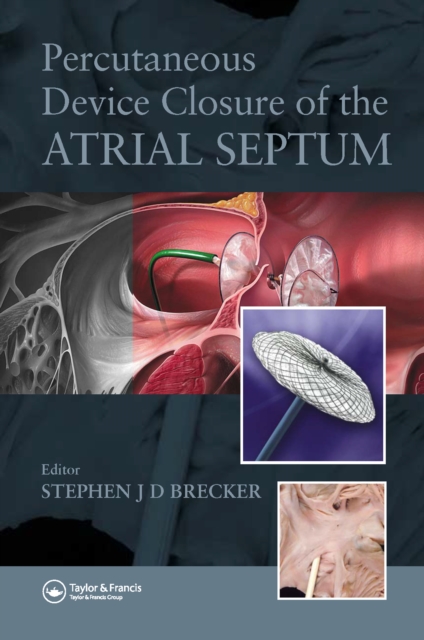
The field of device closure of defects of the inter-atrial septum has expanded rapidly over the past ten years, and it is likely that there will be a further sharp increase in numbers of procedures being performed in the near future.
Coronary stenting is the most commonly used method of myocardial revascularization, with approximately 2 million stents implanted in 2004 throughout the world.