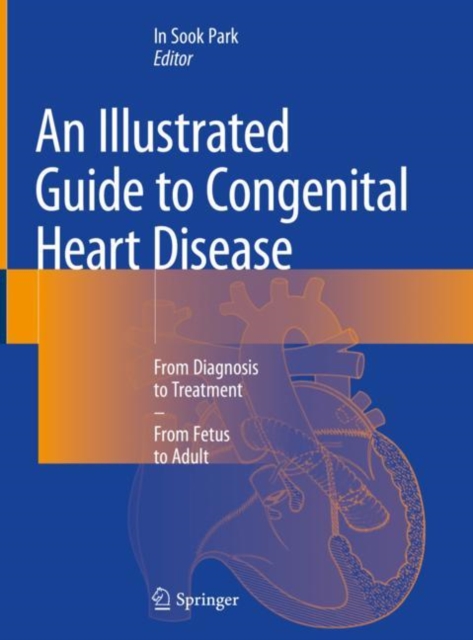
This book combines an exceptional wealth of precise, exquisite schematic drawings and high-quality images with clear explanatory text in order to provide readers with a crisp and clear understanding of all aspects of congenital heart disease, from diagnosis to treatment and from the fetus to the adult.
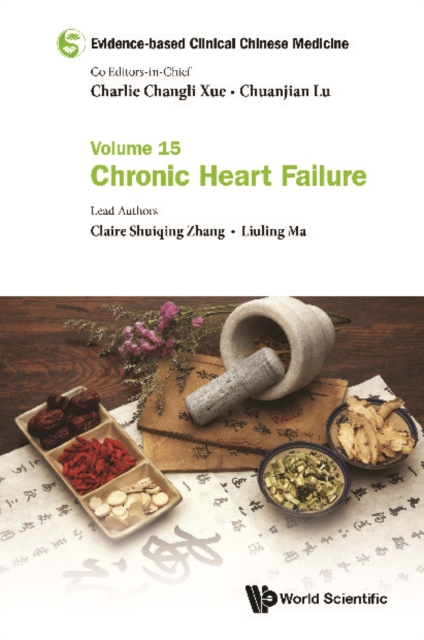
The fifteenth volume of the Evidence-based Clinical Chinese Medicine series examines the management of chronic heart failure with Chinese medicine using a 'whole evidence' approach.
This book analyzes the internal and external causes of acquired and familiar venous thrombosis and proposes the origins and onset of venous thrombus diseases and their triggering factors.
Omega-3 fatty acids can limit the inflammation that is the underlying cause of many severe diseases of modern civilization, including diabetes and cardiovascular disease.
Omega-3 fatty acids can limit the inflammation that is the underlying cause of many severe diseases of modern civilization, including diabetes and cardiovascular disease.
This book provides a state-of-the-art overview of the combined use of imaging modalities to obtain important functional and morphological information on intravascular disease and enhance disease detection.
This book equips readers with the knowledge required in order to successfully treat coronary chronic total occlusion by means of percutaneous coronary interventions.
This volume is an excellent guide that comprehensively illustrates hypertensive disorders of pregnancy, especially preeclampsia, in both the basic and clinical aspects.
This book provides a concise yet comprehensive review of the morphological, biochemical, electrical, mechanical, and metabolic properties of vascular smooth muscle, the regulation of vascular activities and the intracellular signaling involved.
This book describes the most popular topics concerning adult congenital heart disease (ACHD), especially focusing on indications and re-intervention procedures for some major ACHDs.
A practical, highly illustrative and easy to read reference for interventional cardiologists, vascular surgeons, cardiac/endovascular catheterization laboratory personnel, interventional radiologists, technical staff, industry professionals, investigators, and researchers on peripheral arterial CTO interventions.
This book is intended as a guide for all cardiologists who are interested in coronary imaging and physiology, a sound understanding of which is vital for the optimal performance of appropriate coronary interventions.
Con el objetivo de aportar a la educacion medica continuada de la region, la Universidad Pontificia Bolivariana y la Clinica Cardio VID han decidido publicar el primer libro sobre cardiologia y enfermedades cardiovasculares para abordar problemas de actualidad con la mas alta calidad cientifica, en el que ademas se pueda compartir la experiencia de uno de los centros de atencion cardiovascular y de los posgrados en esta area mas tradicionales de la region y Colombia.
This book outlines the state of the art in transradial intervention and illustrates case-based learning for the transradial access (TR access) technique, especially in complex lesions.
The spectrum of unstable coronary syndromes has been the object of steadily increasing research particularly in respect of novel diagnostic and treatment modalities.
More than half a million people worldwide are now sustained by renal replacement therapy, mainly hemodialysis at a cost exceeding USD 30 billion per year.
As the life expectancy of patients with arterial hypertension increases, hypertension in the elderly is becoming a relevant medical and social problem.
Following systematic development of technical aspects and physiological understanding, and clinical applicability of cardiac autonomic testing, this book provides a detailed guide to performing individual autonomic tests in both research and clinical settings.
Cardiovascular complications are not only responsible for more than half of our patients' mortality, they also represent the bulk of everyday problems in a dialysis unit.
The main aim of this monograph is to provide an overview of calcium regulation in cardiac muscle cells, particularly with respect to excitation-contraction coupling and the control of cardiac contractile force.
Interest in the humane and scientifically justifiable use of research animals has intensified since the publication of the first edition of this textbook.
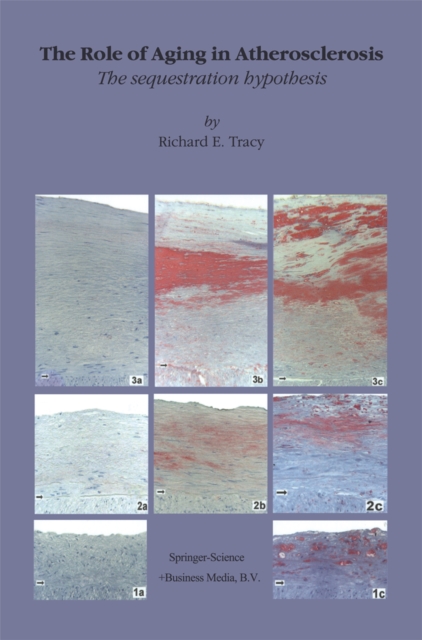
The cover of this book summarizes the central features of the sequestration hypothesis: Commonplace appearances seen in human coronary artery, fat stained in paraffin seetions by a new technique explained in Chapter Eleven, are arranged to suggest pathways of evolution toward atheroma.
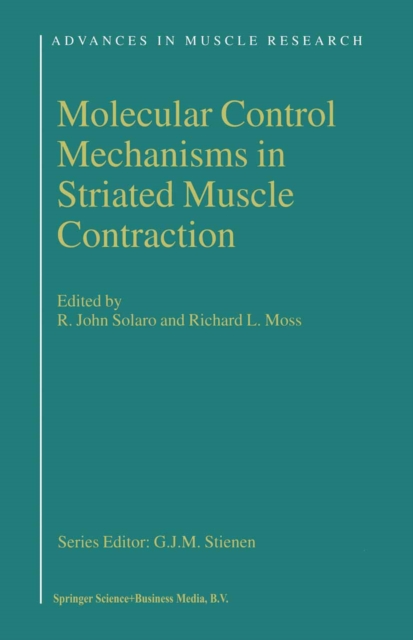
Molecular Control Mechanisms in Striated Muscle Contraction addresses the molecular mechanisms by which contraction of heart and skeletal muscles is regulated, as well as the modulation of these mechanisms by important (patho)physiological variables such as ionic composition of the myoplasm and phosphorylations of contractile and regulatory proteins.
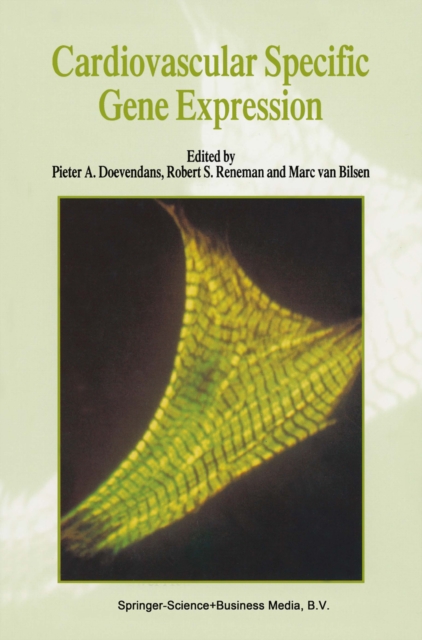
Improving our insights into the genetic predisposition to cardiovascular disease is one of the most important challenges in our field in the next millennium, not only to unravel the cause of disease but also to improve the selection of patients for particular treatments.
Intracoronary ultrasound is a rapidly evolving imaging modality and the increasing number of published studies indicates that the technique is safe and provides incremental and more detailed diagnostic information than coronary angiography.